
https://www.gosh.nhs.uk/news/new-nhs-treatment-available-first-time-patients-rare-neuromuscular-disorder/
New NHS treatment available for first time for patients with a rare neuromuscular disorder
15 May 2019, 12:08 p.m.

Patients at Great Ormond Street Hospital (GOSH) and across the country are to benefit from a new drug on the NHS that targets the underlying cause of spinal muscular atrophy (SMA).The approval of the drug, called Nusinersen or Spinraza, follows successful trials at GOSH and other centres around the world that have shown the drug can slow the effects of SMA in some cases, allowing babies and toddlers to develop stronger muscles and survive for longer without breathing support.
NHS England have negotiated a deal with the drug’s manufacturer Biogen to be able to make the drug widely available.
Professor Francesco Muntoni, a Paediatric Neurologist at Great Ormond Street Hospital, said:
“We are delighted with this long-awaited decision. Great Ormond Street Hospital played a significant role in a highly successful multi-centre global trial which saw striking results where the drug delivered visible improvements in motor and respiratory outcomes of our patients.
“For many children with SMA, this treatment could be the silver bullet, offering children and families affected by this devastating condition, a therapy that could increase their survival when there has otherwise been no other option.”
SMA affects the nerves in the spinal cord, making muscles weaker and causing problems with movement, breathing and swallowing. Where it develops in babies and toddlers, it can significantly reduce life expectancy.
The new funding agreement now paves the way for the treatment to be made available to the youngest and most severely affected (SMA type 1) patients immediately by Biogen. For older babies, children and young adults with less severe symptoms (SMA types 2 and 3), the NHS will begin to provide Nusinursen shortly after NICE’s guidance is published, once the services to deliver them are established.
A new hope for children with Lysine Metabolism Disorders
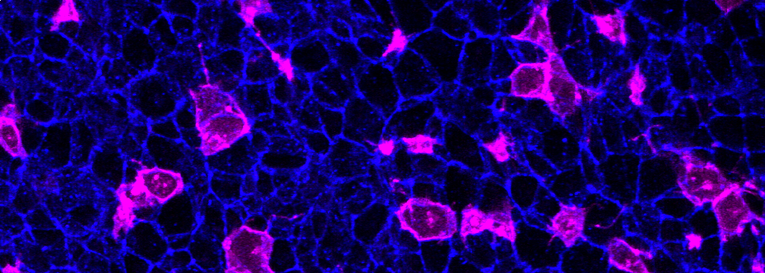
A new study in human cells and mice, led by researchers from GOSH, UCL and NIHR GOSH BRC has shown promising early results for Lysine Metabolism Disorders.
Reducing anxiety through play: How LEGO and Playmobil are helping children at GOSH face treatment with confidence
A nine-year-old patient has become one of the youngest in the UK to choose to forgo anaesthesia for a cardiac catheterisation.

GOSH leading first-of-its-kind agentic AI programme in an NHS hospital, in collaboration with Hyland and Amazon Web Services
GOSH is collaborating with Hyland and Amazon Web Services (AWS) on a first-of-its-kind programme exploring how agentic AI could be safely developed and deployed in healthcare.
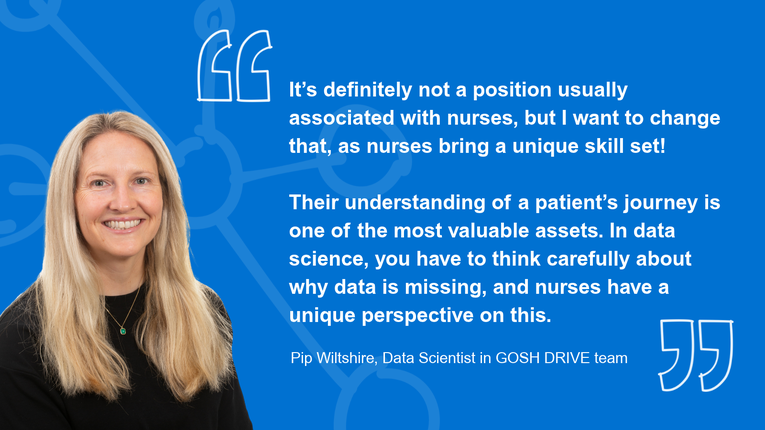
From research nurse to data scientist: The unique contribution nurses can bring to data science and AI
This Q&A with research nurse, turned data scientist Pip highlights why nurses have a unique contribution to make in data science.