https://www.gosh.nhs.uk/news/marking-rare-disease-day-2023/
Marking Rare Disease Day 2023
7 Mar 2023, 11 a.m.

Rare Disease Day is a global event that aims to raise awareness and generate change for those living with rare diseases. At GOSH, many of our patients and families are part of the rare disease community and so this year we were delighted to mark the day with an in-person family event in our hospital canteen – the Lagoon.
Our event gave patients and their families the opportunity to meet staff from across the hospital while taking part in fun activities all aiming to raise awareness of just some of the fantastic research that happens at GOSH. It was a wonderful opportunity for staff, including those not in traditionally patient facing roles, to meet with families – to share stories and mark the day together.

Patient and Public Research engagement
The 3-hour event, allowed visitors to the Lagoon to join in with our fun and interactive research activities:
- VheaRts technology - learning how heart surgery is being revolutionised for patients, clinicians, and students alike using Virtual Reality technology.
- DNA Discoveries – a fun way to highlight all of the amazing DNA Discoveries through a game of top trumps
- Colour your own 3D printed neural tube – researchers working to understand how the brain develops in spina bifida brought along 3D printed models of the developing neural tube for patients and families to colour in!
- Make your own DNA bracelets – a chance to learn about your dominant and recessive genes using bracelet beads!
- A Moment of Discovery quiz – matching amazing research images with their descriptions to win a prize!
There was also the opportunity to sign up to become a Foundation Trust Member and take away information on GOSH Sample Bank.

Thank you to all the research staff and GOSH Young Persons’ Advisory Group for research (YPAG) representatives who took part in leading activities.
Thank you to Genomics England who supplied the DNA Discoveries card game.

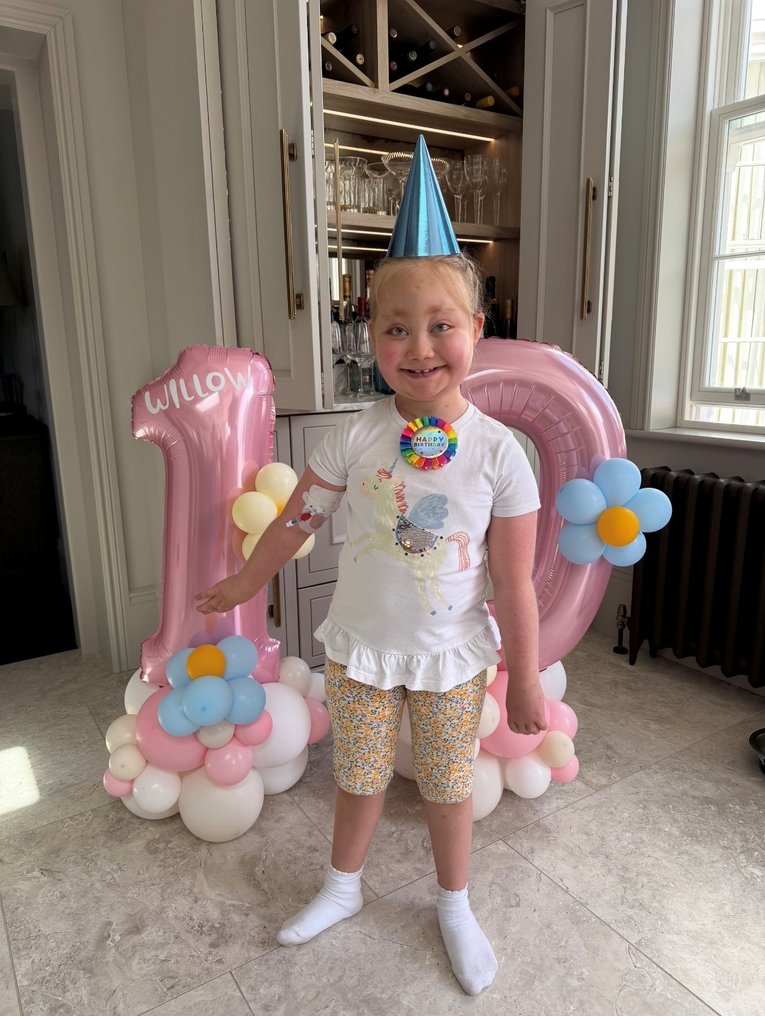
World-first same-day metagenomics for children can detect hidden infections in intensive care
GOSH has successfully implemented a pioneering same-day respiratory metagenomics testing service for children in intensive care, helping clinicians identify infections more quickly and make better-informed treatment decision
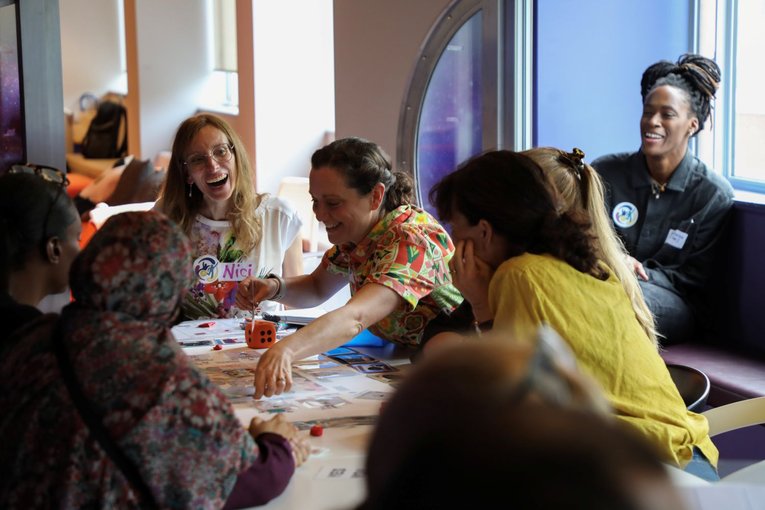
GOSH families at the heart of major £6m project to improve support for children with complex needs
Children, young people and families from GOSH will help shape a major new research programme
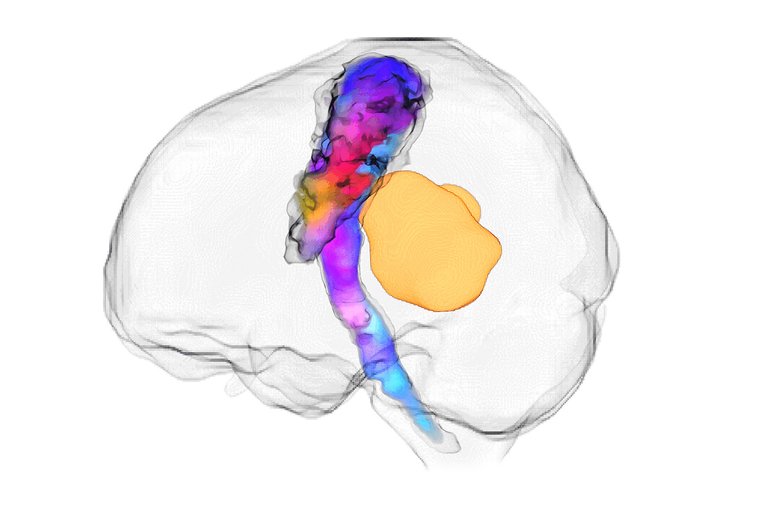
New Fellowship to develop the next generation of paediatric neuro-oncology specialists
The Tessa Jowell Brain Cancer Mission has launched it's first Paediatric Neuro-Oncology Fellowship, to support the development of specialists caring for children with brain cancers
Thousands join world-first trial to save lives of critically ill children
Some of the sickest children in the UK have started to join an innovative clinical trial designed to improve the survival and recovery of children requiring intensive care treatment, led by GOSH.