https://www.gosh.nhs.uk/news/four-research-projects-receive-funding-to-improve-understanding-and-treatment-of-childhood-cancer/
Four research projects receive funding to improve understanding and treatment of childhood cancer
4 Sep 2026, 11:40 a.m.
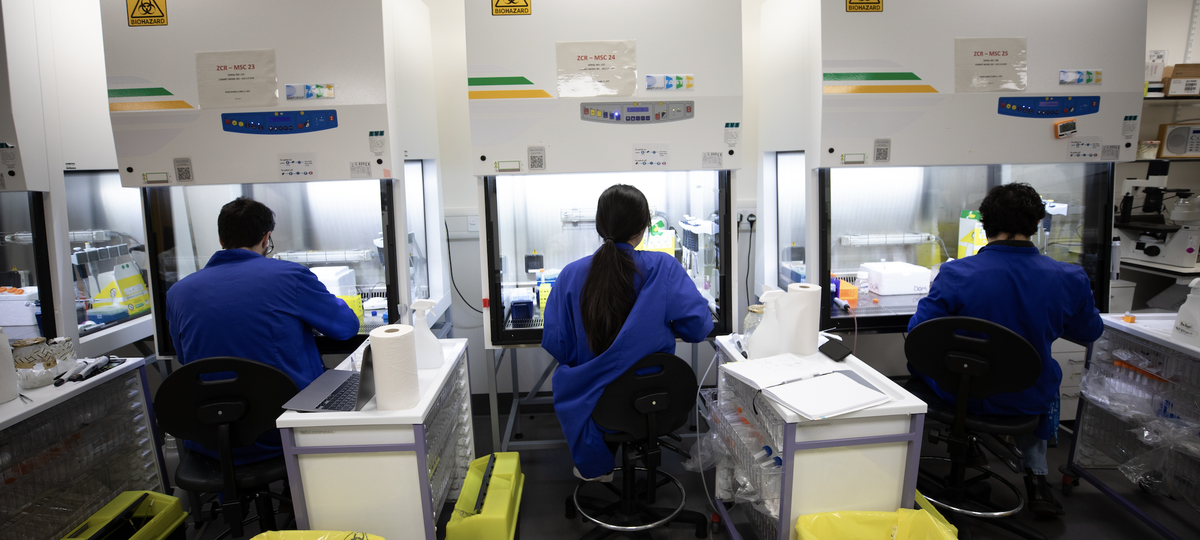
Researchers at Great Ormond Street Hospital (GOSH) and UCL Great Ormond Street Institute of Child Health (UCL GOS ICH) have received funding from The Little Princess Trust for four childhood cancer research projects.
While many childhood cancers can now be treated successfully, some remain difficult to treat, and therapies can have lasting side effects.
Each project takes a different approach to improving treatment, with the shared aim of building a future where every child with cancer has a safe and effective cure.
Understanding how brain signals might help cancer cells grow
Professor Darren Hargrave is studying diffuse midline glioma (DMG), an aggressive childhood brain tumour.
Recent studies by his team suggest that DMG cells may benefit from communicating with healthy brain cells, opening a new area to explore for potential treatments.
Professor Hargrave and his team aim to understand exactly how the cancer uses the brain’s electrical signals by recording this communication during planned surgery. They will combine these recordings with detailed tumour analyses to map how cancer cells interact with brain cells, hoping to identify key connections that new treatments could target.
Discovering how germ cell tumours begin
Dr Harry Leitch is looking at how germ cell tumours begin. These cancers develop from early cells that would normally become sperm or eggs. Because these cells can develop into many different cell types, the tumours they form can also vary considerably.
As Dr Leitch explained, the project asks “what goes wrong during development that makes a germ cell form a tumour rather than a sperm or egg”.
Dr Leitch said: “Ultimately, we hope to build ever more sophisticated stem cell models, which we can then use to test new therapies in a safe way.
“In the long term, our goal is that we can contribute to the development of better and safer treatments for germ cell tumours.”
Improving new immunotherapies
Professor John Anderson’s team is developing CAR T-cell therapy for solid tumours. This treatment uses a child’s own immune cells to find and attack cancer.
Although effective in some blood cancers, these cells can become tired and stop working as well.
The team will test a new version of the treatment that can be temporarily switched off, giving the cells time to rest before they start fighting the cancer again. If successful, his work could help even more children benefit from the exciting new CAR T-cell treatment.
Combining treatments to fight blood cancer
Professor Owen Williams is focusing on a hard-to-treat acute myeloid leukaemia (AML). This type of AML is driven by changes in a gene that force cancer cells to keep growing, making treatments less effective.
His team will build on a “revolutionary new treatment”, developed by other researchers, that targets the faulty gene and can stop this uncontrolled growth. The AML cells can find ways around this treatment. However, Professor Williams explained that his team has “discovered that this can be prevented by adding a medicine that stops the cancer cells from using sugar to survive and grow.”
With funding from The Little Princess Trust, his team will test this new combination treatment.
Professor Williams said: “We are very excited to receive this funding. It will make all the difference to our research and its translation into better treatments for children suffering from this disease.”
Celebrating the gift of organ donation
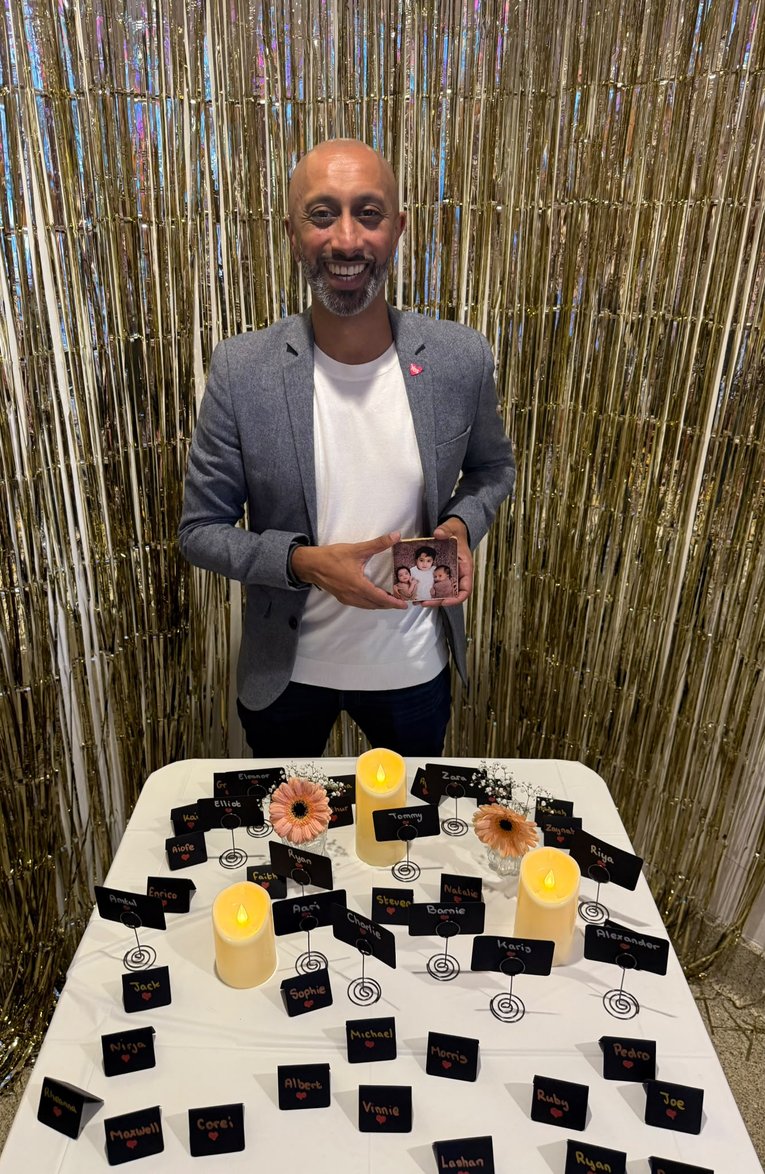
During Organ Donation Week 2026, GOSH hosted its first Donor Family Tea Party, bringing together families whose children gave the extraordinary gift of life through organ donation.
Road closure: Great Ormond Street
There will be a partial closure of Great Ormond Street between 4am on Wednesday 21 and 10pm on Thursday 22 October.
GOSH families at the heart of major £6m project to improve support for children with complex needs
Children, young people and families from GOSH will help shape a major new research programme
New Fellowship to develop the next generation of paediatric neuro-oncology specialists
The Tessa Jowell Brain Cancer Mission has launched it's first Paediatric Neuro-Oncology Fellowship, to support the development of specialists caring for children with brain cancers