Search Results

Metopic craniosynostosis

Metopic craniosynostosis is a type of non-syndromic craniosynostosis that occurs when the metopic suture fuses before birth. This page from Great Ormond Street Hospital (GOSH) explains the causes, symptoms and treatment of metopic craniosynostosis (also k

Read more

Freeman-Sheldon syndrome

Freeman-Sheldon syndrome (previously known as Whistling Face syndrome) is a rare genetic condition that affects the mouth, face, hands and feet. This page from Great Ormond Street Hospital (GOSH) explains the causes, symptoms and treatment of Freeman Shel

Read more
Patients Lucie and Isobel with their brother Jude and dog Lula.

Lucie and Isobel’s new hearts

7 Sep 2020, 11:37 a.m.

This Organ Donation Week 2020, Mum Joanna shares the story of her two daughters, Lucie and Isobel, who both experienced the same rare heart condition seven years apart and were given life-saving heart transplants.

Read more

Great Ormond Street Hospital main entrance

Caring for our patients on our wait lists

4 Mar 2022, 4 p.m.

Saturday 5 March is the second NHS Super Saturday. At GOSH, we're hosting a variety of additional programmes, clinics, and theatre tours to help care for our patients on the waiting lists.

Read more

DNA

Ground-breaking study that utilises mRNA technology shows hope for rare disease treatment

18 Jan 2024, 11 a.m.

Explore ground-breaking research at the intersection of Covid-19 vaccine technology and rare disease therapy.

Read more

Developmental delays identified in children with prolonged seizures

8 Apr 2013, 1:10 p.m.

A study led by researchers at the UCL Institute of Child Health (ICH) has found that convulsive status epilepticus (CSE), one of the most common seizures to occur in young children, is associated with developmental impairments.

Read more

Movement Disorder Service

The Movement Disorder Service offers an additional opinion regarding assessment, diagnosis, prognosis and management of children with locomotor or movement disorders of neurological origin.

Read more

Oral sirolimus to treat vascular problems

This page from Great Ormond Street Hospital (GOSH) provides information about sirolimus (also known as rapamycin) oral solution and tablets, how it is given and some of the possible side effects. Each person reacts differently to medicines, so your child

Read more

A women stands on a balcony and smiling at the camera

Amanda Rajkumar appointed as Non-Executive Director

1 Dec 2025, 9 a.m.

Great Ormond Street Hospital has appointed Amanda Rajkumar as a new Non-Executive Director.

Read more

Urinary incontinence

Urinary incontinence is the uncontrolled leakage of urine from the bladder. The amount of urine leakage varies from child to child, as does the time of day when it occurs. This information sheet from Great Ormond Street Hospital (GOSH) explains the causes

Read more

Barium Meal Study

This page explains about the Barium Meal Study and what to expect when your child comes to Great Ormond Street Hospital (GOSH) to have this done.

Read more

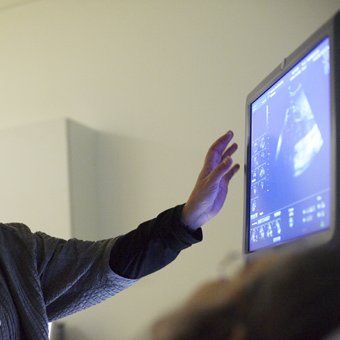
Lyn Chitty ultrasound scan

New sequencing method can diagnose bone abnormalities in fetuses

22 Apr 2018, 5:10 p.m.

Research led by Professor Lyn Chitty has shown that prenatal exome sequencing in fetuses can provide accurate and timely molecular diagnoses for skeletal conditions and inform pregnancy management.

Read more

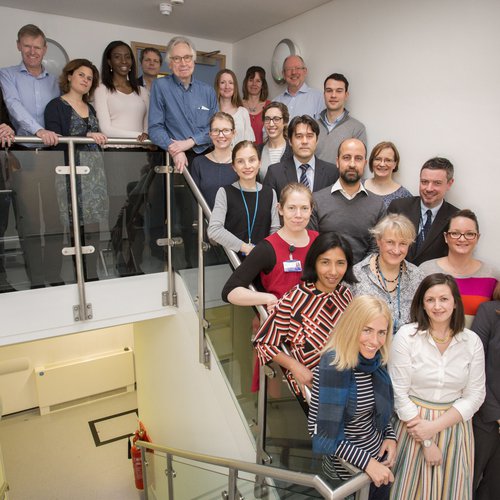
The Craniofacial team at Great Ormond Street Hospital

About the Craniofacial Unit

Read more

Urinary retention

Urinary retention happens when someone can’t completely empty their bladder. Instead of all the urine (wee) being passed out through the urethra, some remains in the bladder. Here we explain the causes and symptoms, the treatment available and where to ge

Read more

Prenatal ultrasound showing fetal tachycardia

This information sheet from Great Ormond Street Hospital (GOSH) explains about fetal tachycardia detected during a prenatal ultrasound scan and what this might mean for your child. It will support the information discussed with you by your doctor and nurs

Read more

Poland’s syndrome

This page explains about the causes, symptoms and treatment of Poland’s syndrome, from Great Ormond Street Hospital.

Read more

Meet the Occupational Therapy team

Meet the team in the Occupational therapy team at Great Ormond Street Hospital. Staff list and biographies for key member of the team.

Read more

Venous malformations

Venous malformations arise from genetic changes that cause certain veins to have an abnormal shape, to be abnormally located, or to be abnormally numerous and bulky. This information sheet provides information about venous malformations and how they can b

Read more

Abdominal adhesions

Abdominal adhesions are bands of tissue that form inside the abdomen which ‘stick’ organs and tissues together. Normally, the organs in the abdomen have a coating that allows them to slide over and around each other. Generally abdominal adhesions do not c

Read more

Appendicitis and removal of the appendix

The appendix is a small pouch joined to the large intestine at a point called the caecum. Appendicitis is inflammation and infection of the appendix. This information from Great Ormond Street Hospital (GOSH) explains the causes, symptoms and treatment of

Read more