

https://www.gosh.nhs.uk/our-research/our-research-infrastructure/nihr-great-ormond-street-hospital-brc/brc-news/trial-suggests-no-adverse-effects-vaginal-progesterone-prophylaxis-prevention-preterm-birth-child/
Trial suggests no adverse effects of vaginal progesterone prophylaxis for the prevention of preterm birth on child at age two
28 Jun 2016, 2:18 p.m.

Diagnostics and Imaging Theme Lead Professor Neil Sebire has teamed up with researchers from nine other establishments to carry out the largest randomised trial to investigate the long-term safety of vaginal progesterone prophylaxis for preterm births.
Research has shown reduced risk of preterm births in high risk women when progesterone is administered, however, there remains uncertainty over the long term effects on the child.
A randomised control trial was carried out in 1,228 women who were at increased risk of preterm birth. Women were randomly assigned to either progesterone capsules or placebos. Results showed that administration of progesterone did not significantly affect the risk of obstetric (foetal death or birth before 34 weeks), neonatal (including death, brain injury or bronchopulmonary dysplasia) or childhood outcomes (standardised cognitive score at two years of age).
Results showed progesterone use was not associated with preterm birth or adverse neonatal outcomes, as well as having no longer term effects at age of two. Findings have been published in the Lancet.

GOSH surgeon receives prestigious international award
Professor Paolo De Coppi, Consultant Paediatric Surgeon at Great Ormond Street Hospital (GOSH), has been recognised as an Honorary Fellow of the American College of Surgeons (ACS), one of the most prestigious honours in global surgery.
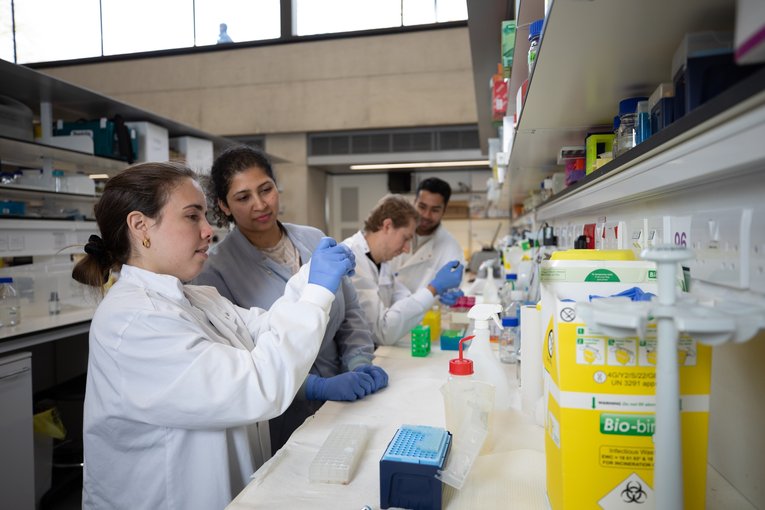
Researchers funded to cure inflammatory disease
Researchers from University College London (UCL) and Great Ormond Street Hospital (GOSH) will join researchers across the UK and international partners in a bid to transform how chronic inflammatory disease is treated.
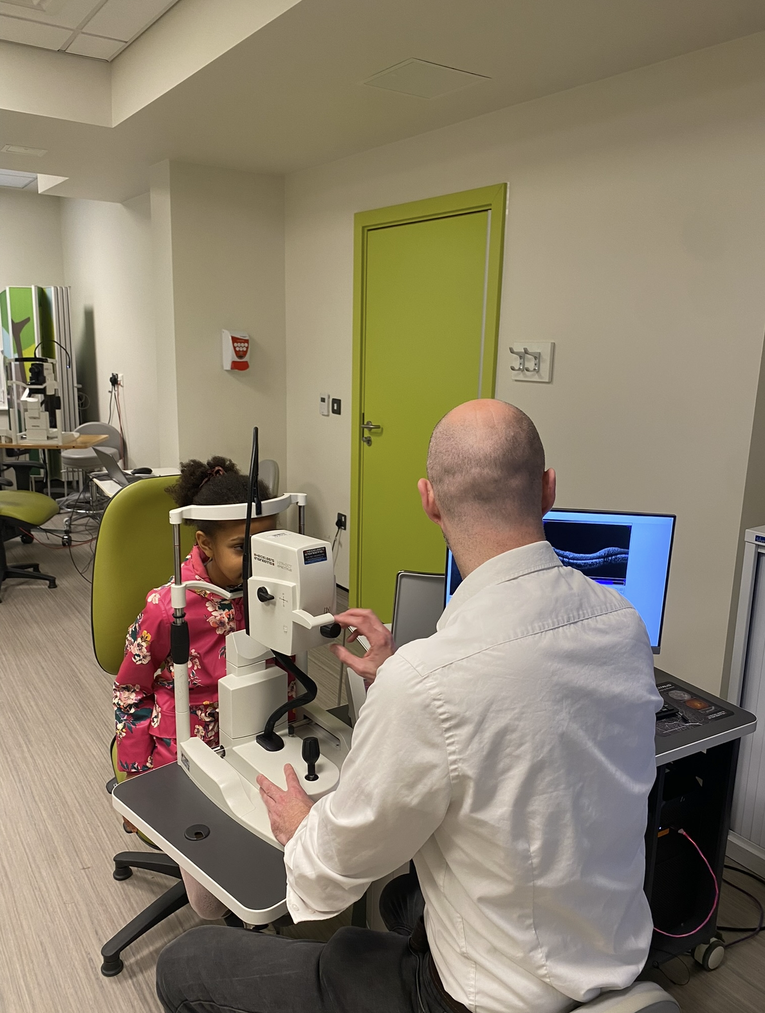
Innovative imaging project aims to save children’s sight
Researchers from GOSH and UCL are leading a project that could transform how children at risk of sight loss are monitored, by adapting advanced eye imaging technology for use closer to home
Five GOSH clinicians recognised with professorial appointments at UCL
Five clinician researchers from GOSH have been promoted to professor by University College London (UCL), recognising their outstanding contributions to research, innovation and child health.