

https://www.gosh.nhs.uk/our-research/our-research-infrastructure/nihr-great-ormond-street-hospital-brc/brc-news/biomarin-release-results-cln2-trial-being-carried-out-gosh/
Biomarin release results from CLN2 trial being carried out at GOSH
28 Jun 2016, 2:05 p.m.

Biomarin have released positive 48-week results from a clinical trial of cerliponase alfa treatment for CLN2 disease.
CLN2 disease is a form of Batten disease, a fatal neurodegenerative disease. It is the result of mutations in the TPP1/CLN2 gene causing deficient activity of the tripeptidyl peptidase 1 enzyme (TPP1). Cerliponase alfa treatment is a recombinant form of TPP1 and is designed to restore TPP1 enzyme activity.
In this Phase I/II trial, cerliponase alfa treatment was administered directly into the brain ventricles via intracerebroventricular infusions. At one year, the results have shown an 80 per cent reduction in the progression of the disease relating to decline in motor and language functioning, when compared to the natural progression of the disease. Furthermore, treatment was also found to reduce cortical grey matter loss.Biomarin plans to submit marketing applications and is planning to implement an early access programme to enable additional CLN2 patients to have access to this treatment.
The Great Ormond Street Hospital (GOSH) involvement in the trial was led by Novel Therapies Deputy Theme Lead, Professor Paul Gissen.
From staff idea to global innovation: Taking the next step towards improving patient safety
A simple idea developed by a GOSH clinician has secured a commercial partner.
Four research projects receive funding to improve understanding and treatment of childhood cancer
Researchers at Great Ormond Street Hospital (GOSH) and UCL Great Ormond Street Institute of Child Health (UCL GOS ICH) have received funding from The Little Princess Trust for four childhood cancer research projects.
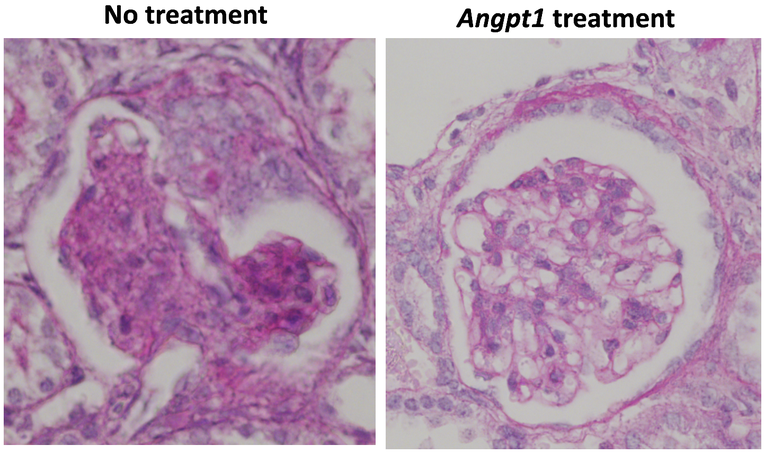
New study brings hope for children with rare life-threatening kidney disease
New research funded by Great Ormond Street Hospital Charity (GOSH Charity), LifeArc and Kidney Research UK has taken an important step towards developing a new treatment for serious genetic kidney diseases affecting children.
Building the next generation of paediatric research leaders
From early career clinicians to emerging scientists, the NIHR GOSH Biomedical Research Centre (BRC)’s Academic Training Weekend is shaping the future of paediatric research - bringing together talent, expertise and ambition from across the UK.