https://www.gosh.nhs.uk/paul-ogradys-little-heroes/paul-ogradys-little-heroes-episode-four/needing-help-her-heart-esme-s-story/
Needing help with her heart – Esme’s story
29 Aug 2018, 8:54 a.m.

When Esme was two years old, doctors confirmed that she would need a heart transplant.Esme later developed pneumonia, and was in and out of hospital. It was established that because her heart was so large, it was collapsing her left lung.
It was at this point that Esme came to Great Ormond Street Hospital (GOSH) to be assessed.
Going onto the Berlin Heart
At GOSH, Esme had a number of operations, and was in surgery for 28 hours over a two-week period. She went onto the ECMO machine – which gave her body a rest – and this machine prepared her for moving onto the Berlin Heart, which was fitted shortly after.
This device takes over the function of a child's heart when it becomes too weak to pump blood around the body. The pump took over the work of the left side of Esme's heart to keep her brain and organs healthy.
"Before this she couldn’t even digest food, we would feed her in the morning, and then she'd be sick six hours later," says Esme’s mum, Lisa. "It was only after going on the Berlin Heart that her appetite started to come back."
"The GOSH team, they sit you down, they explain things to you, but there’s also that danger to it, they’ve got to tell you the dangers, because you’ve got to weigh it up," says Kev, Esme’s dad.
Life on the ward
Although Esme spent 11 months at GOSH waiting for a heart transplant, she has lessons from the hospital school's nursery in her room every morning.
She is also able to have fun with her Play Worker, Kimberley every day.

The hospital's dedicated Play Team, funded by GOSH Charity, design activities for children to aid their treatment, recovery and understanding of their illness, making their hospital experience as stress-free as possible.
“Although the Berlin Heart does create some challenges, we overcome these by doing certain activities that she does enjoy," says Kimberley.
"We keep her plugged in and bring her machine nearer to her while we have her play sessions. If we go out for a local little walk or if we go to the rooftop gardens, there’s electric sockets and we’re able to plug in her machine, which makes it a lot easier for her."
Receiving a heart transplant
Esme was lucky enough to receive a heart transplant. Sarah Reigan, Transplant Co-ordinator shares how hard a time this can be for patients and their families.
“It’s huge to be able to tell the family that a donor heart has become available which is a suitable match. Even though we prepare families for this moment, and they’ve had a year of waiting, it’s still a shock and disbelief when we tell them.”
Talking about the surgery, Esme’s mum, Lisa, shares her feelings of that difficult time.
“Because she has a Berlin Heart, there is the added complication that they needed to remove this,” Lisa says. ”It was attached to her original heart and goes through her skin, so they had that surgery on top of the transplant.
It was a long, long wait, but it was worth it. Even if the surgery had lasted three days it would have been worth it, for her to have this new heart.”
Little Heroes
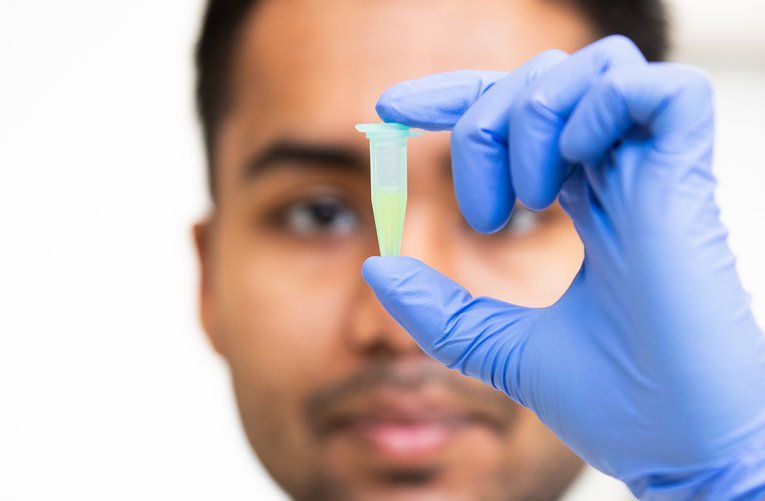
From complex science to clear communication
Across multiple projects at GOSH, patients, families and young people are playing a vital role in transforming how research is communicated
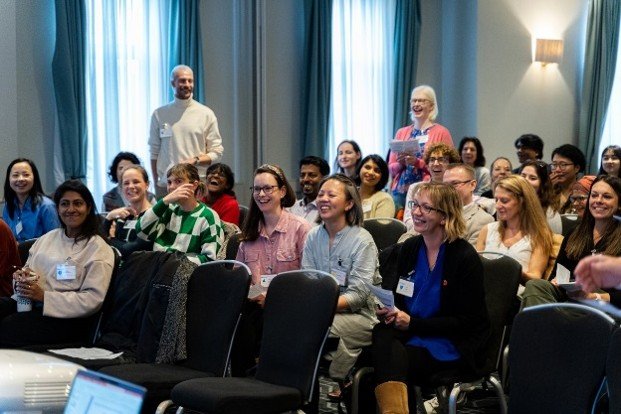
Building the next generation of paediatric research leaders
From early career clinicians to emerging scientists, the NIHR GOSH Biomedical Research Centre (BRC)’s Academic Training Weekend is shaping the future of paediatric research - bringing together talent, expertise and ambition from across the UK.
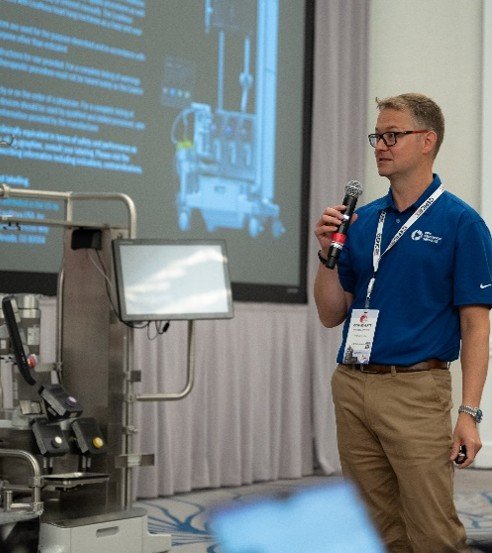
A catalyst to unlock the next generation of research leaders
The NIHR GOSH Biomedical Research Centre (BRC) Fellowships are transforming early-career researchers into independent leaders - driving innovation, attracting millions in funding and shaping the future of paediatric science.
Shaping better research from the start
At GOSH, patient and public involvement is helping researchers to ask the right question, right from the start.