
https://www.gosh.nhs.uk/our-research/our-research-infrastructure/nihr-great-ormond-street-hospital-brc/brc-news/phase-i-clinical-trial-utilising-car-t-cells-treat-refractory-neuroblastoma-has-opened-gosh/
Phase I clinical trial utilising CAR T cells to treat refractory neuroblastoma has opened at GOSH
28 Jun 2016, 2:15 p.m.

A Phase I clinical trial of T-cell immunotherapy for relapsed or refractory neuroblastoma has opened at Great Ormond Street Hospital (GOSH).
The trial is led by BRC-funded Professor John Anderson, Dr Karin Straathof, Dr Barry Flutter and Dr Martin Pule. It is funded by Cancer Research UK, who will manage sponsorship through the Cancer Research UK Centre for Drug Development.
Neuroblastoma is the most common paediatric solid cancer outside of the brain and remains a significant cause of child mortality. Emerging data in the leukaemia and lymphoma field has shown the capacity of immunotherapy using CAR gene modified T cells to induce sustained clinical remissions in patients with chemotherapy refractory disease.
The current trial tests whether applying the same second-generation CAR technology to solid tumours can induce similar clinical responses in a group of patients with no prospect of cure with conventional therapies. The trial will open at GOSH as a single site but with the prospect of expansion into Phase II and opening at other centres, initially University College London Hospital (UCLH). The trial has been made possible by the unique infrastructure in gene and cell therapy at GOSH.

GOSH surgeon receives prestigious international award
Professor Paolo De Coppi, Consultant Paediatric Surgeon at Great Ormond Street Hospital (GOSH), has been recognised as an Honorary Fellow of the American College of Surgeons (ACS), one of the most prestigious honours in global surgery.
Researchers funded to cure inflammatory disease
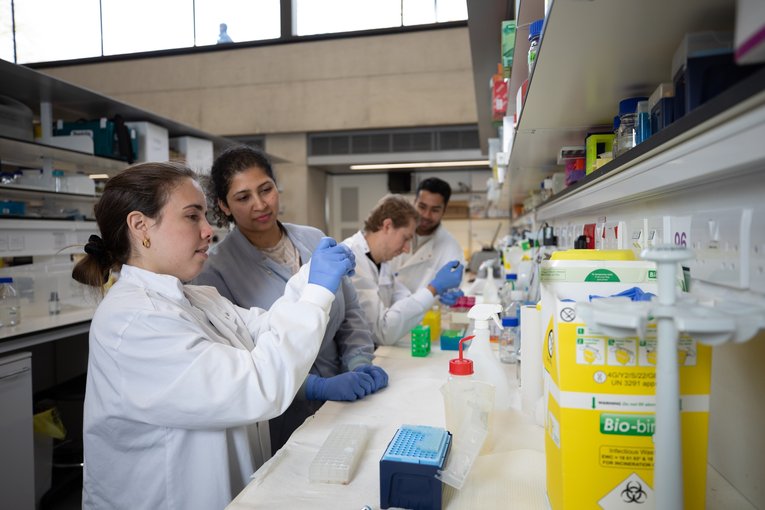
Researchers from University College London (UCL) and Great Ormond Street Hospital (GOSH) will join researchers across the UK and international partners in a bid to transform how chronic inflammatory disease is treated.
Innovative imaging project aims to save children’s sight
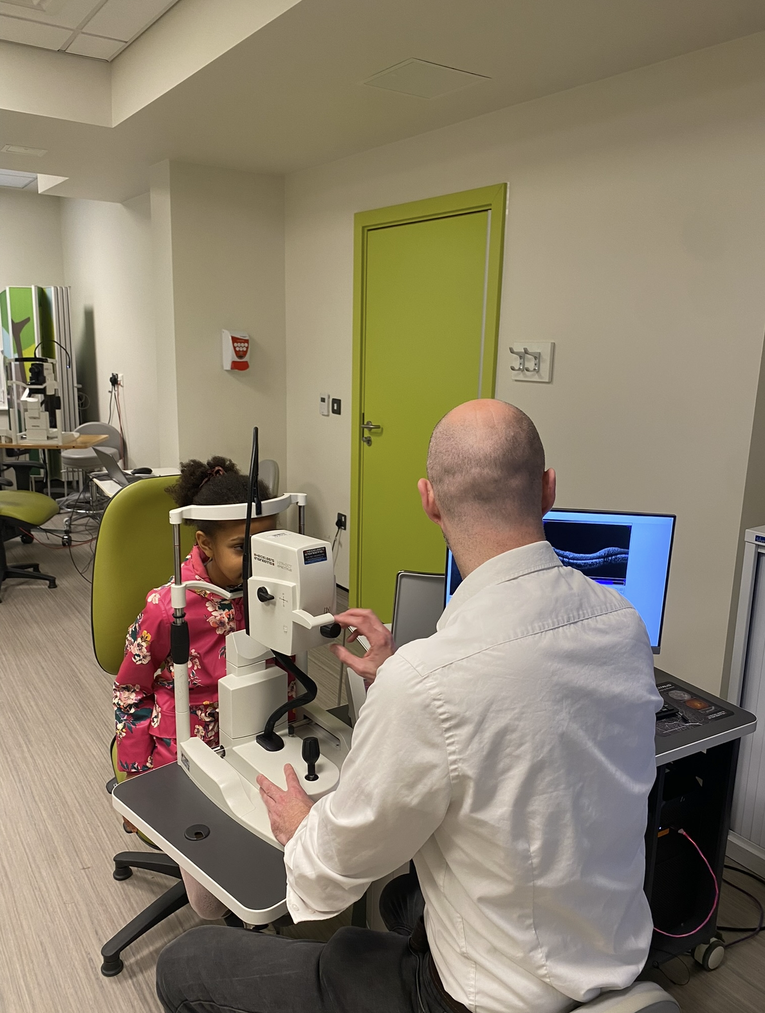
Researchers from GOSH and UCL are leading a project that could transform how children at risk of sight loss are monitored, by adapting advanced eye imaging technology for use closer to home
Five GOSH clinicians recognised with professorial appointments at UCL
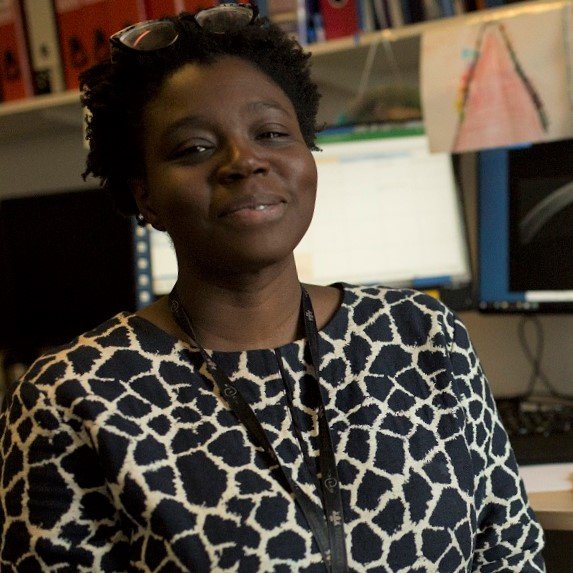
Five clinician researchers from GOSH have been promoted to professor by University College London (UCL), recognising their outstanding contributions to research, innovation and child health.