
https://www.gosh.nhs.uk/our-research/our-research-infrastructure/nihr-great-ormond-street-hospital-brc/brc-news/dr-wendy-heywood-awarded-investigator-initiated-research-proposal-shire-pharmaceuticals/
Dr Wendy Heywood awarded investigator initiated research proposal from Shire Pharmaceuticals
28 Jun 2016, 2:01 p.m.

Following NIHR Great Ormond Street BRC support, which led to the creation of a high-throughput targeted proteomic urine test, Dr Wendy Heywood has been awarded an industry investigator initiated award from Shire Pharmaceuticals.
This award is for a Great Ormond Street Hospital (GOSH) research nurse to facilitate the clinical sample collection pipeline and manage a database of patient samples and clinical information. This Rare Disease Sample Collection will allow researchers at the UCL Institute of Child Health (ICH) and clinicians from the GOSH Metabolic disease clinic, to find new biomarkers, new disease mechanisms, design new treatments and test patients.
This streamlined ICH-GOSH collaboration will enable translation of current and future new metabolic disease biomarkers to clinical laboratories for use in future clinical trials of existing and novel therapies.
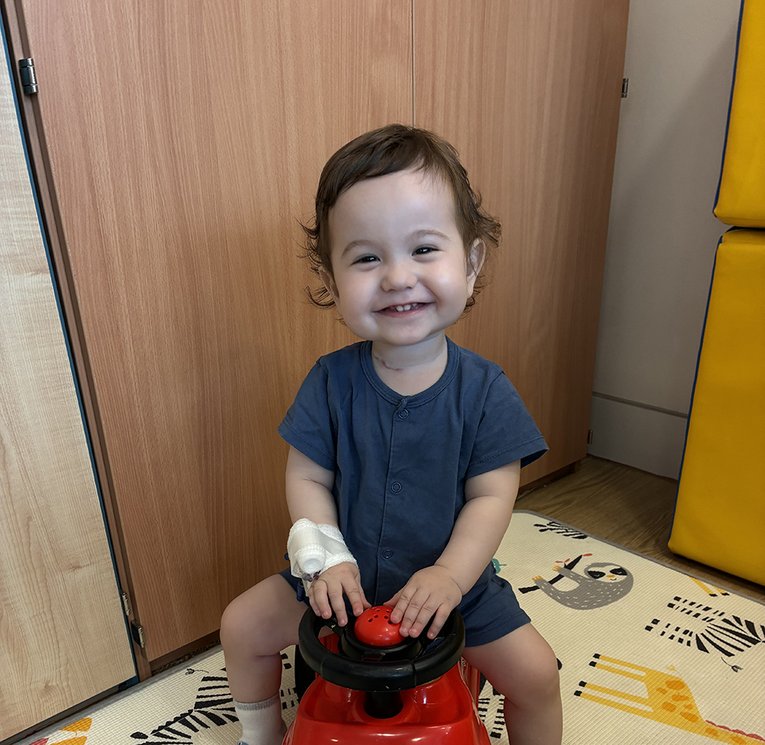
Engineered tissue offers hope for children born with ‘missing’ food pipe
Scientists from Great Ormond Street Hospital (GOSH) and University College London (UCL) have created the first lab‑grown oesophagus - the food pipe - shown to safely replace a full section of the organ and restore normal function, including swallowing, in
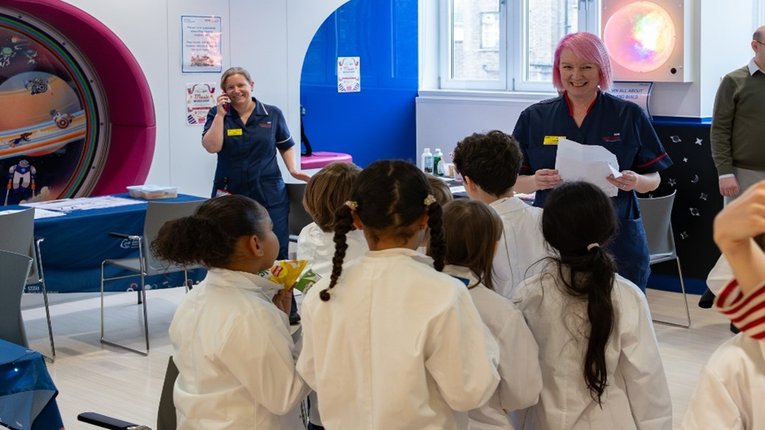
GOSH celebrates Rare Disease Day 2026 with local community
GOSH specialises in rare disease research and to celebrate, we recently invited two local North London Year 4 classes to join us for the day to learn about how we care for patients with rare diseases.
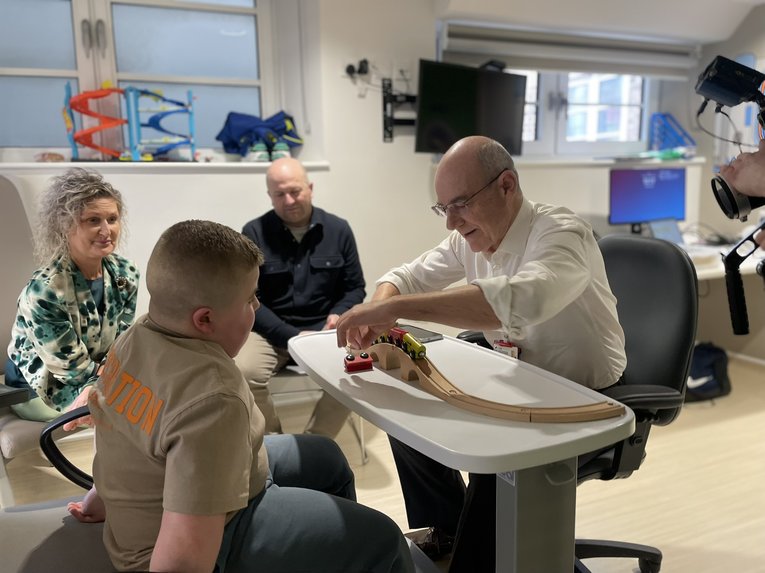
Professor Francesco Muntoni wins prestigious research prize
Professor Francesco Muntoni, GOSH Paediatric Neurology Consultant, has been awarded the 2026 Novo Nordisk Prize in recognition of his pioneering work transforming the outlook for children with Duchenne muscular dystrophy (DMD).
GOSH secures £1.4m in NIHR capital equipment funding to boost research capability
This investment will significantly strengthen our research infrastructure and enhance our ability to deliver world‑leading paediatric research across the whole hospital.