Paediatric Excellence Initiative

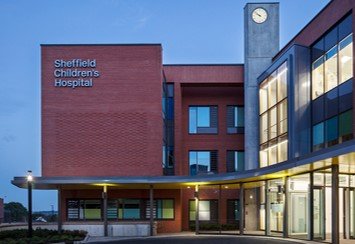
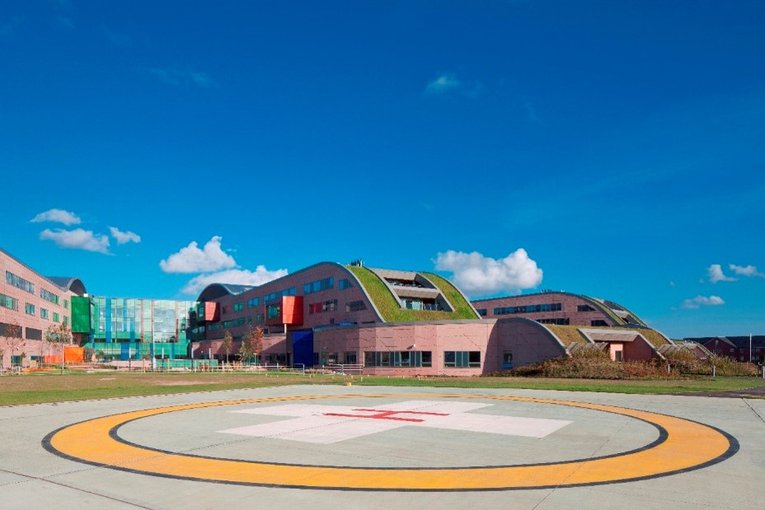
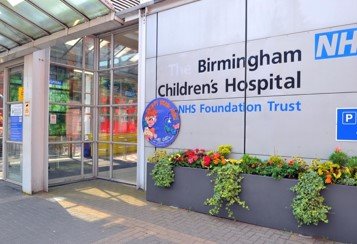
Through our existing partnerships and a new collaboration with children’s hospitals across the UK (Alder Hey, Birmingham, Sheffield), the NIHR GOSH BRC’s vision is to transform the health of children, and the adults they will become, by combining cutting-edge research methods with world-leading clinical trial expertise, to accelerate discovery of new treatments for children with rare and complex conditions worldwide. Involving these patients, their parents or carers and the public in the research process is essential to achieving our mission and creating the Paediatric Excellence Initiative (PEI).

This Initiative reflects:

  • our shared principles of excellence, transparency, accountability and value for money
  • our desire to embed partnership with patients and families
  • and our ambition to ensure staff from a range of career stages, professions and backgrounds can influence our strategy and hold us to account
NIHR GOSH BRC's wider collaboration

As part of the National Institute for Health and Care Research (NIHR) infrastructure, the NIHR GOSH BRC collaborates with organisations across the research and innovation ecosystem to accelerate the development and adoption of new approaches to child health. These partnerships promote knowledge sharing, joint research, workforce development and access to specialist capabilities, helping maximise the impact of BRC-supported research

NIHR Biomedical Research Centre Network

As part of the national NIHR BRC network, we collaborate with BRCs across England to share expertise, align research in complementary areas and develop joint opportunities for translational research. These links connect GOSH’s specialist paediatric strengths with wider clinical and scientific expertise, supporting cross-centre studies, shared learning and researcher development, and helping promising discoveries progress towards benefits for patients and the NHS.

NIHR GOSH Clinical Research Facility (CRF)

The BRC works closely with the NIHR GOSH CRF to translate research discoveries into early-phase and experimental medicine studies. Shared planning aligns specialist facilities, clinical research expertise and delivery capacity, helping BRC-supported innovations progress into complex and first-in-child studies and creating routes to wider multi-site delivery.

NIHR UK Clinical Research Facility (CRF) Network

The UKCRF Network connects Clinical Research Facilities across the UK and Ireland to share expertise, develop best practice and strengthen the delivery of early-phase and experimental medicine studies. Through the NIHR GOSH CRF, our links to the Network support shared learning, workforce development and collaboration, helping complex research studies be delivered efficiently and with a strong focus on patient experience.

NIHR HealthTech Research Centre in Paediatrics and Child Health

We collaborate with the NIHR HRC in Paediatrics and Child Health to develop and evaluate technologies designed around the needs of children and young people. Our partnership combines translational and informatics expertise with paediatric healthtech development, evaluation and industry engagement; joint activity has included proof-of-concept funding for innovative child-health informatics projects.

MRC Centre of Research Excellence: Restorative Immunology

Our links with Restorative Immunology support collaboration around translational approaches to chronic inflammatory and immune-mediated disease. By connecting paediatric clinical and experimental expertise with wider scientific partnerships, we aim to help move promising discoveries towards new, more precise approaches to restoring healthy immune function.

NIHR Brain Tumour Research Consortium

Through the NIHR Brain Tumour Research Consortium, we strengthen links with NIHR infrastructure including the Royal Marsden and Cambridge BRCs to support collaborative paediatric neuro-oncology research. The partnership connects GOSH expertise in genomics, imaging, biomarkers and early therapeutics with multicentre cohorts, protocols and studies, helping accelerate research for children with brain tumours.

International Precision Child Health Partnership (IPCHiP)

Through IPCHiP, we connect our strengths in rare disease, genomics, data and advanced therapies with an international child-health network. The partnership creates opportunities to share expertise and approaches across leading paediatric centres and to develop collaborative precision-health research aimed at improving diagnosis and treatment for children with complex conditions.

SPROCKET Hub

We collaborate with the SPROCKET Hub to connect child-health challenges with expertise in the mathematical and physical sciences. This interdisciplinary relationship helps bring new technologies, quantitative approaches and engineering ideas into translational research, creating opportunities to develop and test innovative solutions for children and young people.

NIHR Musculoskeletal Translational Research Collaboration

Our links with the Musculoskeletal Translational Research Collaboration connect GOSH BRC strengths in genomics, advanced therapies, biomarkers and phenotyping with wider musculoskeletal expertise and patient cohorts. This supports collaborative research across rare disease, orthopaedics, imaging, rehabilitation and regenerative medicine, and helps promising findings generate evidence that can be tested and adopted at scale.

NIHR Infection and Antimicrobial Resistance Translational Research Collaboration

We work across the Infection and AMR collaboration to connect our diagnostic, genomic medicine and experimental-medicine capabilities with national expertise in infection, pathogen genomics and antimicrobial resistance. These links support child-health studies, access to relevant cohorts and rapid evaluation of new diagnostics and approaches, helping evidence move towards NHS pathways.

NIHR Surgery and Perioperative Care Translational Research Collaboration

Our collaboration in surgery and perioperative care brings together BRC discovery science and clinical expertise with wider strengths in surgical innovation, devices, imaging, robotics, outcomes and data-enabled care. It provides a route to co-develop and evaluate new technologies and protocols and to connect specialist development at GOSH with wider clinical evaluation and real-world outcomes.

Q-BIOMED

We work with the UCL-led Q-BIOMED Hub to explore how emerging quantum technologies can address biomedical challenges. Co-funded proof-of-concept projects bring together technical and clinical expertise to translate promising quantum computing approaches into healthcare applications, using BRC capability to help test ideas and build the evidence needed for further development and funding.

Rare Disease Research UK

Our collaboration with Rare Disease Research UK connects GOSH’s extensive rare-disease expertise, patient populations and translational research capability with a wider national rare-disease community. The relationship supports knowledge sharing, collaborative research and stronger routes for turning insights from rare conditions into better diagnosis, treatment and care for children and families.

LifeArc

LifeArc is a strategic translational partner, bringing funding and product-development expertise that complements the BRC’s scientific and clinical capabilities. We work together to help promising discoveries navigate the pathway from early research towards viable diagnostics and treatments, particularly where rare and complex childhood conditions require flexible development routes and specialist support.

NIHR Research Delivery Network

The BRC works with the NIHR Research Delivery Network to support study set-up, recruitment and delivery across NHS settings. This relationship provides routes for multicentre and later-phase research, helps extend access beyond specialist centres and supports efficient delivery across regional and national research infrastructure.

GOSH–UCL Child Health Campus Partnership

Great Ormond Street Hospital and UCL Great Ormond Street Institute of Child Health work as an integrated child-health research campus, combining clinical expertise, discovery science, shared facilities and joint appointments. Through the BRC, this partnership supports the translation of laboratory discoveries into diagnostics, treatments and early-phase studies, alongside joint commercialisation, training and industry engagement.

GOSH Children’s Charity

GOSH Charity is a strategic research partner, supporting major infrastructure and programmes that enable the BRC’s work. Its investment in the Zayed Centre, data capability and child-health research helps create the facilities, platforms and funding routes needed to move promising discoveries towards better diagnosis, treatment and care.

Francis Crick Institute

Our established collaboration with the Francis Crick Institute brings large-scale genome-editing and discovery-science capability into paediatric translational research. Shared expertise and technology platforms support functional studies and the development of experimental models that help clarify disease mechanisms and assess potential therapeutic approaches.

Wellcome Sanger Institute

Collaboration with the Wellcome Sanger Institute contributes large-scale genomics, developmental reference data and AI-based predictive modelling. These capabilities strengthen the development and benchmarking of paediatric disease models and support more robust interpretation of genomic and cellular data across rare-disease programmes.

MRC Centre of Research Excellence in Clinical Trial Innovation

This collaboration connects the BRC with a six-university programme developing more efficient and adaptive clinical-trial designs. Shared methodological work supports trials for very small populations, including rare diseases and individualised therapies, and helps create designs that can respond as new evidence emerges.

Genomics England and the NHS Genomic Medicine Service

We work with Genomics England and the NHS Genomic Medicine Service to improve diagnosis for children with rare disease and to connect research with national genomic pathways. The collaboration supports whole-genome sequencing, unresolved-case referral, the Generation Study and the development and validation of diagnostics that can move into routine NHS services.