
https://www.gosh.nhs.uk/our-research/our-research-infrastructure/nihr-great-ormond-street-hospital-brc/brc-news/funding-boost-develop-novel-therapy-rare-metabolic-condition/
Funding boost to develop novel therapy for rare metabolic condition
1 Apr 2019, 10:19 a.m.

GOSH and UCL Great Ormond Street Institute of Child Health (ICH) researchers Professor Paul Gissen and Dr Julien Baruteau will be part of a new collaboration with Evox Therapeutics that aims to develop a new therapy for the life threatening metabolic condition, argininosuccinic aciduria (ASA)The £1.5 million funding was awarded to Evox Therapeutics from Innovate UK, the UK’s Innovation Agency, and will support the development of the new therapy in collaboration with the ICH and GOSH team.
ASA is a severe urea cycle disorder that causes a build-up of waste products in the urine affecting the nervous system and other organs. There is significant unmet need for these patients as current treatments manage the symptoms and do not act on the root cause of the condition.
Evox specialises in engineering exosomes - the body’s natural delivery system - to enable drugs to reach previously inaccessible areas of the body. They will work closely with Dr Baruteau and Professor Gissen, who is also Theme Lead for Novel Therapies at the National Institute for Health Research (NIHR) GOSH Biomedical Research Centre, to develop an exosome-based therapy that can deliver a working copy of the missing enzyme in an animal model of ASA.
The collaboration will bring together Evox and UCL’s expertise to establish a proof-of concept therapy that will bring us closer to clinical trials for patients with this serious condition.
Professor Gissen said, “Patients with this disorder suffer from dysfunction of the liver, brain and other organs and are representative of a larger group of inherited diseases in which there is a huge unmet need for disease-specific treatments. Therefore, if successful, the same approach may be used to treat many other severe illnesses.”

GOSH surgeon receives prestigious international award
Professor Paolo De Coppi, Consultant Paediatric Surgeon at Great Ormond Street Hospital (GOSH), has been recognised as an Honorary Fellow of the American College of Surgeons (ACS), one of the most prestigious honours in global surgery.
Researchers funded to cure inflammatory disease
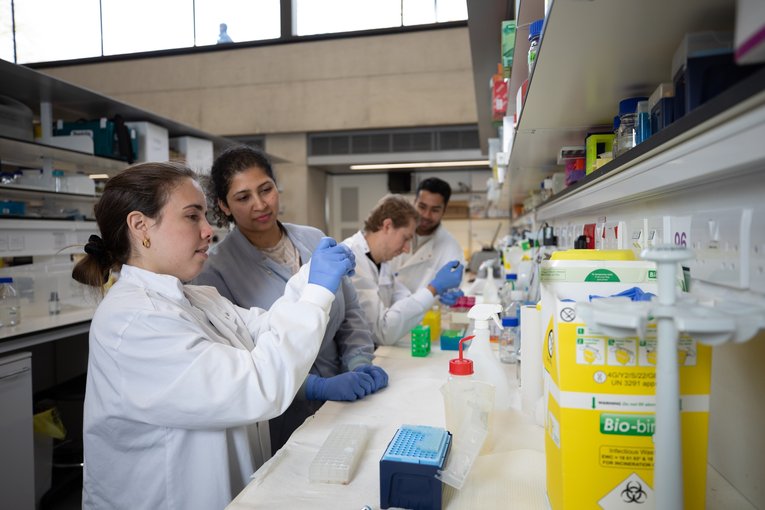
Researchers from University College London (UCL) and Great Ormond Street Hospital (GOSH) will join researchers across the UK and international partners in a bid to transform how chronic inflammatory disease is treated.
Innovative imaging project aims to save children’s sight
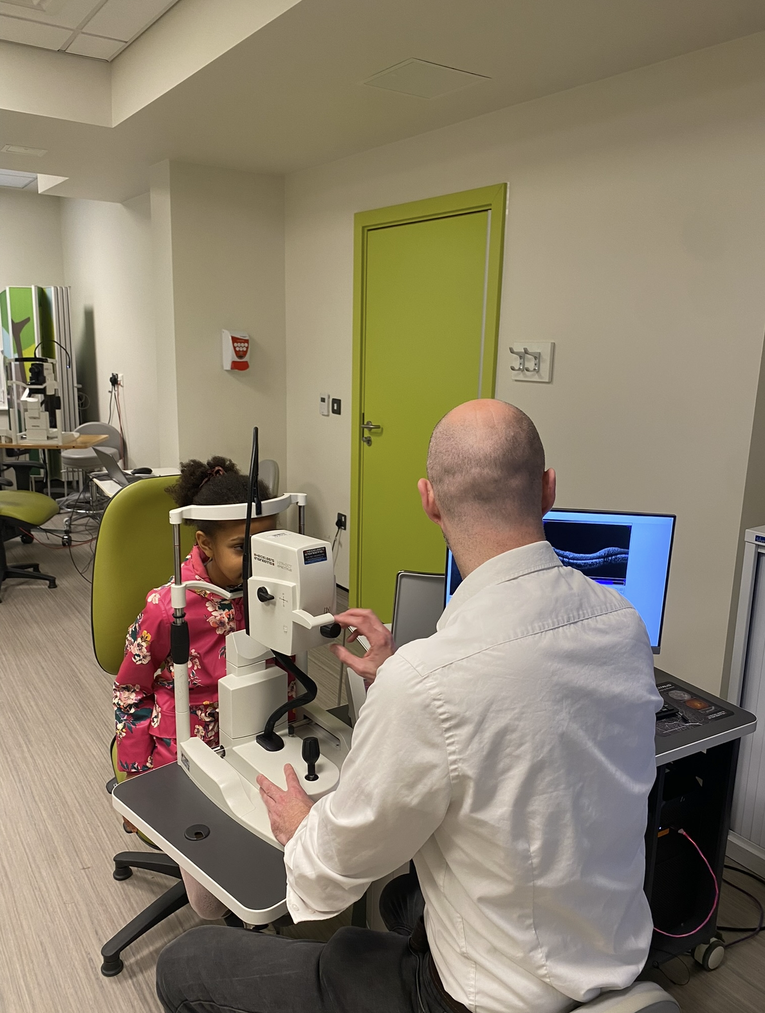
Researchers from GOSH and UCL are leading a project that could transform how children at risk of sight loss are monitored, by adapting advanced eye imaging technology for use closer to home
Five GOSH clinicians recognised with professorial appointments at UCL
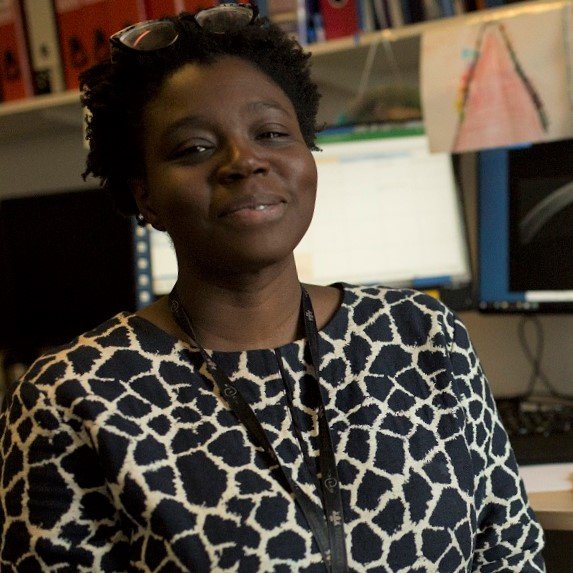
Five clinician researchers from GOSH have been promoted to professor by University College London (UCL), recognising their outstanding contributions to research, innovation and child health.