https://www.gosh.nhs.uk/news/professor-francesco-muntoni-wins-prestigious-research-prize/
Professor Francesco Muntoni wins prestigious research prize
12 Mar 2026, 9:49 a.m.

[Image: Professor Francesco Muntoni explaining 'exon-skipping' with trains in the NIHR GOSH Clinical Research Facility]
Professor Francesco Muntoni, GOSH Paediatric Neurology Consultant, has been awarded the 2026 Novo Nordisk Prize in recognition of his pioneering work transforming the outlook for children with Duchenne muscular dystrophy (DMD).
The Novo Nordisk Prize is awarded annually to scientists whose work has significantly advanced medical science and improved people’s lives - a description that resonates profoundly with Professor Muntoni’s career and impact.
Professor Muntoni is Director of the Dubowitz Neuromuscular Centre and holds senior roles across GOSH and UCL Great Ormond Street Institute of Child Health, where he leads innovative programmes aimed at understanding and treating rare neuromuscular conditions. His contributions extend far beyond DMD, encompassing spinal muscular atrophy, congenital myopathies, and major international clinical trials.
Professor Muntoni began this journey in the late 1980s, at a time when DMD was a diagnosis with no effective treatment and its genetic cause had only recently been identified. His clinical and translational research played a central role in moving ‘exon‑skipping’ from laboratory concept to reality, with early clinical trials showing restored dystrophin production in patients — a landmark moment that helped pave the way for the first approved RNA‑based medicines for DMD in 2016 and 2019. Exon skipping is a treatment approach that helps cells ‘skip over’ the faulty part of a gene so they can make a working version of the protein again. Boys born with Duchenne Muscular Dystrophy are now living longer and healthier lives due to this research.
The award honours Professor Muntoni’s decades-long leadership in developing RNA-based exon-skipping therapies, which have shown that even the most severe inherited diseases can be tackled at their molecular root. His work helped demonstrate that faulty sections of the dystrophin gene can be bypassed to restore production of dystrophin protein — a groundbreaking achievement that reshaped the field of genetic medicine.
His work continues to inspire new possibilities in neuromuscular research and gene‑targeted therapies.
Celebrating a leader in paediatric neuromuscular research
Dr Kiki Syrad, Director of Research and Innovation at GOSH, said: “Francesco’s contribution to transforming the future for children with Duchenne muscular dystrophy cannot be overstated. His unwavering commitment to scientific excellence, his leadership across international collaborations, and his determination to turn discoveries into real treatments for patients make him truly deserving of this recognition.
The Novo Nordisk Prize not only honours his exceptional achievements but reflects what this progress means for the children and families we serve: genuine hope, grounded in rigorous, world‑leading science. We are immensely proud to celebrate Francesco and the impact of his work here at GOSH, and around the world.”
A moment of pride for GOSH and UCL GOS ICH
This award is a testament to the power of long‑term scientific vision and compassionate clinical leadership. Professor Muntoni’s work has helped redefine what is possible for children with genetic neuromuscular conditions - moving the field from inevitability to intervention - and continues to shape the future of rare disease research worldwide.

Update for patients and families on industrial action
Some of our resident doctors at Great Ormond Street Hospital will be taking part in planned industrial action from 7am on Friday 14 November to 7am on Wednesday 19 November.
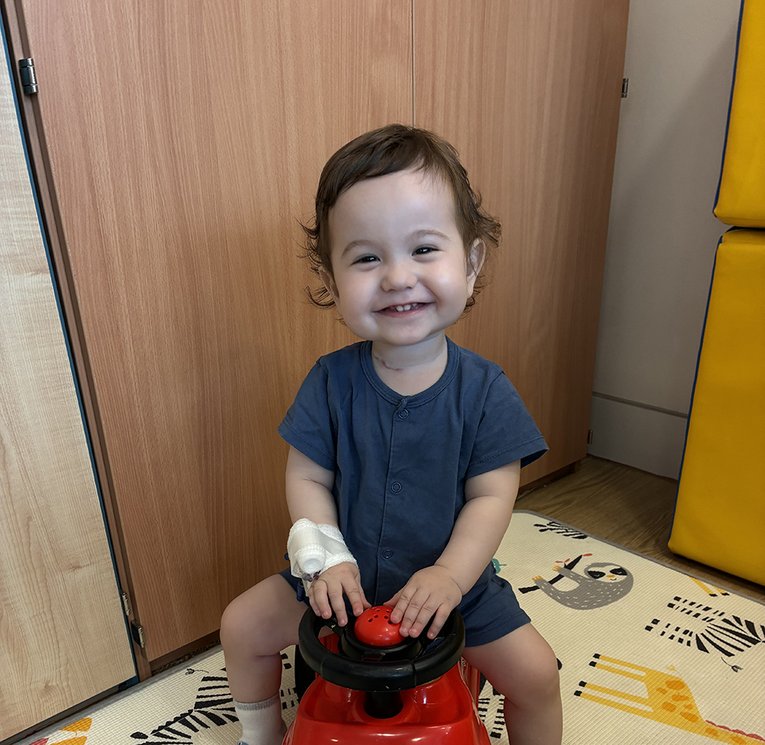
Engineered tissue offers hope for children born with ‘missing’ food pipe
Scientists from Great Ormond Street Hospital (GOSH) and University College London (UCL) have created the first lab‑grown oesophagus - the food pipe - shown to safely replace a full section of the organ and restore normal function, including swallowing, in
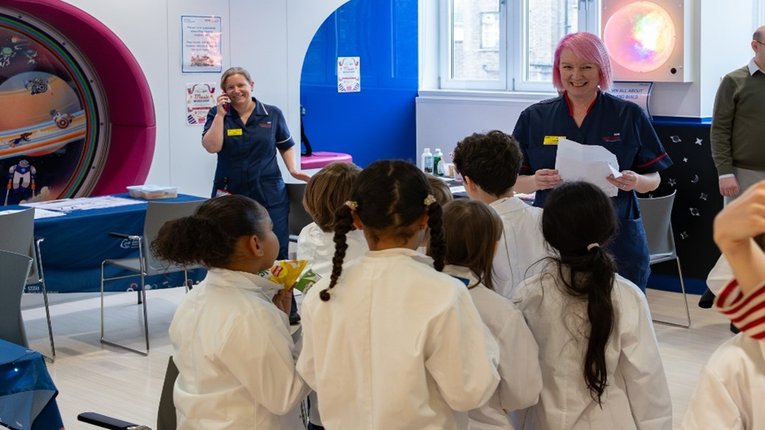
GOSH celebrates Rare Disease Day 2026 with local community
GOSH specialises in rare disease research and to celebrate, we recently invited two local North London Year 4 classes to join us for the day to learn about how we care for patients with rare diseases.
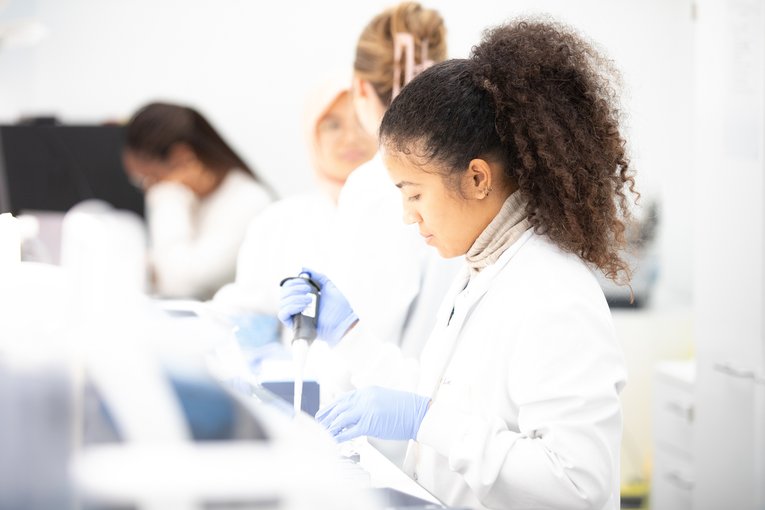
GOSH secures £1.4m in NIHR capital equipment funding to boost research capability
This investment will significantly strengthen our research infrastructure and enhance our ability to deliver world‑leading paediatric research across the whole hospital.