
https://www.gosh.nhs.uk/news/new-national-registry-for-inherited-hearing-loss/
New national registry for inherited hearing loss
26 Aug 2025, 2:20 p.m.
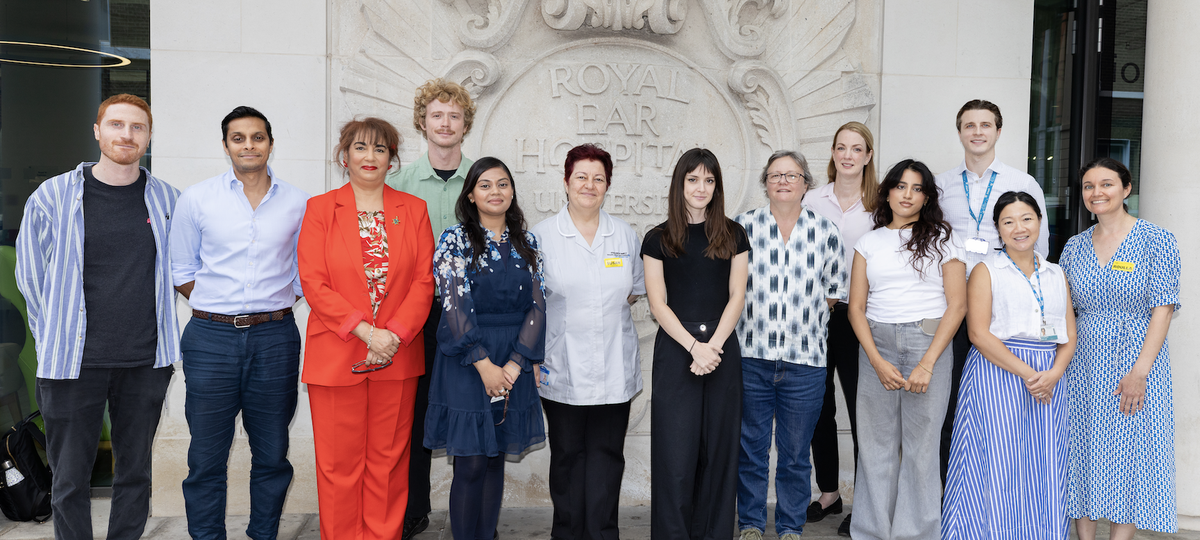
A new national registry is helping researchers understand more about inherited hearing loss – and could help develop new treatments.
The HEDGE study (Hearing, Ear, Deafness and Genetics) is the first of its kind in the UK. It’s a patient registry created by experts at Great Ormond Street Hospital (GOSH), University College London Hospital (UCLH), and University College London (UCL), and managed by the National Institute of Health and Care Research UCLH Biomedical Research Centre.
Adults or children with a known genetic cause of hearing loss or a strong family history can sign up to take part.
The registry is currently recruiting families under the care of GOSH or UCLH. Anyone who thinks they may be eligible can email uclh.hedge@nhs.net to find out more.
How it works
When someone joins the registry, the team collects their hearing and health history, test results, and samples like blood or saliva for genetic testing.
Researchers will then look for links between symptoms (like hearing loss, tinnitus, or dizziness) and genetic information. If relevant clinical trials open, patients in the registry may be invited to take part – giving them access to cutting-edge research on new treatments and technologies, including hearing devices, drugs, or gene therapies.
Dr Emma Clement, consultant in clinical genetics and genomic medicine at GOSH, said: “It is great to be able to offer children, young people and families affected by hearing loss the opportunity to participate in HEDGE. We hope that the registry will allow us to better support research into genetic deafness and ultimately inform and improve patient care.”
Mr Nish Mehta, ear, nose and throat surgeon at UCLH, said: “Many types of inherited hearing loss still don’t have a clear genetic diagnosis. Even when we know which gene is involved, it’s often not clear how it causes hearing loss. Through this registry, we want to change that – and find better ways to treat people.”
Sandra and Lukasz's story
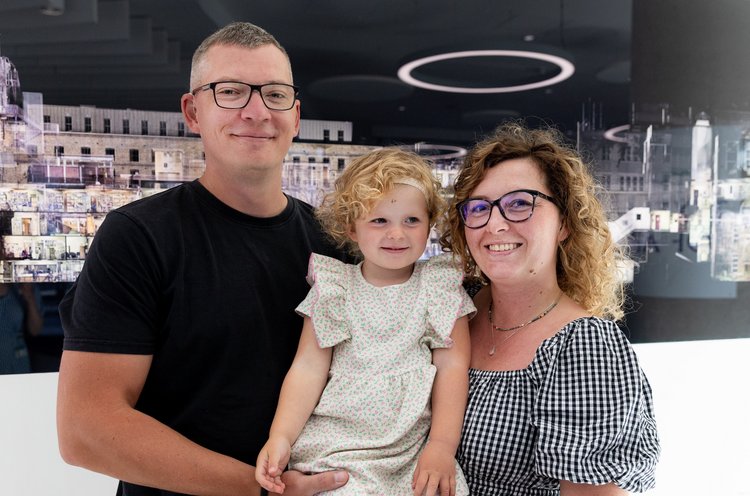
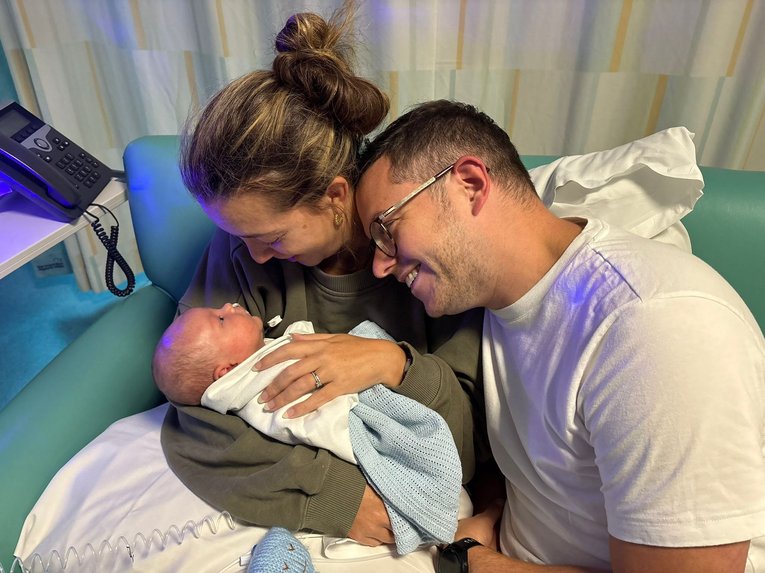
Couple Sandra and Lukasz, and their daughter Phoebe, from Hertfordshire, have signed up to be part of HEDGE. Phoebe has her cochlear implant at GOSH.
Sandra and Lukasz said: “We’re incredibly grateful to be part of the HEDGE study. Taking part felt like a natural step for us – it’s our way of giving back after receiving such life-changing support throughout our daughter’s cochlear implant journey. We hope that by contributing to this important research, we can help break down barriers, raise awareness, and make the path clearer for other families.”
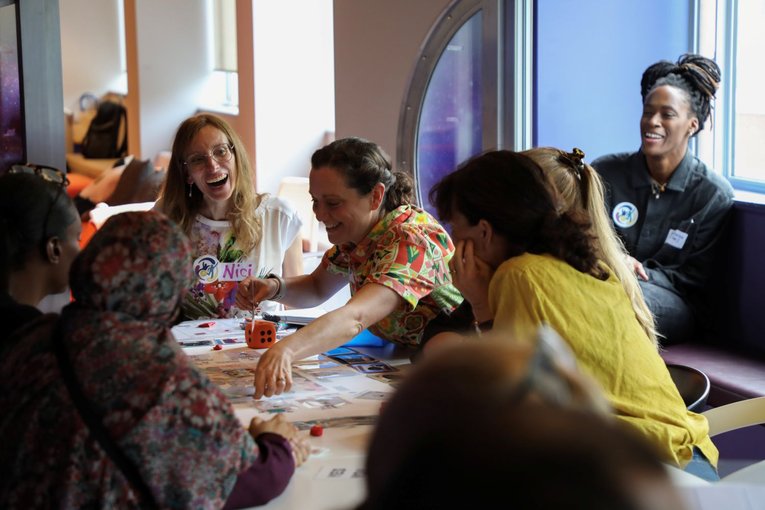
GOSH families at the heart of major £6m project to improve support for children with complex needs
Children, young people and families from GOSH will help shape a major new research programme
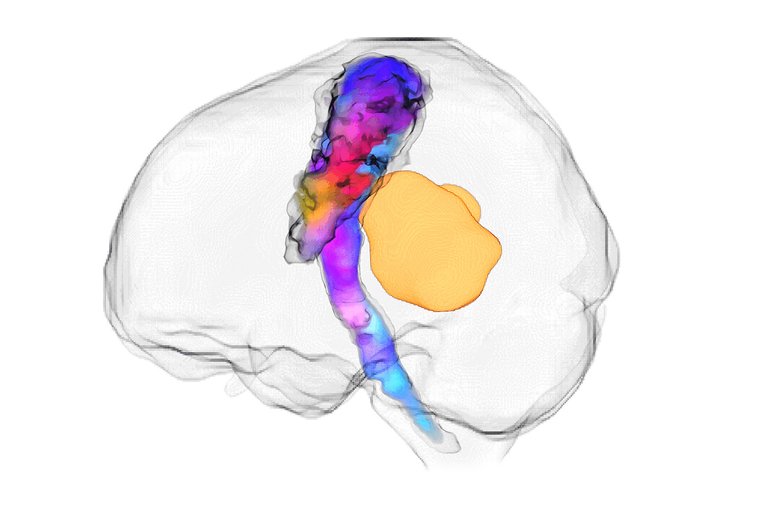
New Fellowship to develop the next generation of paediatric neuro-oncology specialists
The Tessa Jowell Brain Cancer Mission has launched it's first Paediatric Neuro-Oncology Fellowship, to support the development of specialists caring for children with brain cancers
Thousands join world-first trial to save lives of critically ill children
Some of the sickest children in the UK have started to join an innovative clinical trial designed to improve the survival and recovery of children requiring intensive care treatment, led by GOSH.

Message to our patients and patient families following London-wide power outage
Following a London-wide power outage today, we experienced some local issues at GOSH.