https://www.gosh.nhs.uk/wards-and-departments/departments/genomics/the-power-of-genomics-at-gosh/
The power of genomics at GOSH
Faster
Answers for families
Supporting earlier and more accurate diagnosis to plan care with confidence
Tailored
Personalised care
Tailored treatments, improved outcomes and fewer unnecessary interventions
Research
Embedded in care
Integrate research into clinical practice, ensuring benefit from the latest discoveries
Genomic testing for rare and inherited disease began at GOSH in 1985, with around 700 samples being processed that year. Over the subsequent decades’ advances in genomic technologies, increasing clinical adoption and the establishment of the NHS Genomic Medicine Service have transformed the scale and scope of activity undertaken by the laboratory.
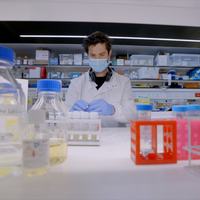
During 2025/26 the GOSH Genomics Laboratory produced around 40,000 genomic reports for patients and families around the country. Our laboratory is also one of only two NHS laboratories that delivers highly specialised prenatal genomic testing services, including Non-Invasive Prenatal Diagnosis (NIPD) and Foetal Exome Sequencing.
GOSH also hosts the North East Thames Regional Clinical Genetics Service. The service serves a population of approximately 4.5 million people across North East London and Essex, whilst also supporting several specialist referral pathways extending beyond its immediate geographical catchment.
At GOSH, we deliver clinically-driven, fully accredited genomic testing at scale. Available for international partners, our testing services operate within the governance and quality standards of the NHS, meaning that partners and patients can be confident that every test is safe, robust and actionable. This scale and expertise underpins resilience, rapid turnaround and the ability to adopt cutting edge technologies quickly and safely.
We have extensive scientific expertise, advanced laboratory infrastructure, and seamless integration between research and clinical care.
Shaping the future of genomics
We work with industry, academic and clinical partners to develop and deliver next-generation genomic technologies. These collaborations help bring innovations from research into real-world clinical use, ensuring patients benefit sooner.