https://www.gosh.nhs.uk/our-research/recent-impact-of-research-and-innovation/drug-rare-form-rickets-now-available-nhs/
Drug for rare form of rickets now available on the NHS
11 Jan 2019, 10:19 a.m.
A new, targeted treatment for the rare form of rickets called X-Linked Hypophosphataemia (XLH) is now available to NHS patients from 8 January 2019, following an international clinical trial.The NIHR Clinical Research Facility at Great Ormond Street Hospital (GOSH) was part of the study to assess the new drug, known as burosumab, for children with XLH.
Following positive results in the clinical trial last year and an extended access programme, burosumab has now been approved by the National Institute for Health and Care Excellence (NICE). From January 8th the drug will be available to patients with XLH - just three and a half years after the phase 2 trial first started.
XLH affects around 300 children in the UK and is caused by genetic mutation that makes the body produce too much of a protein called fibroblast growth factor (FGF23). This means the kidneys leak phosphate into the urine, causing joint pains, weaker bones, bowing of the legs and impaired growth.
The trial, which recruited a total of 52 patients from the Europe and the USA, found that children experienced less pain after 64 weeks of treatment, growth improved and joint X-rays showed a 50% reduction in disease severity.
Until now, children with XLH were treated with phosphate salts and vitamin D several times a day. This increases the level of phosphate in the blood, but doesn’t significantly improve bone-related symptoms and commonly has side effects. The new treatment is the first to specifically target the root cause of the condition by inhibiting FGF23 and reducing phosphate lost in the urine.
As a Research Hospital, our ambition is to help bring new treatments to the children who need them. This drug holds promise for improving long-term outcomes for children with XLH and is an example of how precision medicine is being used to provide targeted treatments for children with rare and complex health conditions.
World-first same-day metagenomics for children can detect hidden infections in intensive care
GOSH has successfully implemented a pioneering same-day respiratory metagenomics testing service for children in intensive care, helping clinicians identify infections more quickly and make better-informed treatment decision
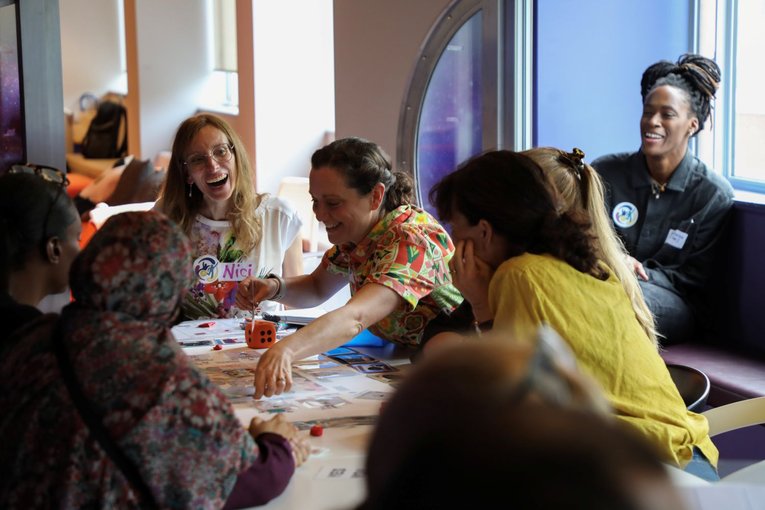
GOSH families at the heart of major £6m project to improve support for children with complex needs
Children, young people and families from GOSH will help shape a major new research programme
New Fellowship to develop the next generation of paediatric neuro-oncology specialists
The Tessa Jowell Brain Cancer Mission has launched it's first Paediatric Neuro-Oncology Fellowship, to support the development of specialists caring for children with brain cancers
Thousands join world-first trial to save lives of critically ill children
Some of the sickest children in the UK have started to join an innovative clinical trial designed to improve the survival and recovery of children requiring intensive care treatment, led by GOSH.