https://www.gosh.nhs.uk/our-research/recent-impact-of-research-and-innovation/critical-research-intensive-care/
Critical research in intensive care
5 Aug 2019, 9:36 a.m.

A UK-wide clinical trial looking at what is the best level of oxygen to aim for children who are on ventilation in intensive care is set to launch later this year.The project has received £1.5 million of funding from the National Institute for Health Research (NIHR) Health Technology Assessment (HTA) Programme. Led by Professor Mark Peters at GOSH with the Intensive Care National Audit and Research Centre, the study aims to recruit 2000 children from 15 NHS paediatric intensive care units (PICU) across the country. Getting the correct levels of oxygen could allow critically ill children to receive less intensive treatment and help them recover faster.
In the UK, around 20,000 children are admitted to intensive care each year and about 75% will receive additional oxygen through a ventilator. In this study, which is known as Oxy-PICU, patients will be randomly assigned to have their blood oxygen levels kept at a lower level (88-92%, which is still within recommended guidelines) or at the level currently used (95-100%). The team will follow up all the children in the study after 90-days and one year to see how they are after leaving PICU.
While some research has shown that very low oxygen levels are harmful, other research has shown that very high levels may also be dangerous. In adults high oxygen levels can lead to worse outcomes in emergencies, such as heart attacks and strokes but because of the differences in how children’s bodies function compared to adults, it is important that research is carried out to help doctors and nurses make more informed decisions about the best oxygen levels to use for children in intensive care.
The new trial follows on from a smaller pilot study, supported by GOSH Children’s Charity, which involved 107 patients from three UK intensive care units. The pilot showed that a full study was feasible and acceptable to families so Oxy-PICU will now be scaled up to a full trial.
The Oxy-PICU trial is part of an active programme of research in intensive care at GOSH with research ongoing into monitoring how best to manage fever in intensive care patients and into how much fluid to replace for patients who have experienced circulatory shock. Last year, the First-ABC trial, which will compares two different techniques for first line breathing support for 1200 critically ill children across 25 UK PICUs, was also awarded £1.5 million of funding from the NIHR HTA. The First-ABC study, led by Dr Padmanabhan Ramnarayan, follows on from a pilot trial funded by GOSH Children’s Charity, which involved 121 children who needed breathing support.
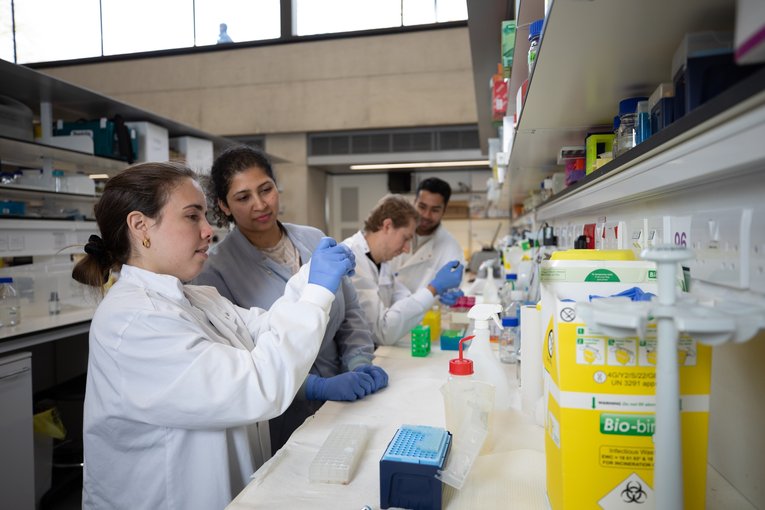
Researchers funded to cure inflammatory disease
Researchers from University College London (UCL) and Great Ormond Street Hospital (GOSH) will join researchers across the UK and international partners in a bid to transform how chronic inflammatory disease is treated.
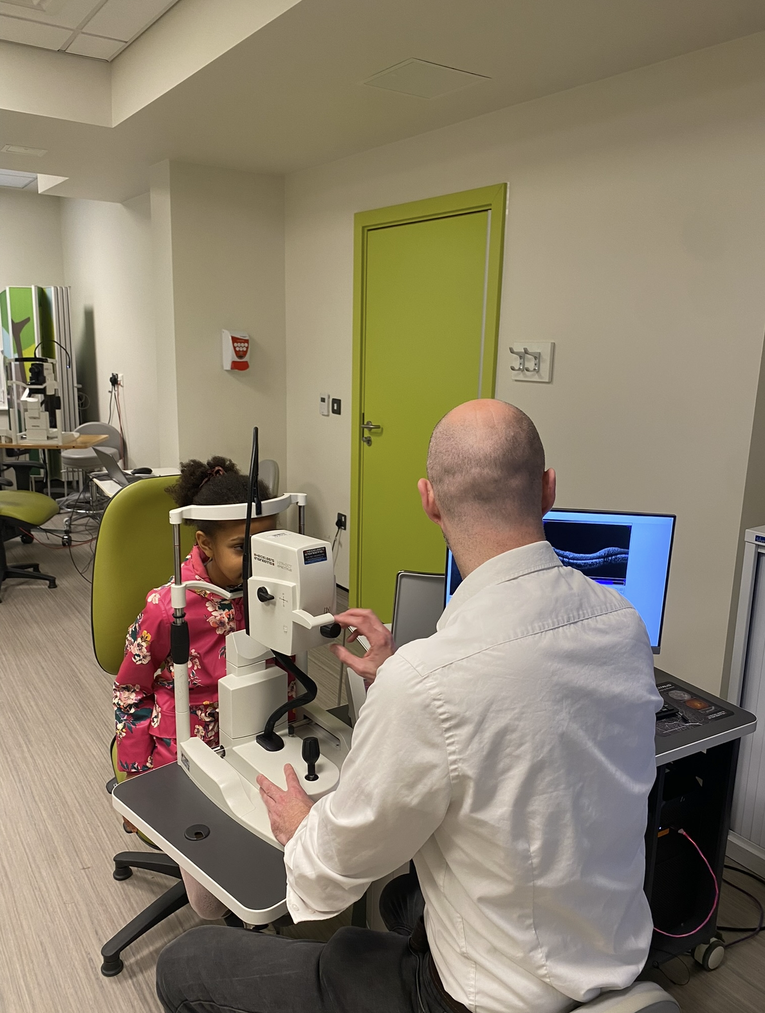
Innovative imaging project aims to save children’s sight
Researchers from GOSH and UCL are leading a project that could transform how children at risk of sight loss are monitored, by adapting advanced eye imaging technology for use closer to home
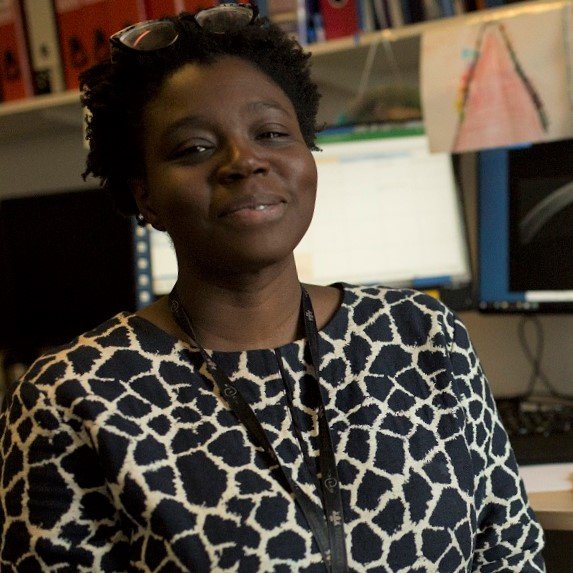
Five GOSH clinicians recognised with professorial appointments at UCL
Five clinician researchers from GOSH have been promoted to professor by University College London (UCL), recognising their outstanding contributions to research, innovation and child health.
From staff idea to global innovation: Taking the next step towards improving patient safety
A simple idea developed by a GOSH clinician has secured a commercial partner.