
https://www.gosh.nhs.uk/our-research/recent-impact-of-research-and-innovation/more-mental-health-research-needed-young-people-cancer/
More mental health research needed for young people with cancer
20 Aug 2019, 10:26 a.m.

A survey of young people, their friends, family and healthcare professionals has identified the most urgent research priorities for young people with cancer.The study, which involved GOSH’s Professor Faith Gibson, revealed that more research to improve the mental health of young people during and after cancer treatment, was the top priority.
Professor Faith Gibson is Director of Research- Nursing and Allied Health and Lead of- the Centre for Outcomes and Experience Research in Children’s Health, Illness and Disability (ORCHID) – a research unit at GOSH focussed on understanding the impact of health conditions on children and young people and their families. Faith Gibson, who is also Professor of Child Health and Cancer Care at the University of Surrey, led the research alongside colleagues Susie Aldiss (University of Surrey), Dr Lorna Fern (University College London Hospitals), Dr Bob Phillips (University of York), working with a Priority Partnership Steering Group, that included young people.
Cancer is the leading cause of death from disease in people aged 15 to 24 years old. Whilst specialist care and support is provided by the NHS and charities, this research aimed to explore the wider impact of cancer on young people.
The research group examined over 800 research questions submitted by young people, their families, and healthcare professionals to identify the future research priorities. The top three were:
- What psychological support package improves psychological wellbeing, social functioning and mental health during and after treatment?
- What interventions, including self-care, can reduce or reverse adverse short-term and long-term effects of cancer treatment?
- What are the best strategies to improve access to clinical trials?
Professor Faith Gibson said: “A diagnosis of cancer can have a devastating effect, but for young people it can be even more profound. Not only are they facing a potentially life-shortening disease but they are removed from everything they know, their friends, family, school life/university/workplace. More research needs to be done to support the psychological and emotional wellbeing of young people, to help them cope with what they are facing and to minimize any long term distress.”
The research was funded by Children with Cancer, CLIC Sargent and Teenage Cancer Trust, and carried out in partnership with the James Lind Alliance.
Read the research paper in BMJ Open.
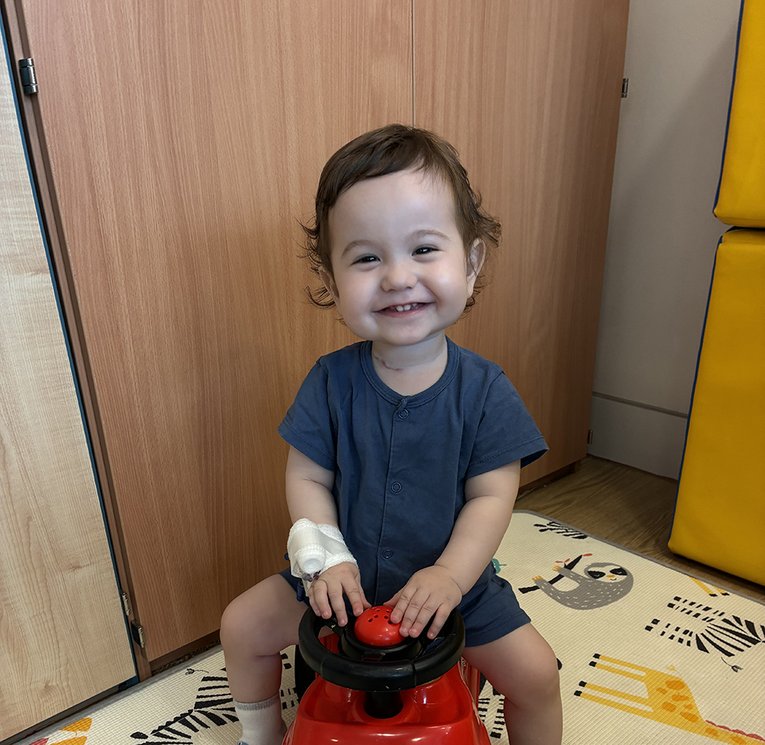
Engineered tissue offers hope for children born with ‘missing’ food pipe
Scientists from Great Ormond Street Hospital (GOSH) and University College London (UCL) have created the first lab‑grown oesophagus - the food pipe - shown to safely replace a full section of the organ and restore normal function, including swallowing, in
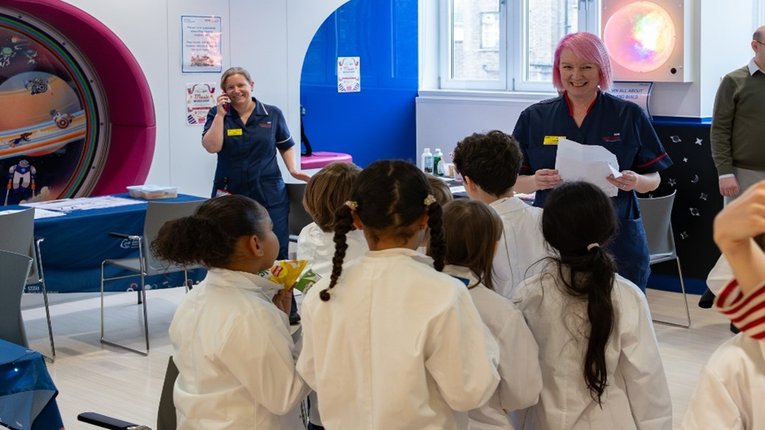
GOSH celebrates Rare Disease Day 2026 with local community
GOSH specialises in rare disease research and to celebrate, we recently invited two local North London Year 4 classes to join us for the day to learn about how we care for patients with rare diseases.
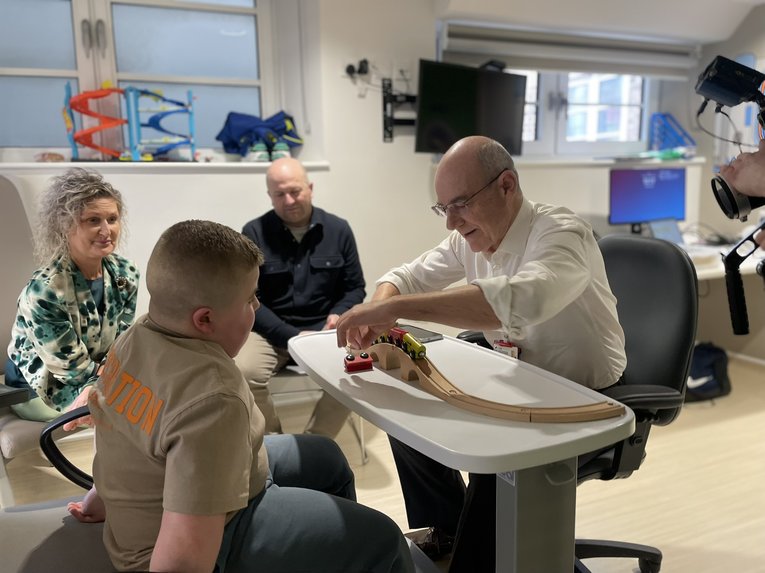
Professor Francesco Muntoni wins prestigious research prize
Professor Francesco Muntoni, GOSH Paediatric Neurology Consultant, has been awarded the 2026 Novo Nordisk Prize in recognition of his pioneering work transforming the outlook for children with Duchenne muscular dystrophy (DMD).
GOSH secures £1.4m in NIHR capital equipment funding to boost research capability
This investment will significantly strengthen our research infrastructure and enhance our ability to deliver world‑leading paediatric research across the whole hospital.