
https://www.gosh.nhs.uk/our-research/our-research-infrastructure/nihr-great-ormond-street-hospital-brc/brc-news/protein-responsible-rare-childhood-disorder-gives-clues-common-neurodegenerative-conditions/
Protein responsible for rare childhood disorder gives clues to common neurodegenerative conditions
9 Sep 2015, 4:10 p.m.
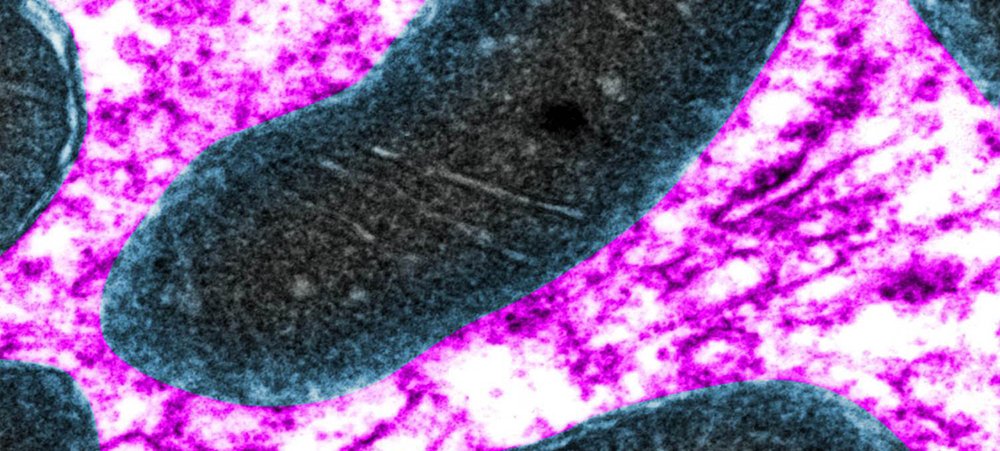
A new mutation in the protein STAT2 has been identified in patients with mitochondrial disease. These findings could also be beneficial for more common neurodegenerative diseases, including Alzheimer’s, Huntington’s and Parkinson’s diseases.Mitochondria are dynamic organelles that constantly go through elongation (fission), and shortening (fusion) in order to share their genetic material and contents. There is a delicate balance between these fission and fusion events, which are very important for normal cell function. Modulation of this dynamic can lead to mitochondrial disorders.
The team identified a novel mutation in a gene called STAT2, which codes for a protein involved in the innate immune system, in two children presenting with severe neurological deterioration following viral infection. The researchers also observed that the mitochondria of these two patients and a third unrelated STAT2-deficient patient, appeared abnormally elongated in shape. Through studying the function of these organelles in the lab, the researchers were able to show that one of the proteins involved in mitochondrial fission is inactive in cells that lack the STAT2 protein.
These findings imply that STAT2 is a novel regulator of mitochondrial fission. It is also the first study to link the innate immune system to mitochondrial function. It is hoped that new therapeutic targets for mitochondrial diseases can be developed from these findings, for which currently there are no effective cure.
This study was led by BRC-supported Professor Shamima Rahman and is published in Brain.
World-first same-day metagenomics for children can detect hidden infections in intensive care
GOSH has successfully implemented a pioneering same-day respiratory metagenomics testing service for children in intensive care, helping clinicians identify infections more quickly and make better-informed treatment decision
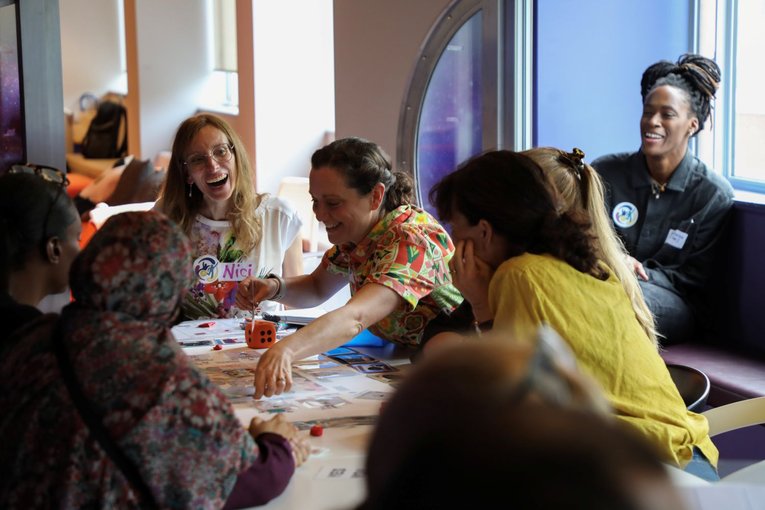
GOSH families at the heart of major £6m project to improve support for children with complex needs
Children, young people and families from GOSH will help shape a major new research programme
Thousands join world-first trial to save lives of critically ill children
Some of the sickest children in the UK have started to join an innovative clinical trial designed to improve the survival and recovery of children requiring intensive care treatment, led by GOSH.

GOSH surgeon receives prestigious international award
Professor Paolo De Coppi, Consultant Paediatric Surgeon at Great Ormond Street Hospital (GOSH), has been recognised as an Honorary Fellow of the American College of Surgeons (ACS), one of the most prestigious honours in global surgery.