

https://www.gosh.nhs.uk/our-research/our-research-infrastructure/nihr-great-ormond-street-hospital-brc/brc-news/catalyst-fellowships-launched-support-talented-child-health-researchers/
Catalyst Fellowships launched to support talented child health researchers
14 Dec 2017, 4:32 p.m.
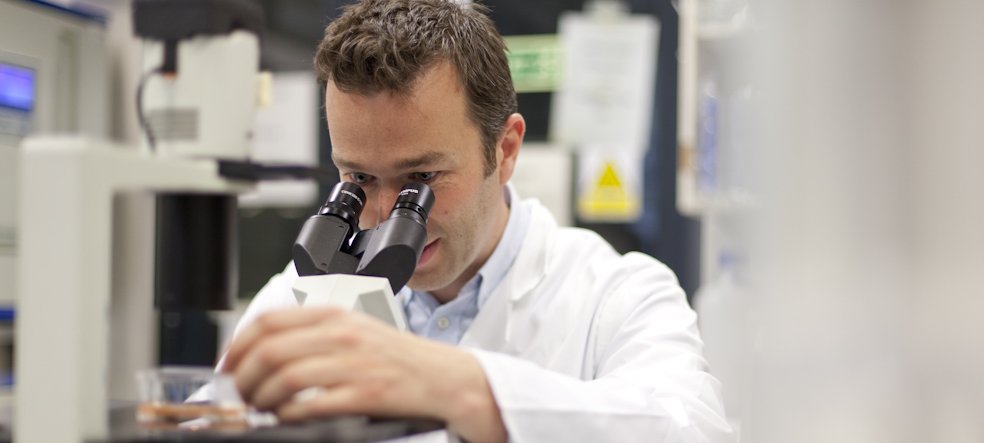
The Catalyst Fellowships are an exciting new initiative supported by the National Institute for Health Research (NIHR) Great Ormond Street Hospital (GOSH) Biomedical Research Centre aiming to build the capacity of child health researchers and enabling them to become the research leaders of the future.The fellowship, which provides up to 18 months of salary support, will help talented individuals take the next step towards establishing themselves as independent researchers. Applications are invited from clinical and non-clinical trainees.
The Catalyst Fellowships have been spearheaded by the recently-established GOSH BRC Junior Faculty, a group that aims to support the career development of junior researchers.
This new fellowship is a reflection of the importance that GOSH and ICH place on nurturing the next generation of paediatric researchers. This funding will support junior researchers in making the transition to senior leaders and allow them to develop their careers within the world-class research environment of GOSH and ICH.
The deadline for applications is Thursday 1st March 2018.
Application form and eligibility criteria (0 bytes)

Enquiries: brc@gosh.nhs.uk

GOSH surgeon receives prestigious international award
Professor Paolo De Coppi, Consultant Paediatric Surgeon at Great Ormond Street Hospital (GOSH), has been recognised as an Honorary Fellow of the American College of Surgeons (ACS), one of the most prestigious honours in global surgery.
Researchers funded to cure inflammatory disease
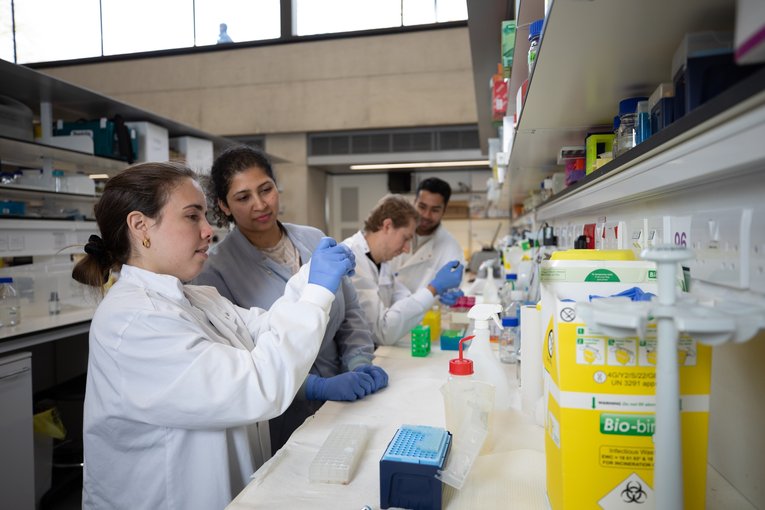
Researchers from University College London (UCL) and Great Ormond Street Hospital (GOSH) will join researchers across the UK and international partners in a bid to transform how chronic inflammatory disease is treated.
Innovative imaging project aims to save children’s sight
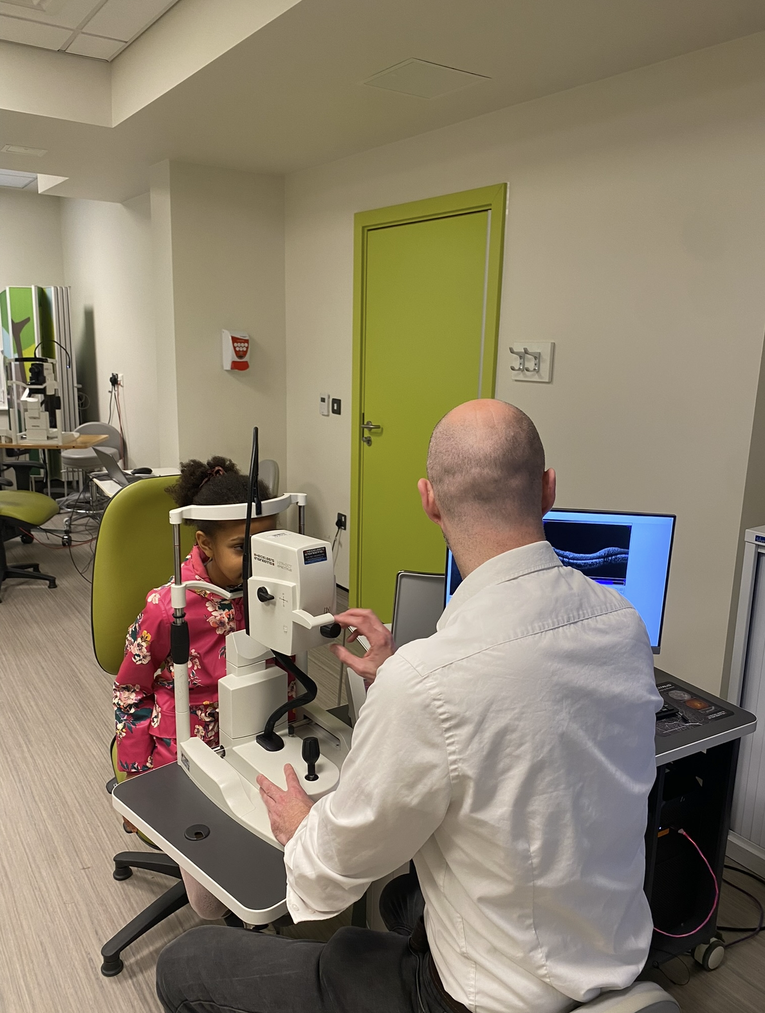
Researchers from GOSH and UCL are leading a project that could transform how children at risk of sight loss are monitored, by adapting advanced eye imaging technology for use closer to home
Five GOSH clinicians recognised with professorial appointments at UCL
Five clinician researchers from GOSH have been promoted to professor by University College London (UCL), recognising their outstanding contributions to research, innovation and child health.