https://www.gosh.nhs.uk/news/nihr-launches-137m-investment-into-brain-tumour-research/
NIHR launches £13.7m investment into brain tumour research
19 Dec 2025, 11:47 a.m.
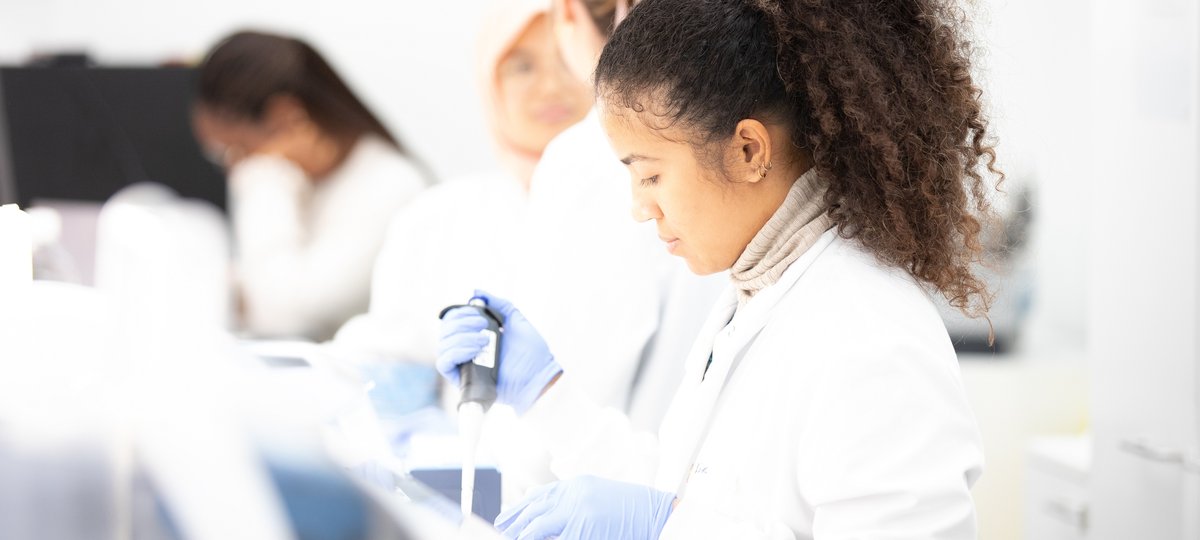
The National Institute for Health and Care Research (NIHR) has announced a £13.7 million investment that will support ground-breaking research to develop novel brain tumour treatments in the UK.
The funding will establish the NIHR Brain Tumour Research Consortium, a national partnership uniting 48 hospitals, universities, cancer centres and charities along with patients, in a coordinated UK-wide effort to transform outcomes for people living with brain tumours and their families.
The consortium will be led by Professor Juanita Lopez, at The Royal Marsden NHS Foundation Trust. Professor Darren Hargrave, Clinical Professor in paediatric neuro-oncology at Great Ormond Street Hospital (GOSH) and UCL Great Ormond Street Institute of Child Health will be co-lead, alongside Dr Richard Mair from the Cancer Research UK Cambridge Institute at the University of Cambridge and Cambridge University Hospitals NHS Foundation Trust.
Shifting the dial in brain tumour research
Brain tumours are among the toughest cancers to treat. This world-leading consortium will help doctors and researchers understand the disease better, test new innovative treatments earlier, and make trials available to more adults and children closer to home.
They will develop and enhance innovative clinical trials focusing on new and emerging treatments through precision medicine (therapies tailored to certain individuals' tumours). In future they hope to expand into new areas such as radiotherapy techniques, and gene and immunotherapies which modify a person’s DNA and immune system respectively to tackle cancer. This will create stronger evidence to support future NHS access if treatments prove safe and effective, and improve health outcomes.
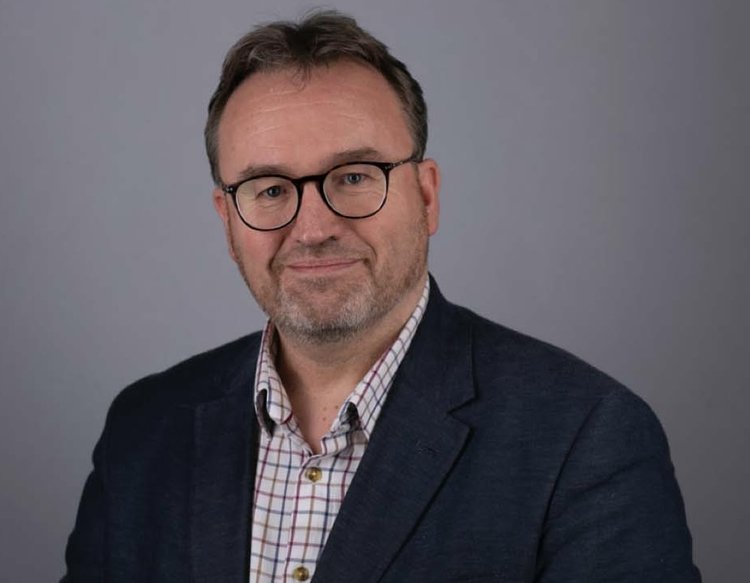
Professor Darren Hargrave, Clinical Professor in paediatric neuro-oncology at and UCL Great Ormond Street Institute of Child Health, said: “I would like to thank the NIHR for their funding and support to establish this new national NIHR Brain Tumour Research Consortium, which aims to transform the UK’s ability to develop and deliver clinical trials leading to better therapies and improved outcomes for patients and their carers impacted by brain tumours irrespective of age.
“The consortium will bring together the UK’s leading clinical researchers and scientists, whilst developing the next generation of researchers in the fight against brain cancer for both children and adults.
“I am honoured to work with Juanita Lopez and Richard Mair in co-leading the consortium. In partnership with colleagues from across the UK, alongside patients and their families and in solidarity with charity and industry partners we aim to rise to the huge challenge to truly make a difference in these devastating diseases.”
Aiming to improve survival rates
There are 13,000 new brain, other Central Nervous System (CNS) and intracranial tumour cases in the UK every year making these the eighth most common cancer in the UK, accounting for 3% of all new cancer cases.
The consortium will address 5 challenges contributing to the current lack of new and effective therapies:
- Large amounts of variation. There are more than 100 brain cancer types and even patients with the same type can be affected differently.
- The limited number of new drugs available for testing.
- Insufficient research facilities, research leaders and research staff.
- Shortcomings in planning and execution of research studies.
- Lack of consistent and dedicated support for brain cancer research.
The partnership has the potential to shift the dial and position the UK as a leading location for brain tumour treatment research. Its activities will include:
- Enrolling patients to a ‘real world’ study tracking their progress in everyday medical settings, before matching them to new clinical trials based on their cancer subtype.
- Developing pioneering new clinical trials - including platform trials - to test interventions including targeted precision medicines, radiotherapy technologies, immunotherapies, and novel gene therapies.
- Developing new training programmes for those working in brain cancer research to build capacity and increase skills among the next generation of researchers.
- Partnering with patients to ensure the patient’s voice is heard in everything we do.
Further NIHR funding into brain tumour treatment trials will be delivered as part of the consortium in early 2026. Research delivered by the consortium will complement research funded and delivered by others, including the Medical Research Council and UK Research and Innovation.
A full list of organisations in the consortium is available from NIHR.
Engineered tissue offers hope for children born with ‘missing’ food pipe
Scientists from Great Ormond Street Hospital (GOSH) and University College London (UCL) have created the first lab‑grown oesophagus - the food pipe - shown to safely replace a full section of the organ and restore normal function, including swallowing, in
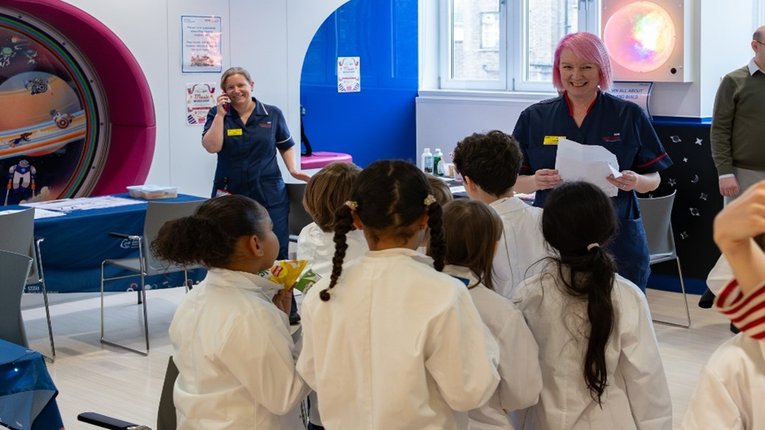
GOSH celebrates Rare Disease Day 2026 with local community
GOSH specialises in rare disease research and to celebrate, we recently invited two local North London Year 4 classes to join us for the day to learn about how we care for patients with rare diseases.
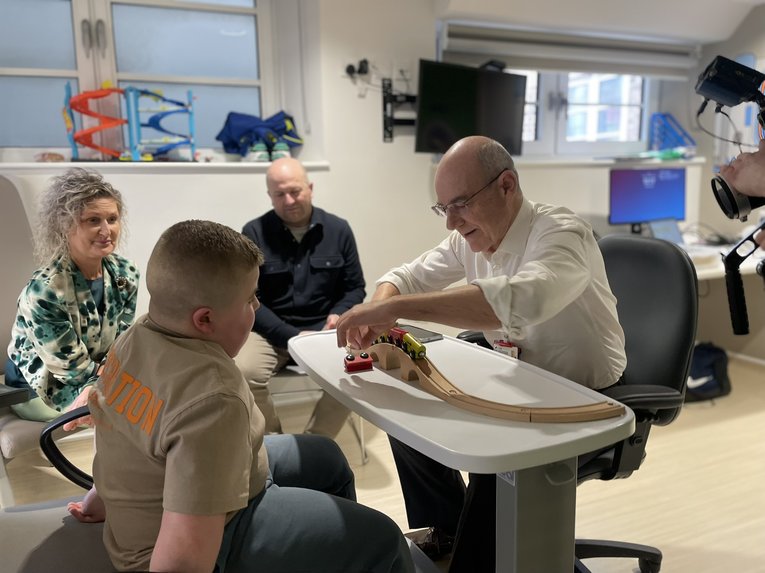
Professor Francesco Muntoni wins prestigious research prize
Professor Francesco Muntoni, GOSH Paediatric Neurology Consultant, has been awarded the 2026 Novo Nordisk Prize in recognition of his pioneering work transforming the outlook for children with Duchenne muscular dystrophy (DMD).
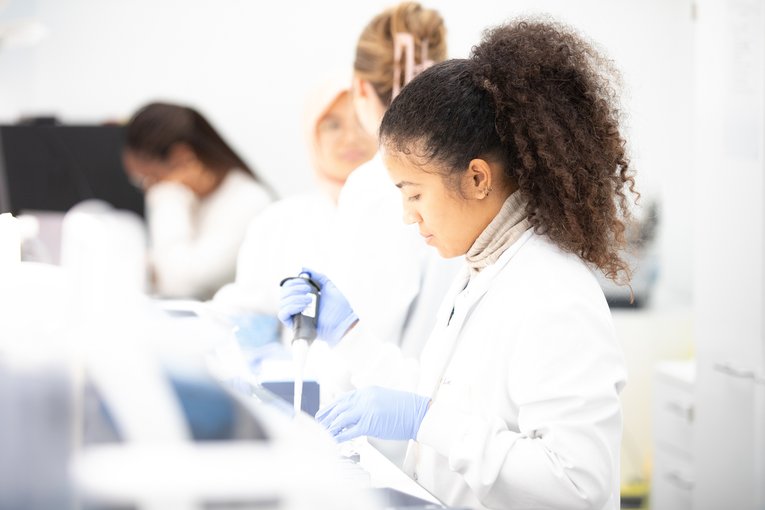
GOSH secures £1.4m in NIHR capital equipment funding to boost research capability
This investment will significantly strengthen our research infrastructure and enhance our ability to deliver world‑leading paediatric research across the whole hospital.