https://www.gosh.nhs.uk/news/nhs-genetic-testing-gives-power-to-families-with-rare-conditions/
NHS genetic testing gives ‘power’ to families with rare conditions
2 Dec 2025, 9 a.m.
A new study has shown that whole genome sequencing (WGS), now offered as part of NHS care, allows children with rare conditions to access the right care faster.
The research by clinicians at Great Ormond Street Hospital (GOSH), published today in Genetics in Medicine, shows that children diagnosed with a rare condition at GOSH who have had WGS through the NHS’ Genomic Medicine Service (GMS) are more likely to find the genetic cause at an earlier age than before. This is thanks to learnings from the 100,000 Genomes Project.
The 100,000 Genomes Project studied the role our genes play in health and disease. It showed for the first time that WGS can uncover new diagnoses for people with rare diseases. Building on this, in 2018 the NHS set up the GMS which delivers genomic testing and clinical services that support diagnosis, treatment pathways for cancer and rare and inherited disease for people across the UK.
Access to genetic testing has helped provide families, like Nathaniel’s, with answers. It opens doors to treatment options and reduces the need for unnecessary investigations.
Nathaniel's story
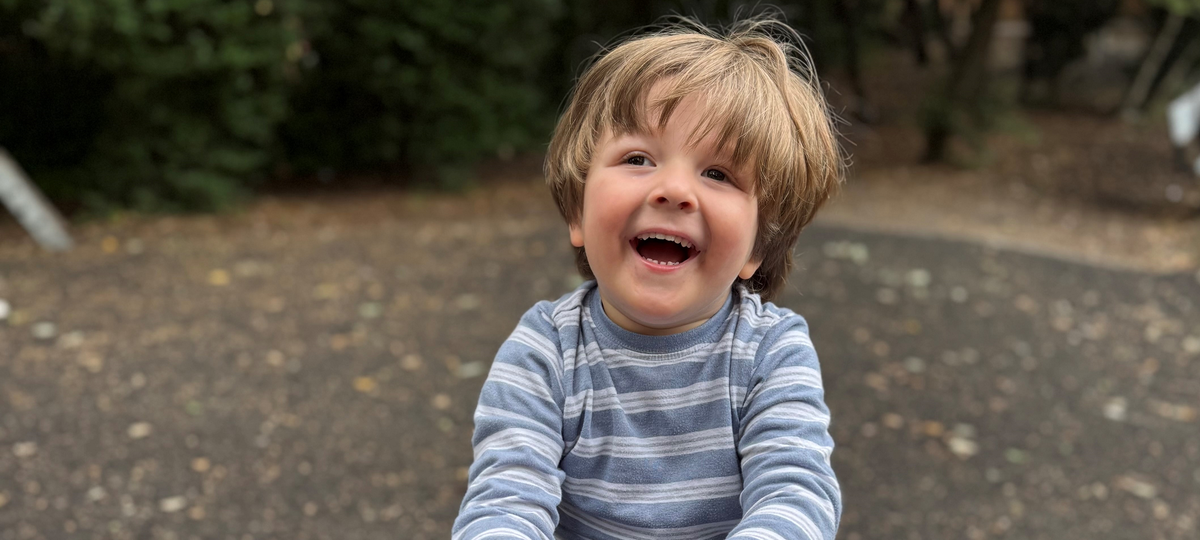
3-year-old Nathaniel Clayton started having problems with his vision when he was just 6 months old.
Clinicians initially planned to test a small section of his genes to help identify rare conditions affecting the eye. However, after consultation about his symptoms it was decided that he should have his whole genome sequenced.
The results showed that Nathaniel has KIF1A, a neurological condition caused by changes in the KIF1A gene that would not have been picked up without WGS. It can cause weakness in the legs, epileptic seizures, eyesight problems, and global developmental delay.
Although there is no current cure or treatment for KIF1A, having a diagnosis has been transformative for the family. Nathaniel now has access to specialist care, such as physiotherapy for children with movement disorders, and his parents, Marianne de la Roche and Thomas Clayton, have found a community of KIF1A families who provide support for each other. The family is also supported by Small Steps, a charity based in Richmond, London, that helps children with physical disabilities work on all areas of their development.
Marianne, Nathaniel’s mum, said: “Perhaps for parents that haven’t lived through this, a diagnosis without a treatment might not sound too transformative. But being able to put a name to this holds so much power, we can put a name to the grief that is in the room. Now we have a name we can begin finding the right support for our son, we can begin looking at the research, it is the start of the next phase of Nathaniel’s, and our families, journey.
“Nathaniel is such a sweet, well-natured boy. He is determined to prove people wrong and that he is more than his diagnosis. We love going swimming or to the park, and he adores music. He is learning to walk, hums his favourite songs all day, and has just learnt to take off his own socks!”
The diagnosis also helped Marianne and Thomas grow their family. Genomic testing showed that it was unlikely a second child would have the same condition as Nathaniel as it wasn’t inherited. Following genetic counselling Marianne gave birth to a healthy baby girl called Beatrice just 6 weeks ago.
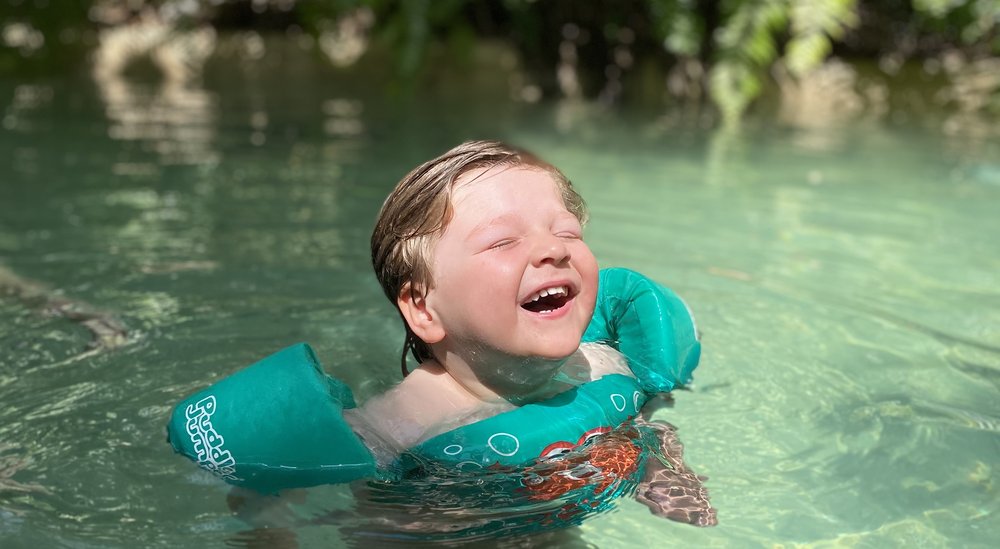
Nathaniel swimming
Improving care for patients
For the study, researchers investigated the clinical outcome of 500 patients at GOSH who had WGS through the North Thames GMS and compared that with almost 2,000 children who took part in the 100,000 Genomes Project. They found that the diagnostic rate in the GMS increased to 29% compared with 22% in the 100,000 Genomes Project.
They also found that the average age at diagnosis was about two years younger. Diagnosing children with genetic conditions at a younger age helps families access treatment and care earlier, providing children with a better prognosis and quality of life.
The researchers concluded that the 100,000 Genomes Project had raised awareness of genomic testing amongst clinicians, and found that testing more genes per patient would improve the effectiveness of a genetic test.
Dr Emma Wakeling, Consultant in Clinical Genetics and Genomic Medicine at GOSH, and study lead, said: “Thanks to insights from the 100,000 Genomes Project we’ve been able to improve our service for patients. Making a diagnosis earlier in life brings so many benefits to children and their families. By doing the right genomic test at the right time in a child's life we can best help families to access the care and treatment they need.
“The beauty of whole genome sequencing is that data can be reanalysed if new gene changes are identified through research. Down the line this could help find answers and cures for families where there are currently no, or limited, treatment options.”
Professor Dame Sue Hill, Chief Scientific Officer for England and senior responsible officer for Genomics in the NHS, said: “Genomic medicine is a key focus for the NHS because it gives us the chance to give families the first sign of hope by giving their child a clear diagnosis for the first time.
“Thanks to genomic testing in the NHS families like Nathaniel’s are getting crucial answers on average two years earlier – not only is this a huge relief for parents but it also means children with rare diseases can get faster access to treatments with a better chance of success.”

Update for patients and families on industrial action
Some of our resident doctors at Great Ormond Street Hospital will be taking part in planned industrial action from 7am on Friday 14 November to 7am on Wednesday 19 November.
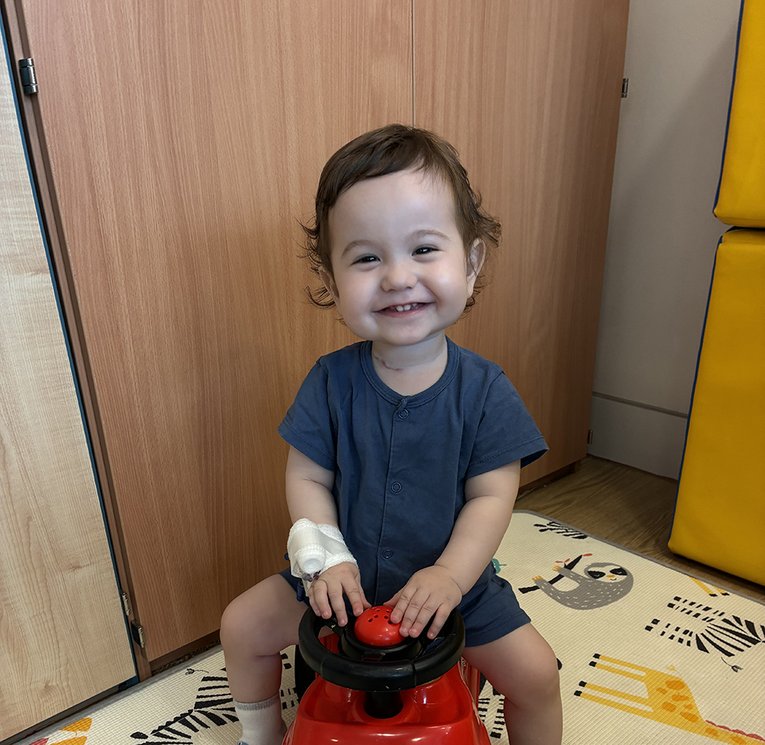
Engineered tissue offers hope for children born with ‘missing’ food pipe
Scientists from Great Ormond Street Hospital (GOSH) and University College London (UCL) have created the first lab‑grown oesophagus - the food pipe - shown to safely replace a full section of the organ and restore normal function, including swallowing, in
GOSH celebrates Rare Disease Day 2026 with local community
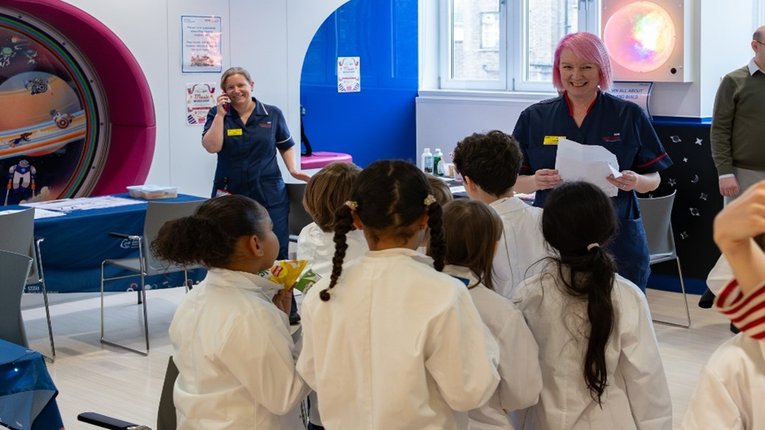
GOSH specialises in rare disease research and to celebrate, we recently invited two local North London Year 4 classes to join us for the day to learn about how we care for patients with rare diseases.
Professor Francesco Muntoni wins prestigious research prize
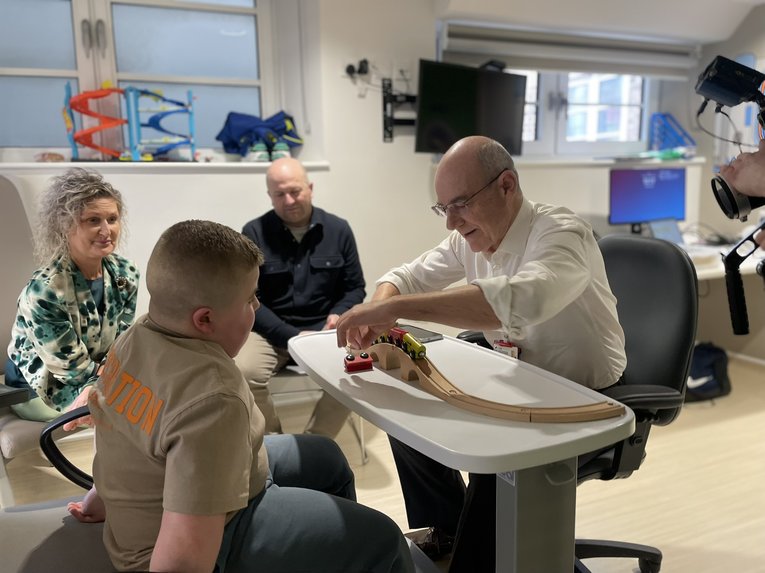
Professor Francesco Muntoni, GOSH Paediatric Neurology Consultant, has been awarded the 2026 Novo Nordisk Prize in recognition of his pioneering work transforming the outlook for children with Duchenne muscular dystrophy (DMD).