
https://www.gosh.nhs.uk/news/little-boy-thriving-after-life-saving-heart-surgery-planned-with-virtual-reality/
Little boy thriving after life-saving heart surgery planned with virtual reality
27 Nov 2026, 3:07 p.m.
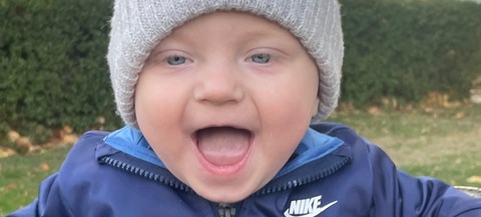
A one-year-old boy with a rare and complex congenital heart defect is thriving after surgeons at Great Ormond Street Hospital for Children (GOSH) used virtual reality technology to help plan a life-changing operation for him.
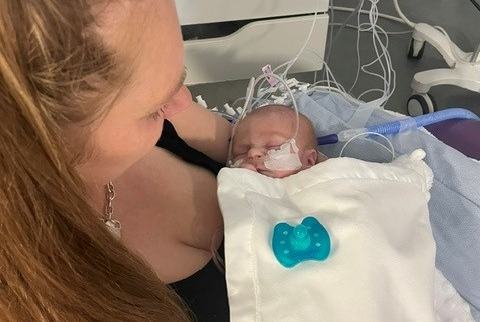
Rudy was born prematurely, weighing just 3lbs and 15oz, at University College London Hospitals (UCLH), with a complex heart condition known as double outlet right ventricle (DORV), a condition in which both the aorta and pulmonary artery connect to the right ventricle instead of connecting to separate ventricles. DORV occurs alongside a ventricle septal defect (VSD), a hole between the lower heart chambers and means blood cannot flow through the heart and lungs as it should.
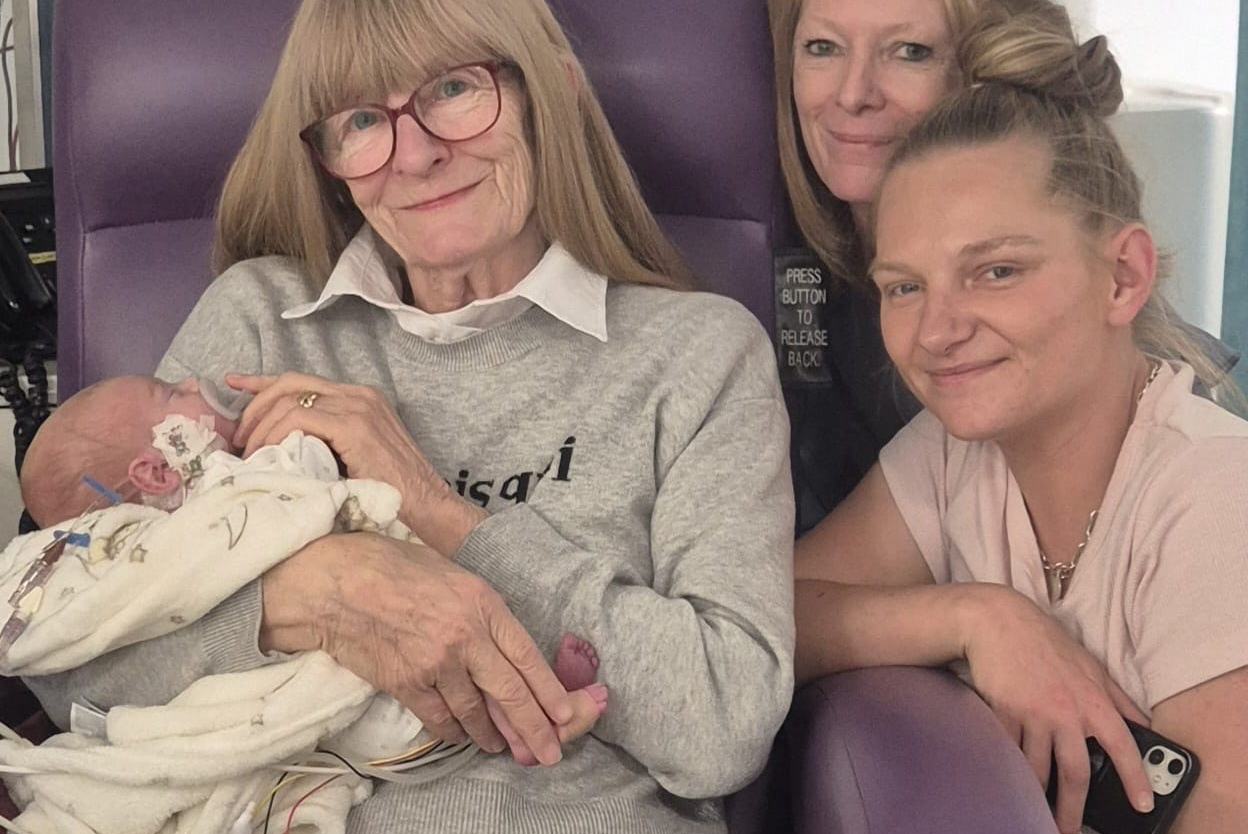
At just 12 days old, Rudy was transferred to GOSH via The Children’s Acute Transport Service (CATS) and had a cardiac arrest. Once at GOSH, he underwent a palliative procedure to improve blood flow to his lungs and stabilise him. Without surgeons buying him time to grow enough to cope with the major surgery he needed, Rudy would not have survived.
As Rudy grew, specialists needed to determine whether a full repair of his heart was possible. To support this decision and carefully plan the operation, the team led by Martin Kostolny, Consultant Cardiac Surgeon, combined echocardiograms (echoes), CT imaging and advanced 3D reconstructions to create an immersive virtual reality (VR) model of Rudy's heart - one of the smallest ever done at GOSH.
VR helped to plan complex operation
VR is used across GOSH in a range of specialities. It allows clinicians to prepare for complex surgeries, particularly in cases where anatomy is especially unusual or difficult to visualise using conventional imaging alone, which in Rudy's case was vital.
Thanks to VR, the surgical team were able to better understand the complex anatomy of Rudy’s heart and carefully plan the procedure to give him the best possible chance.
Mr Kostolny, Consultant Cardiac Surgeon at GOSH, said: "Rudy's heart defect was particularly complex. The VR model allowed us to study his heart in much greater detail than we could through scans alone and helped us understand how the muscles and valves inside his heart were arranged.
"VR it helped us determine whether a complete repair would be possible and how we could safely achieve it. As surgeons, we always want to have a clear plan before undertaking a complex procedure, and the VR gave us an extra level of confidence and reassurance."
In April this year, Rudy underwent the definitive operation. During the four-and-a-half-hour procedure, surgeons reconstructed his heart to establish a more normal circulation. The team carefully reshaped muscle tissue closed the hole between the heart chambers and redirected blood flow so the heart could pump blood to the lungs and body as intended.
The operation was a success, and Rudy's heart is now stable and circulating blood as normal. The team hope the repair will significantly reduce the number of major surgeries he may need in the future. Although further treatment may be needed if any problems with arise later in life, doctors are optimistic that the repair will allow Rudy to enjoy a healthy and active future.
Rudy is now thriving
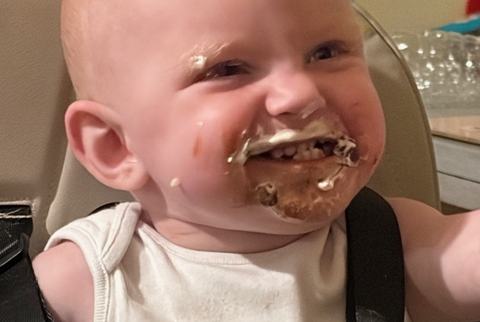
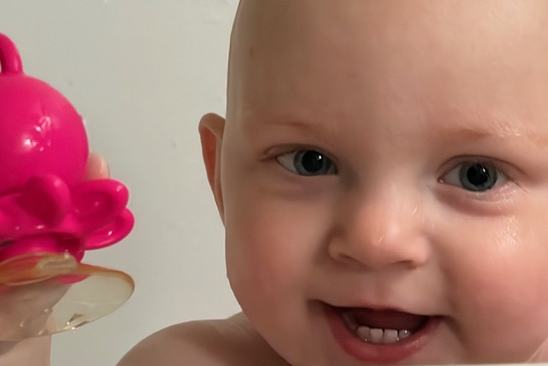
One-year-old Rudy is a very different child from the tiny baby who arrived at GOSH critically ill. He is now a happy, cheeky boy and his family are looking forward to a future they thought they may not have with him.
Rudy's mum, Blue said: "When Rudy was first born, we were given very little hope. It was incredibly frightening and I wasn't sure what his future would look like.
"The team explained how they used virtual reality to look at Rudy's heart because it wasn't structured normally. Knowing they could plan the surgery in such detail gave us confidence. We're so grateful to everyone who cared for him."
"Now he's awake more, he has so much energy, he's much happier and he's feeding well. Seeing those changes has been incredible."
VR Hearts at GOSH
GOSH currently uses virtual reality technology in around 20 of its most complex cardiac operations each year. The technology enables surgeons to better understand intricate heart anatomy, prepare for challenging procedures and support decision-making for children with rare and complex heart conditions. Clinicians hope innovations such as virtual reality will continue to improve surgical planning and outcomes for children with rare and complex heart conditions.
Much of the work of the VR Hearts team has taken place in the Noé Heart Centre Labs in the Zayed Centre for Research, which have been generously funded by the Noé family on behalf of the Rachel Charitable Trust. The Noé Heart Centre Labs bring together five critical labs that support research into new treatments and underpin cardiac clinical care at GOSH.