https://www.gosh.nhs.uk/news/lifesaving-uk-first-intervention-reverses-young-boys-heart-failure-2/
Life‑saving UK first renal intervention reverses young boy’s heart failure
18 Jun 2026, 10 a.m.
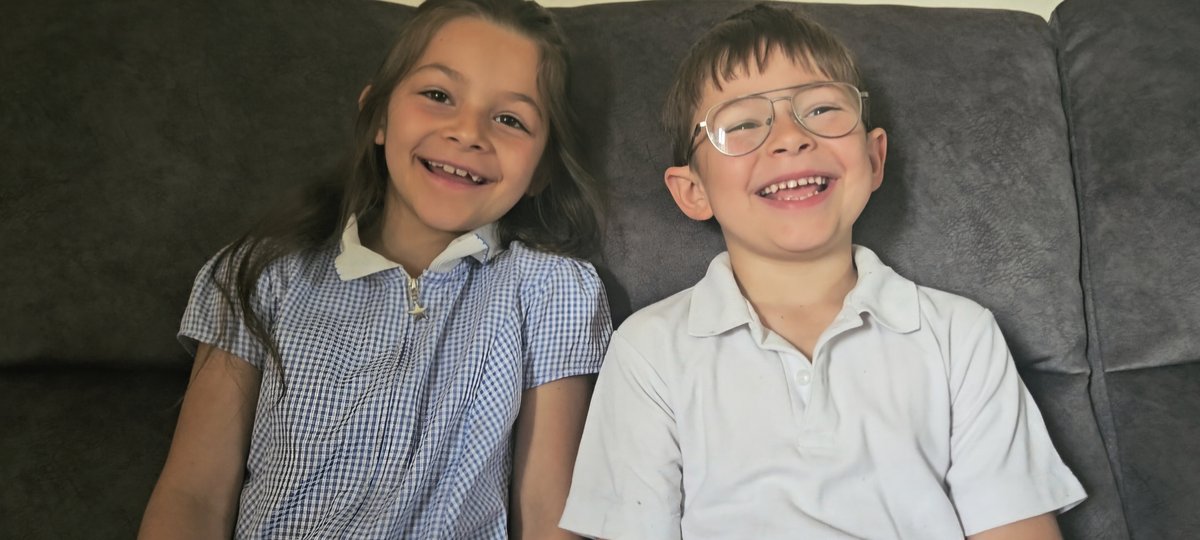
Specialists at Great Ormond Street Hospital (GOSH) have worked together to perform a life-saving intervention on a young boy with heart failure previously considered irreversible.
After exhausting all standard treatment options, Elliot Atkins was about to be placed on a palliative care pathway when his family were offered a never‑before‑performed intervention in children with heart failure. The intervention, called a renal angioplasty, would widen his blood vessels and improve his blood pressure control, helping his heart grow strong enough to eventually have vital surgery.
This was only made possible at GOSH due to the hospital’s unique expertise, access to specialist equipment, and experience of treating the rarest conditions in children.
Now seven years old, Elliot is thriving and looking forward to taking part in his school sports day for the first time this summer, a milestone once thought impossible.
Building on Elliot’s success, his clinical team are now helping other children, offering new hope to families where only palliative care had once been possible.
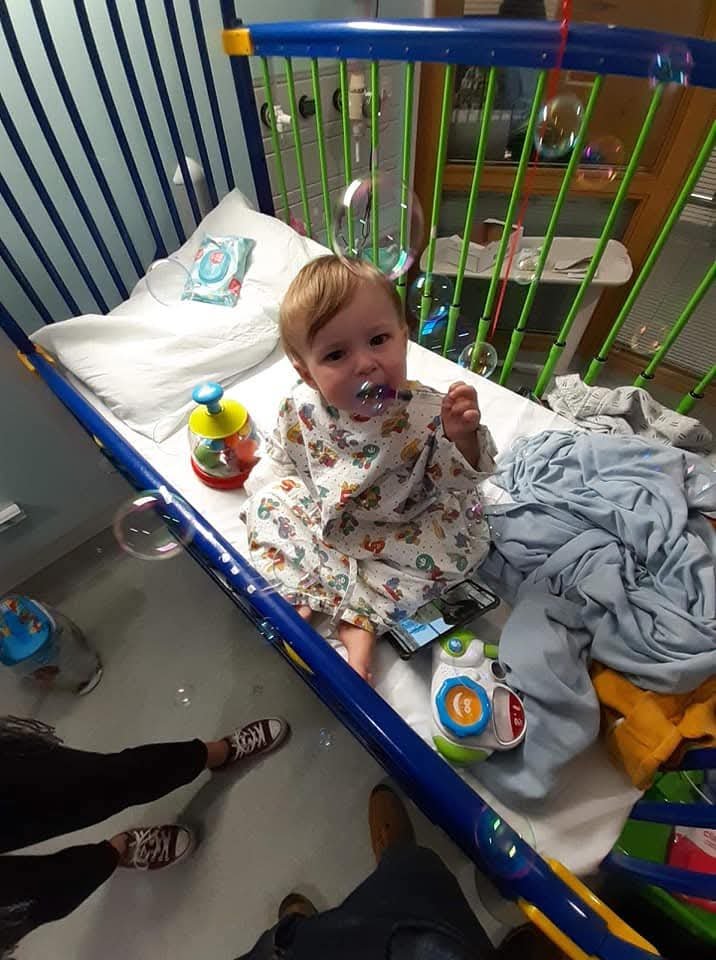
Elliot at GOSH blowing bubbles
Elliot's story
Elliot was just 11 months old when he first became unwell. After developing a respiratory infection, he was rushed to his local hospital, where tests revealed he'd gone into heart failure.
Further investigations at GOSH led to a diagnosis of middle aortic syndrome, a one-in-a-million condition in which the aorta, the body’s main blood vessel, and vessels bringing blood to kidneys become severely narrowed. This can significantly reduce blood flow, raise blood pressure, and place extreme strain on the heart, kidneys, brain and eyes.
With such advanced heart failure, major surgery was initially considered too high risk for Elliot. Instead, a multidisciplinary team of doctors, nurses and healthcare professionals came together to carefully plan a series of angioplasty procedures. This technique involves guiding a small balloon into narrowed blood vessels and inflating it to widen them, improving blood flow.
While a renal angioplasty is a routine treatment in adults, it has not traditionally been considered possible for children with severe heart failure. In Elliot’s case, these procedures were able to act as a vital ‘bridge’ to major surgery, helping to buy precious time and allowing his heart to grow stronger until he was able to withstand a long and complex operation.
This high-risk procedure is only possible at GOSH, a quaternary hospital, due to the co‑location of renovascular and heart failure services, as well as anaesthetic and intensive care expertise on one site. Clinicians across over six specialties were able to jointly assess risk, plan every stage of care in detail, and provide immediate specialist support before, during and after surgery.
Elliot's mum, Amy Govier, said: “When we were told that Elliot was in heart failure there was a lot of teams, we were scared and in full panic. There was a lot of difficult conversations about what could be done for him as the clinical team weren’t sure if he would make it through everything. The angioplasty was possible because so many teams worked together to help Elliot."
By the age of two, Elliot had undergone six angioplasties, which improved his blood pressure control and heart function.
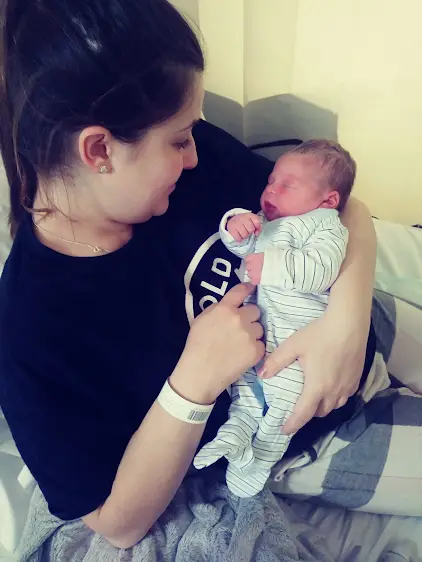
Elliot at GOSH with Mum, Amy
From palliative care to recovery
Despite these interventions, Elliot’s condition worsened rapidly at the age of three. His blood pressure became critically high, and doctors removed his right kidney in an effort to reduce it. Alongside this life‑saving surgery, Elliot was also supported through a palliative care pathway focused on comfort and managing symptoms.
With his kidney function declining further last year, thanks to the previous interventions acting as a ‘bridge’, the team at GOSH were able to offer Elliot’s family a lifeline, a complex combined aortic bypass and kidney auto transplant. The surgery involved creating a new route for blood flow around the narrowed section of Elliot’s aorta using a specially designed synthetic graft, while relocating his kidney to improve its blood supply and help control his blood pressure.
Amy said: “Elliot looked like such a well child, it was hard to match that with how unwell we were being told he was. It was a hard decision, but we trusted that GOSH would do the best for Elliot. We felt we had to give him every possible chance.”
After undergoing the successful 12‑hour operation last July, Elliot was able to go home within three weeks.
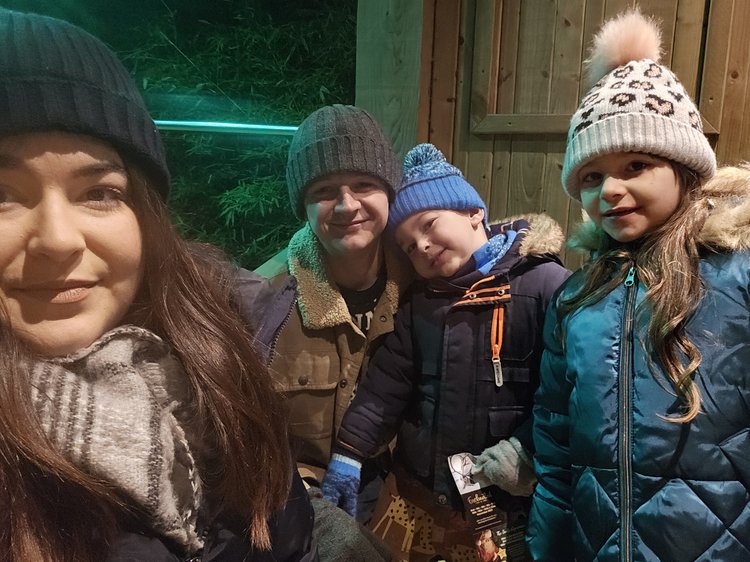
Elliot and Amy with Dad, Thomas and sister, Miya
A year on, Elliot is thriving and enjoying life at home in Colchester, Essex with his mum, Amy, dad, Thomas, and older sister Miya. His blood pressure is controlled, he has cut down his medications by two thirds, and he has normal kidney and heart function. With additional length built into the aortic graft, Elliot is not expected to need any further surgery.
Amy added: “Elliot knew he had a poorly heart, and that he wasn’t as fast as others, or that there were some things he couldn’t do. Now he’s sprinting off, eating everything, and keeping up with his friends - doing everything a little boy should.
“Without GOSH being able to do what they do between all the teams, and without everyone involved, Elliot wouldn’t be here today.”
GOSH is home to the UK’s largest national renovascular service for children, and the largest of its kind in Europe.
Since Elliot’s first angioplasty in 2020 the teams at GOSH have gone on to perform renal angioplasty procedures for other children in heart failure. They continue to refine the approach, helping to expand treatment options for patients who may previously have been limited to palliative care.
Dr Jelena Stojanovic, Elliot’s clinician and lead for the kidney transplant and renovascular service, said: “Seeing Elliot doing so well is incredibly rewarding. At GOSH, our teams work together to care for children with the rarest and most complex conditions, this means we often use our collective expertise to push the boundaries of what is possible and treat the elsewhere untreatable conditions. Elliot’s recovery reflects the skill, determination and commitment of everyone involved to provide the best possible care.”