https://www.gosh.nhs.uk/news/launching-our-patient-safety-incident-reporting-plan-psirp/
Launching our Patient Safety Incident Reporting Plan (PSIRP)
20 Feb 2024, 4 p.m.
GOSH has launched its new Patient Safety Incident Reporting Plan (PSIRP).
This plan outlines how we as an organisation will look at patient safety incidents, what tools will be used to investigate and how it will share and embed learning into everyday work.
The plan's objective
PSIRP forms part of the national Patient Safety Incident Response Framework (PSIRF), introduced by NHS England, which removes the requirement that only incidents meeting the criteria of a “serious incident” are investigated.
There will be greater engagement with those affected by safety events, including patients, families and colleagues, ensuring that they are treated with compassion and able to be part of an investigation.
Shona Little, Head of Patient Safety explains:
"PSIRF is about moving away from the idea of blaming one person or finding a single cause of something going wrong. We know that our colleagues come into work every day to give amazing care to our patients.
"This will help us make sure that if something does go wrong we have a greater set of tools to learn and embed new safety measures, with a focus on also learning from all of the excellent practice and care which is delivered every day in GOSH."
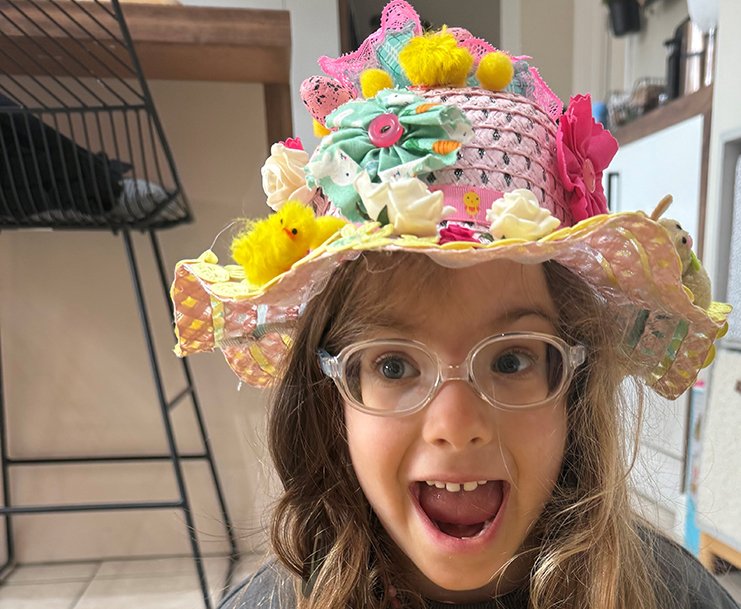
NHS eye gene therapy restores Saffie's sight
Saffie has had her sight restored thanks to life-changing eye gene therapy for rare blindness at GOSH
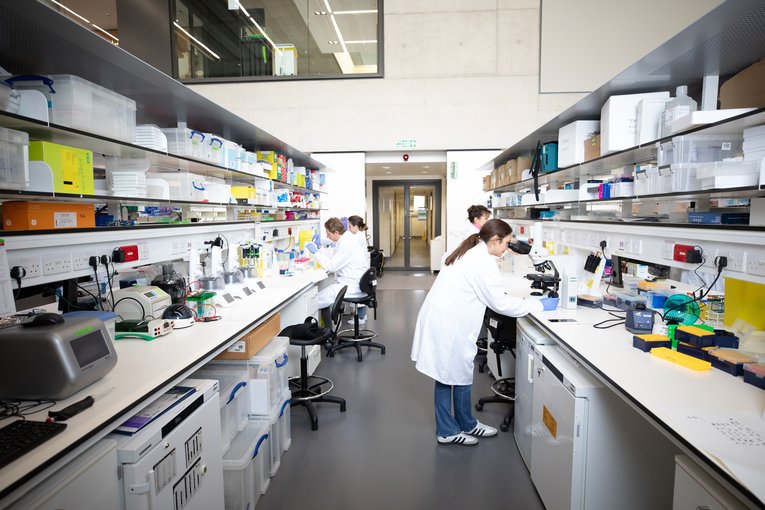
£3M study led by patient voices targets pain in inflammatory arthritis
A new £3 million research programme involving Great Ormond Street Hospital and University College London researchers aims to tackle one of the largest unmet clinical needs in inflammatory arthritis – pain reduction.

Transport for London (TfL) strikes: April and May 2026
There are upcoming London Underground strikes planned which may affect your journey to GOSH.
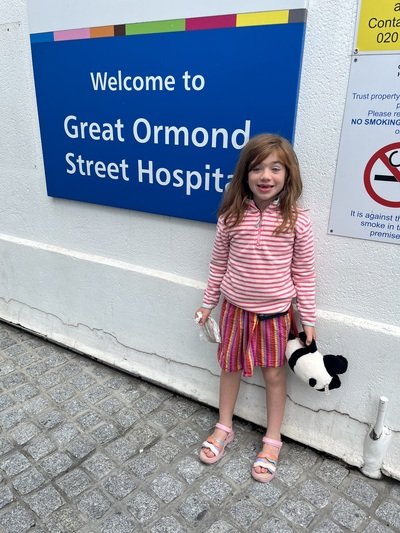
Liquids to solids: the simple trick transforming children's lives and saving thousands of pounds
Switching children and young people’s medication from liquids to pills can transform their lives and save thousands of pounds for the NHS at the same time.