https://www.gosh.nhs.uk/news/gosh-joins-partnership-to-boost-early-diagnosis-and-deliver-better-treatments/
GOSH joins partnership to boost early diagnosis and deliver better treatments
12 Feb 2026, 11:42 a.m.
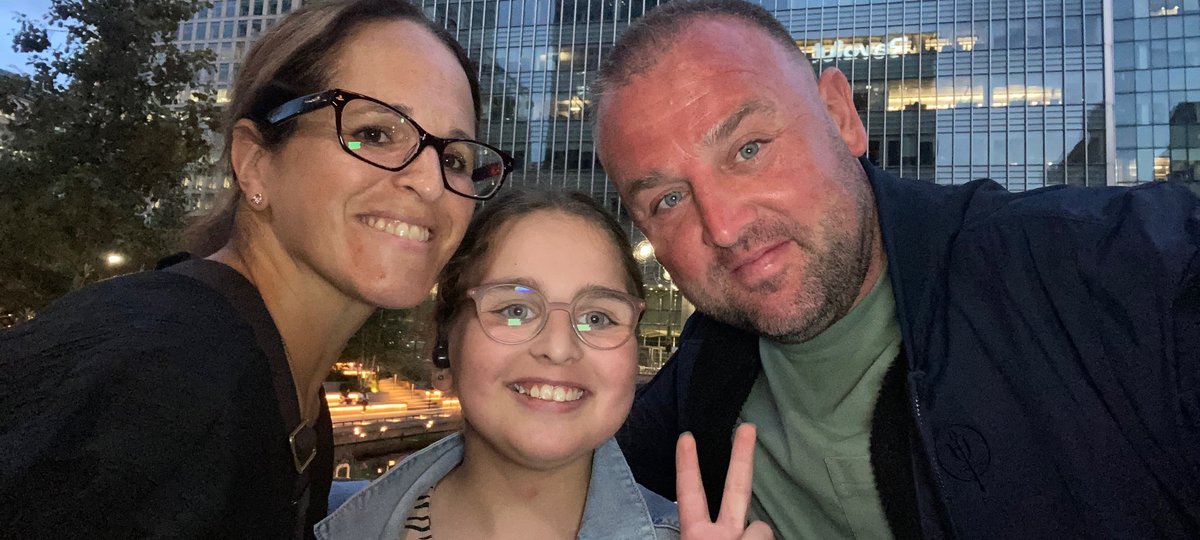
Great Ormond Street Hospital (GOSH) is partnering with LifeArc, a charity dedicated to rare disease research, to set up KidsRare - a new initiative to help deliver more tests and treatments for children living with a rare disease.
The project will drive the secure use of health data to develop insights and breakthroughs that could turbocharge rare disease research and help the thousands of children diagnosed with rare diseases every year in the UK.
Rare disease health data is often fragmented and disconnected due to small numbers living with the conditions, which can hold back research. There is an urgent need for change with more than three million people in the UK living with a rare disease, and approximately 70 per cent of those diseases affecting children. Currently 95 per cent of rare diseases have no approved treatments.
Harnessing the power of data through partnership
The programme will, for the first-time, allow researchers to harness the potential of high-quality health data sets that exist across different hospitals across the UK for children and young people in the UK living with a rare disease.
Connecting data in this way makes it possible to generate insights and breakthroughs based on what health data is saying about a patient, which can support our ability to diagnose and deliver the right treatments and care, at the right time.
Professor Neil Sebire, Chief Research Information Officer at GOSH, said, “Harnessing paediatric specialist data is pivotal for rare disease research. Collaboration is key to securely transform data that is locked in multiple, unconnected locations into insights that accelerates innovation and improve outcomes for children with rare disease.”
This first-ever health data resource could make the UK a go-to for innovation and research in rare diseases which affect more than 300 million people around the world.
Making a difference for Lucia
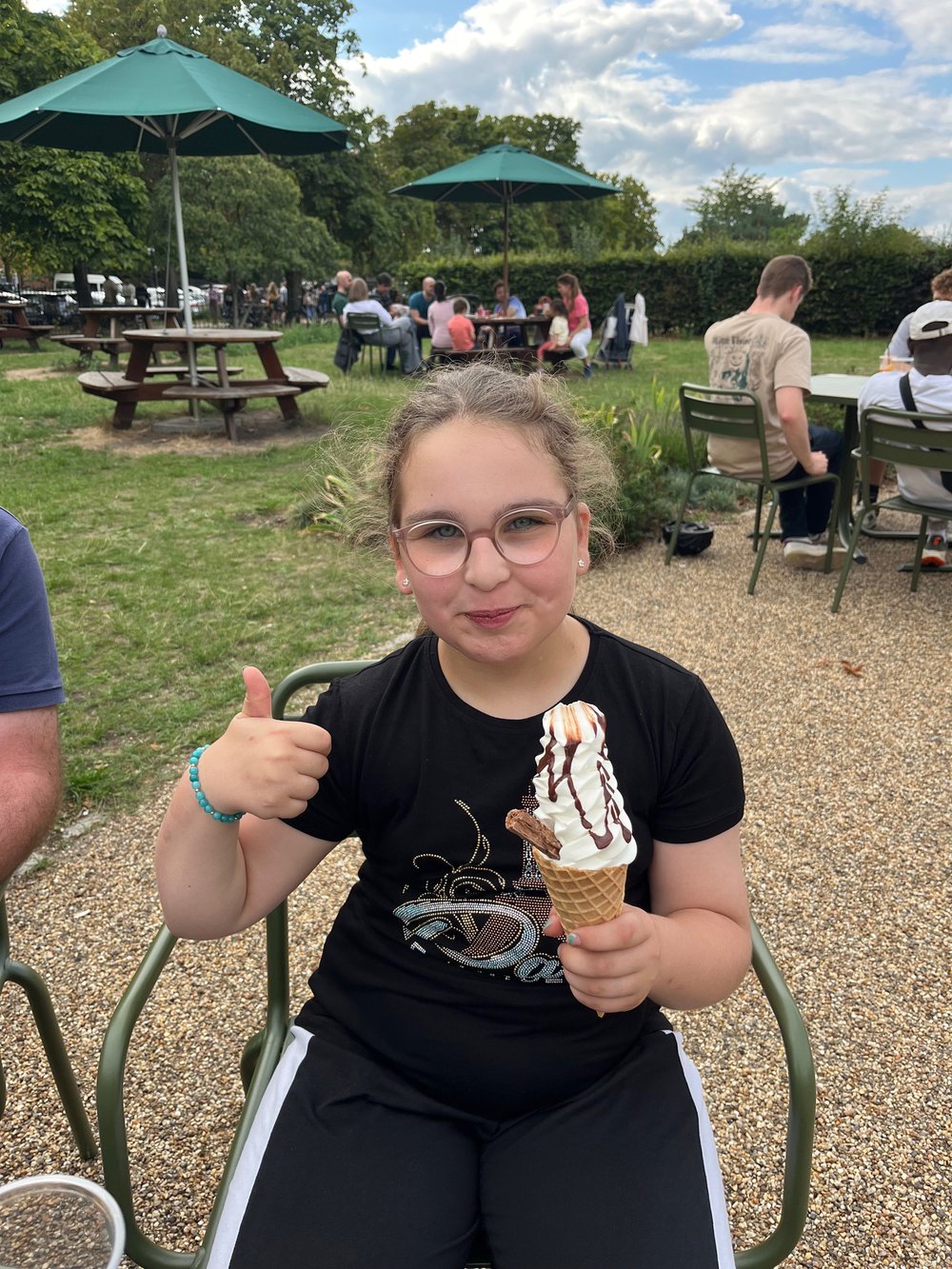
The impact of connecting data in this way is clear for Francesca whose daughter, Lucia, was diagnosed with a rare condition, Hao Fountain Syndrome. This can lead to developmental delay, speech issues and problems with vision.
“From birth, we knew that something wasn’t quite right. Lucia wasn’t weight bearing at nine months, she had issues with her vision which meant she was very short-sighted and she wasn’t able to speak until she was three years old. We spoke to doctors and they said she had global developmental delay but used this term because they didn’t know the cause. This carried on for many years, and it made it hard to get the support we needed.”
It wasn’t until they were referred by a specialist to take part in the 100,000 Genomes Project run by Genomics England that they had a breakthrough.
“We had a call one day out of the blue that said that they had a diagnosis for Lucia – Hao Fountain Syndrome. They had been able to make the diagnosis because they had access to more data. Knowing the name of the condition allowed us to speak to other families about their experience, to build a community of support and prepare for the future.”
“Having this data made this possible, and we want this for more families living with a rare disease. Children need the best start in life and getting a diagnosis sooner means having more knowledge, and maybe, in the future, it could help lead to new treatments. The KidsRare initiative could really change so many lives.”
This initiative builds on work already undertaken by the GOSH and the Children’s Hospital Alliance through the GOSH DRIVE (Data Research, Innovation and Virtual Environments) unit. It follows the highest standards of data security and only approved researchers can access to the anonymised health data it contains.
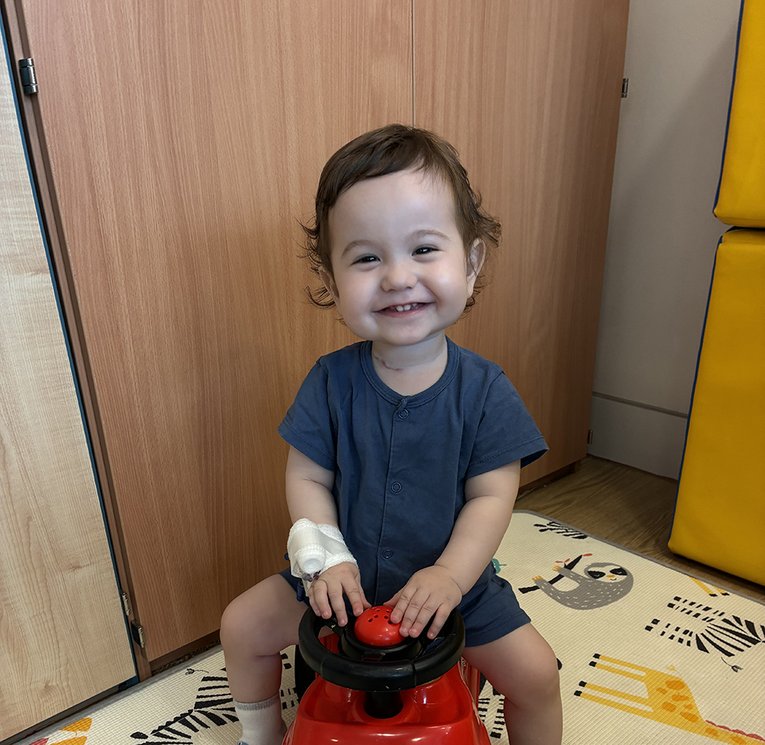
Engineered tissue offers hope for children born with ‘missing’ food pipe
Scientists from Great Ormond Street Hospital (GOSH) and University College London (UCL) have created the first lab‑grown oesophagus - the food pipe - shown to safely replace a full section of the organ and restore normal function, including swallowing, in
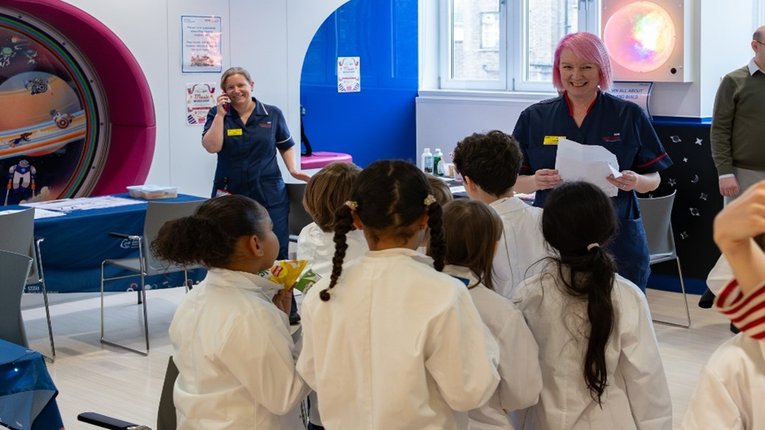
GOSH celebrates Rare Disease Day 2026 with local community
GOSH specialises in rare disease research and to celebrate, we recently invited two local North London Year 4 classes to join us for the day to learn about how we care for patients with rare diseases.
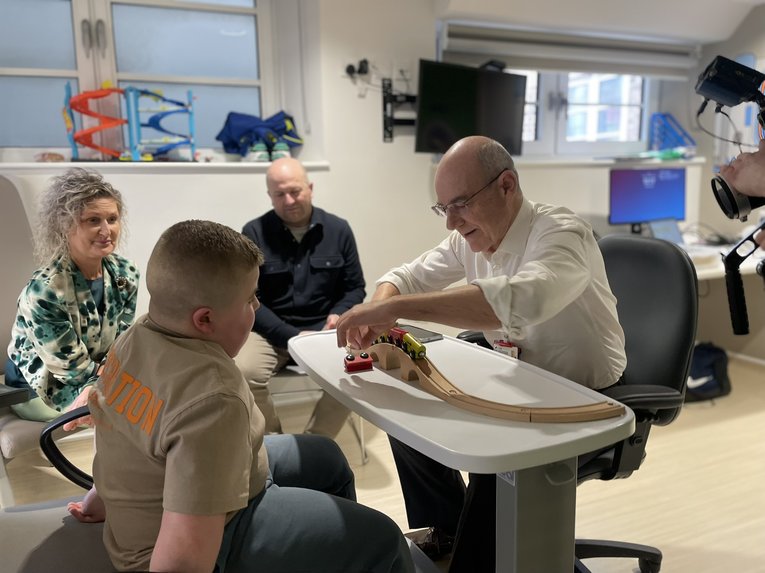
Professor Francesco Muntoni wins prestigious research prize
Professor Francesco Muntoni, GOSH Paediatric Neurology Consultant, has been awarded the 2026 Novo Nordisk Prize in recognition of his pioneering work transforming the outlook for children with Duchenne muscular dystrophy (DMD).
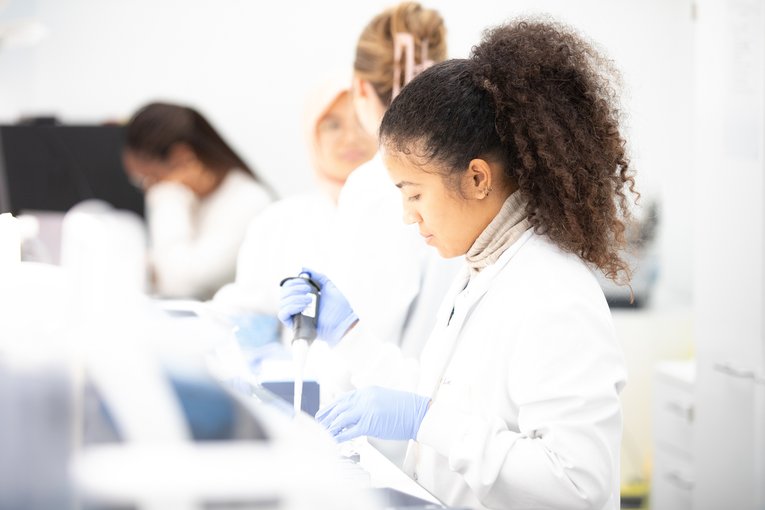
GOSH secures £1.4m in NIHR capital equipment funding to boost research capability
This investment will significantly strengthen our research infrastructure and enhance our ability to deliver world‑leading paediatric research across the whole hospital.