
https://www.gosh.nhs.uk/our-research/our-research-infrastructure/nihr-great-ormond-street-hospital-brc/brc-news/clinical-trial-investigate-treatment-acute-lymphoblastic-leukaemia-open-gosh/
Clinical trial to investigate treatment of acute lymphoblastic leukaemia to open at GOSH
28 Jun 2016, 2:12 p.m.

A Phase I clinical trial (CARPALL) has opened at Great Ormond Street Hospital (GOSH) to investigate the use of immunotherapy with genetically modified T cells for acute lymphoblastic leukemia (ALL). The trial is led by Professor Persis Amrolia, who is supported by the NIHR Great Ormond Street BRC.
Relapse is the primary cause of treatment failure for paediatric ALL with 25 children in the UK dying per year from untreatable leukaemia relapse. Emerging data shows unprecedented responses to immunotherapy, with genetically redirected T cells expressing second-generation chimeric antigen receptors (CARs) enabling them to recognise and kill ALL cells. However, it is unclear how sustained these remissions are, as most responding patients have been consolidated with stem cell transplant (SCT).
The trial will take place at GOSH, University College London Hospital (UCLH) and Manchester Children’s hospital. It aims to treat 15 children and young adults with high-risk relapsed ALL to investigate the durability of responses to CD19CAR T cells, and whether this strategy could remove the need for SCT. If successful, it could mean that the short term mortality and late toxicities of SCT could be avoided.
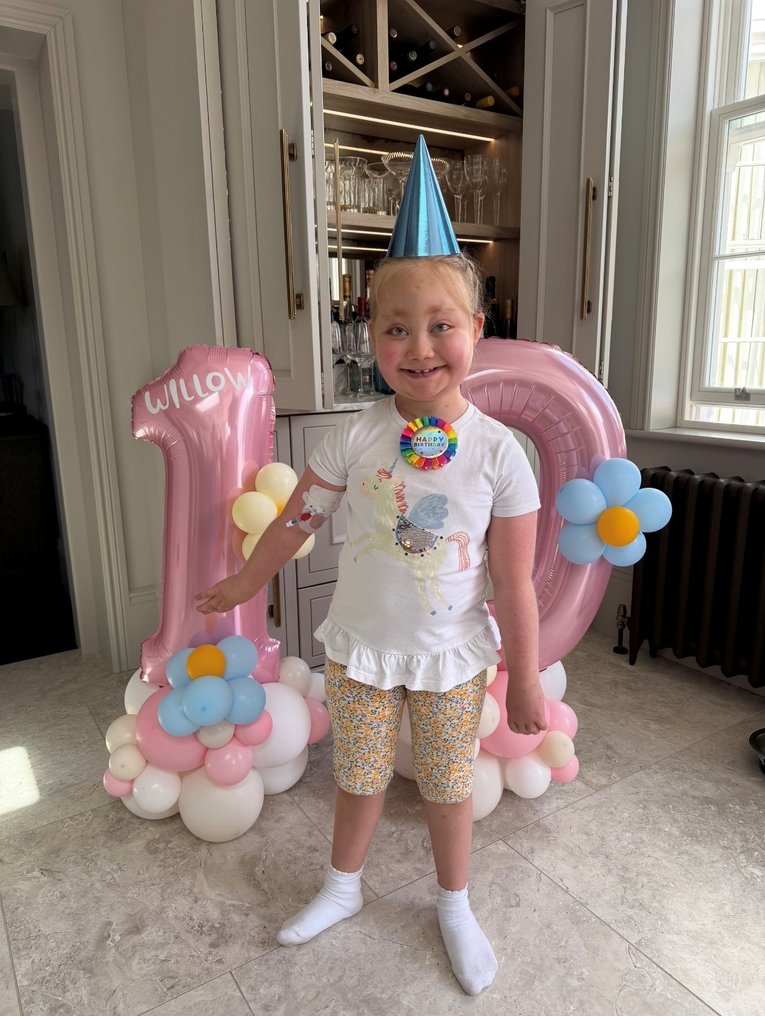
World-first same-day metagenomics for children can detect hidden infections in intensive care
GOSH has successfully implemented a pioneering same-day respiratory metagenomics testing service for children in intensive care, helping clinicians identify infections more quickly and make better-informed treatment decision
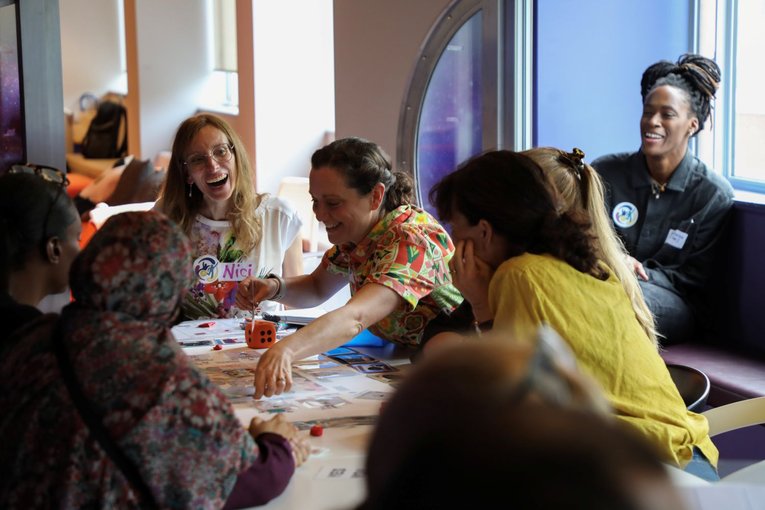
GOSH families at the heart of major £6m project to improve support for children with complex needs
Children, young people and families from GOSH will help shape a major new research programme
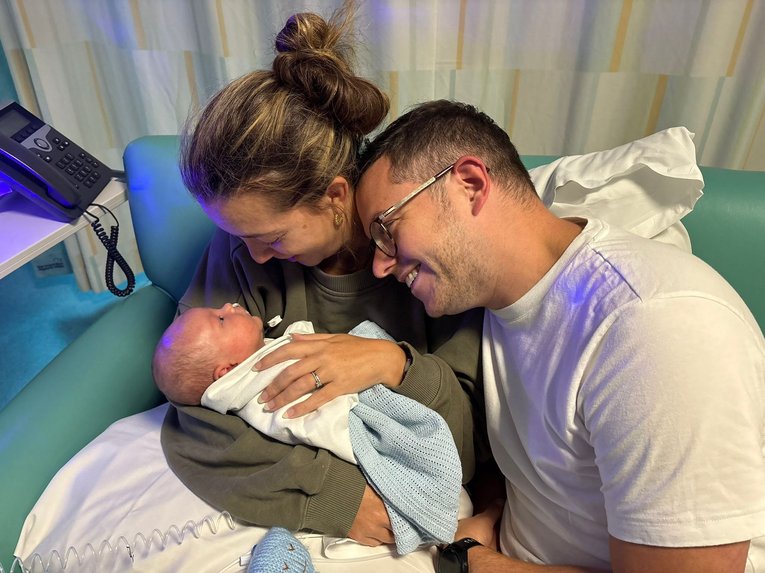
Thousands join world-first trial to save lives of critically ill children
Some of the sickest children in the UK have started to join an innovative clinical trial designed to improve the survival and recovery of children requiring intensive care treatment, led by GOSH.

GOSH surgeon receives prestigious international award
Professor Paolo De Coppi, Consultant Paediatric Surgeon at Great Ormond Street Hospital (GOSH), has been recognised as an Honorary Fellow of the American College of Surgeons (ACS), one of the most prestigious honours in global surgery.