
https://www.gosh.nhs.uk/our-research/our-research-infrastructure/nihr-great-ormond-street-hospital-brc/brc-news/using-new-wearable-technology-monitor-niemann-pick-disease/
Using new wearable technology to monitor Niemann-Pick disease
22 Mar 2016, 4:15 p.m.

A smartphone app, combined with wearable technology, will allow doctors to remotely monitor patients with conditions that limit their ability to voluntarily move their muscles. The app, known as 'aparito', uses a motion-tracking writsband to record the movements of patients with ataxia, and other related ambulatory conditions.
The data from the tracker is sent via a smartphone app, where it can be combined with other information such as medication adherence and events such as falls or seizures. Healthcare professionals can have constant access to this information via the web.
Great Ormond Street BRC-researcher Professor Paul Gissen, has been working closely with aparito, and Great Ormond Street Hospital is to be the first in the UK to use this new wearable technology in clinical practice. Patients could receive fewer tests and have shorter hospital visits by using the app, which will monitor routine activity in a continuous, non-invasive way.
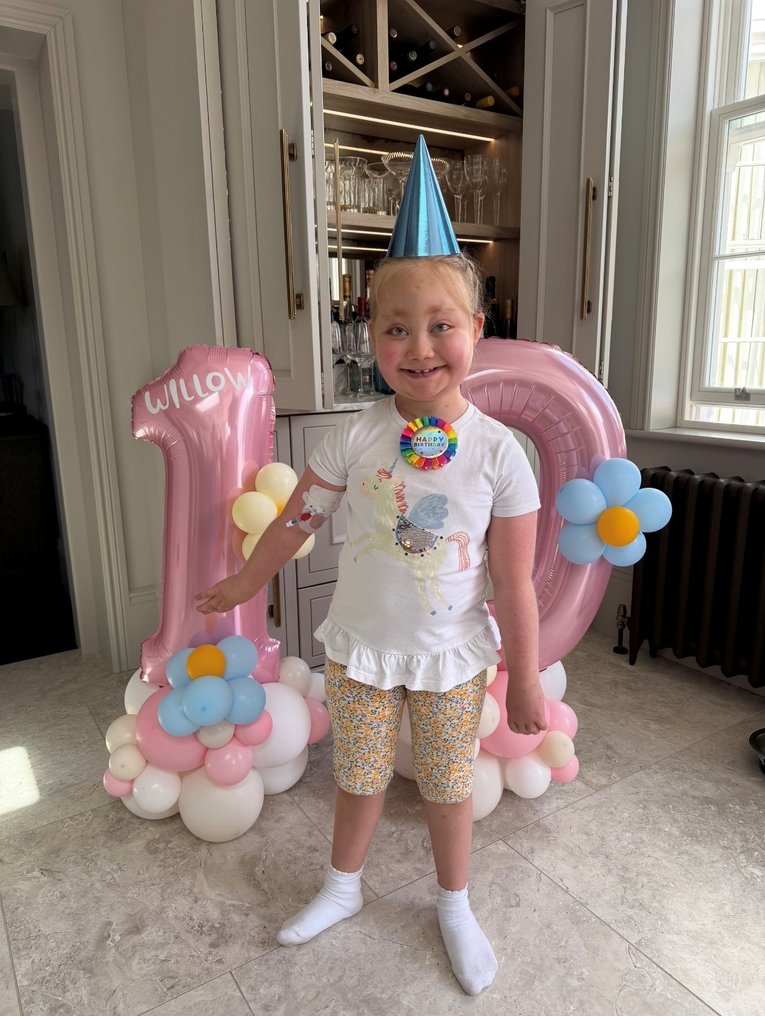
World-first same-day metagenomics for children can detect hidden infections in intensive care
GOSH has successfully implemented a pioneering same-day respiratory metagenomics testing service for children in intensive care, helping clinicians identify infections more quickly and make better-informed treatment decision
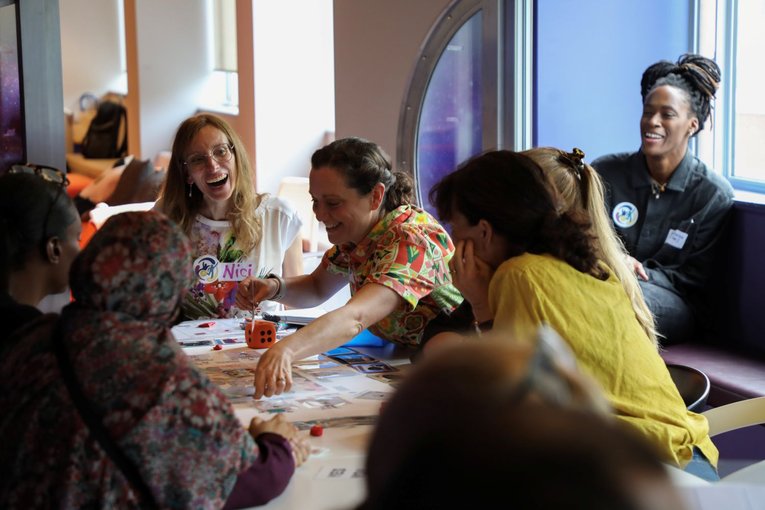
GOSH families at the heart of major £6m project to improve support for children with complex needs
Children, young people and families from GOSH will help shape a major new research programme
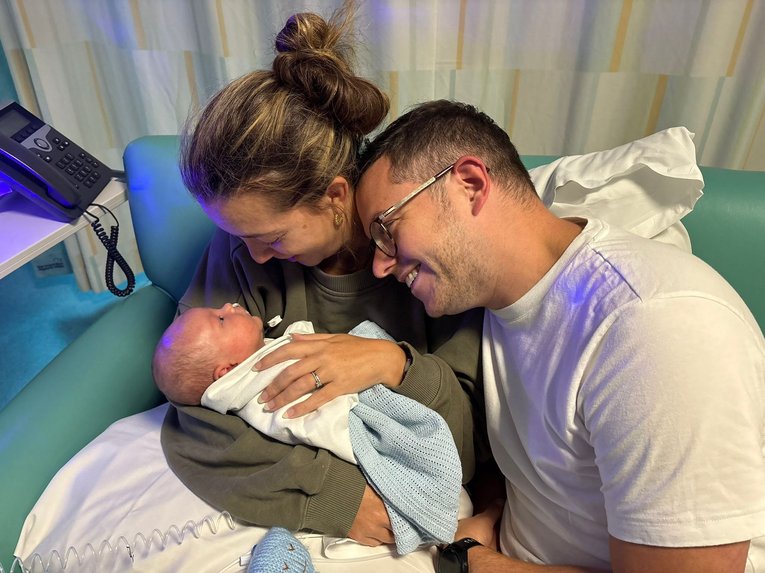
Thousands join world-first trial to save lives of critically ill children
Some of the sickest children in the UK have started to join an innovative clinical trial designed to improve the survival and recovery of children requiring intensive care treatment, led by GOSH.

GOSH surgeon receives prestigious international award
Professor Paolo De Coppi, Consultant Paediatric Surgeon at Great Ormond Street Hospital (GOSH), has been recognised as an Honorary Fellow of the American College of Surgeons (ACS), one of the most prestigious honours in global surgery.