
https://www.gosh.nhs.uk/our-research/our-research-infrastructure/nihr-great-ormond-street-hospital-brc/brc-news/novel-mutation-lhx4-leads-severe-form-hypopituitarism/
Novel mutation in LHX4 leads to a severe form of hypopituitarism
9 Sep 2015, 4:47 p.m.
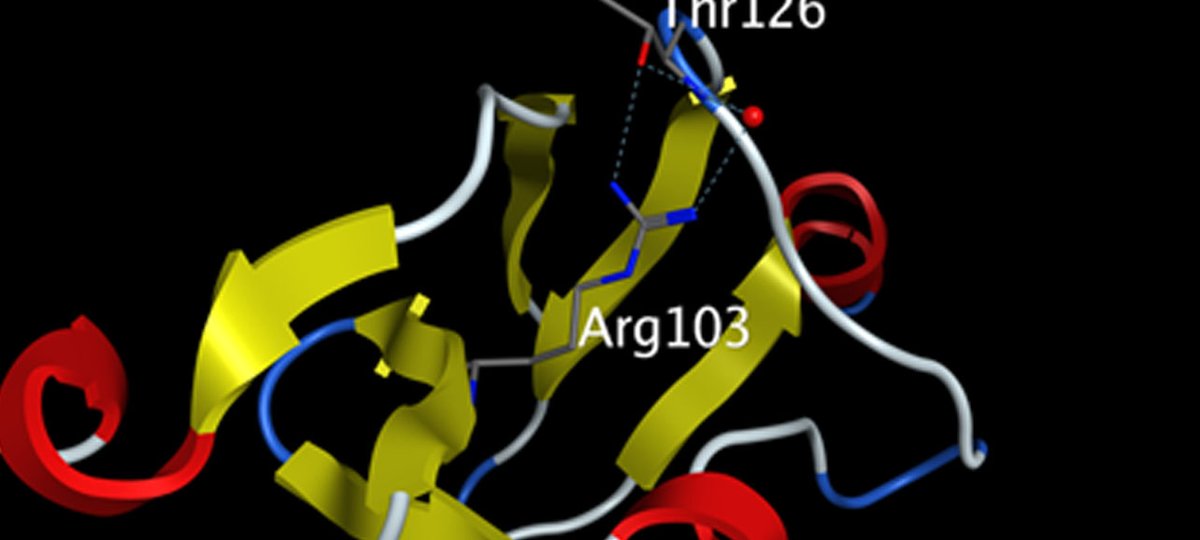
Researchers at GOSH and ICH have been the first team to identify a novel recessive mutation in the transcriptional regulator LHX4 in a family with severe hypopituitarism – a condition that describes the loss of all pituitary hormones.In this study, 97 unrelated patients with the loss of more than one pituitary hormone were screened for mutations in the LHX4 gene. From this screening, two brothers were identified with a missense mutation on both copies of this gene, termed ‘homozygous’ mutations. Sequencing of the unaffected parents’ DNA showed that they both only carried one copy of the mutation, suggesting that one copy of the mutation was inherited from each parent. Despite early intervention with hormone therapy, both boys died within one week of birth.
LHX4 encodes a member of the LIM-homeodomain family of transcription factors that is required for normal development of the pituitary gland. To date, mutations in ;LHX4 have only been described in patients carrying a mutation on one allele, resulting in varying loss of pituitary hormones. This is the first report describing a homozygous LHX4 variant in a patient. The authors propose that impaired protein formation, such as decreased binding of LHX4 to its protein partners, may be a possible mechanism that leads to this lethal condition.
These findings were published by Professor Mehul Dattani in the Journal of Clinical Endocrinology and Metabolism. Professor Dattani is a BRC-supported investigator and Louise Gregory (the lead author on the publication) is a recipient of the 2015 BRC Doctoral Support Fund.
World-first same-day metagenomics for children can detect hidden infections in intensive care
GOSH has successfully implemented a pioneering same-day respiratory metagenomics testing service for children in intensive care, helping clinicians identify infections more quickly and make better-informed treatment decision
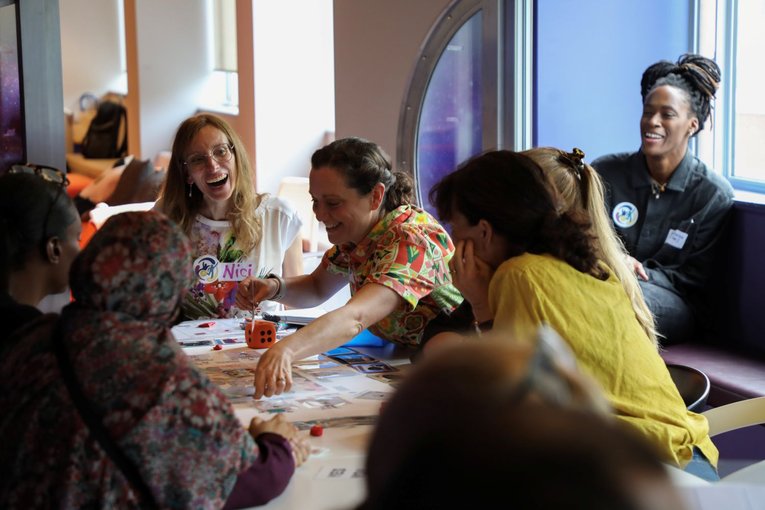
GOSH families at the heart of major £6m project to improve support for children with complex needs
Children, young people and families from GOSH will help shape a major new research programme
Thousands join world-first trial to save lives of critically ill children
Some of the sickest children in the UK have started to join an innovative clinical trial designed to improve the survival and recovery of children requiring intensive care treatment, led by GOSH.

GOSH surgeon receives prestigious international award
Professor Paolo De Coppi, Consultant Paediatric Surgeon at Great Ormond Street Hospital (GOSH), has been recognised as an Honorary Fellow of the American College of Surgeons (ACS), one of the most prestigious honours in global surgery.