https://www.gosh.nhs.uk/news/children-with-rare-genetic-disease-get-world-first-treatment-to-save-sight/
Children with rare genetic disease get world-first treatment to save sight
10 Jan 2022, 10 a.m.

Clinicians at Great Ormond Street Hospital (GOSH) and UCL GOS Institute of Child Health (ICH) are the first in the world to test a treatment that could prevent blindness in children with the rare and fatal genetic disorder, CLN2 type Batten disease.
What is CLN2 type Batten disease (CLN2)?
CLN2 disease is a rare degenerative genetic disorder affecting 30-50 children in the UK. It first causes seizures, then gradual decline in a child's ability to walk, speak and see, alongside progressive dementia. The life expectancy for a child with this disease without treatment is 10-12 years old.
It is caused by a change in a gene that is responsible for making a specific enzyme in the nervous system. For the past two years enzyme replacement therapy has been used which helps prevent neurological deterioration in children with CLN2 disease. The drug, called Brineura, was first approved for use on the NHS in 2019 and is administered directly into the brain by a regular infusion. It has been shown to restore enzyme activity and slow the onset of disability.
However, this infusion into the brain does not prevent children going blind, as the enzyme cannot cross the blood-retina barrier. This means that the nerves in the eye cannot function and vision is lost.
World-first treatments
Now, clinicians and researchers at GOSH and ICH are trying a treatment to prevent blindness in children with CLN2 Batten disease. To do this they are using the tiny amount of the drug leftover from the brain infusion and injecting it directly into the back of the eye. The treatment, which is being given on a compassionate use basis, hopes to prevent eyesight deterioration in children by providing the enzyme that the nerves in the back of the eye need to function.
The eye injection is a quick and common procedure, and the treatment is being given to a small number of patients who have been rigorously chosen by the clinical teams. Those who are receiving the treatment are being carefully monitored by the clinicians to check for any side effects. At this early stage, clinicians are treating just one eye every two months, and after a year they will compare the difference in vision between the two eyes.
Treatments given under compassionate use are always subject to very rigorous assessment and at GOSH we have a long history of pioneering these carefully-considered treatments for children who have no other option. If successful, we hope our work on this programme can pave the way to saving the sight of more children with this disease to preserve their quality of life for as long as possible.
It is hoped that this pioneering programme will help the tens of children globally who have CLN2.
Transforming lives
This programme has the potential to transform the quality of life for children living with CLN2 Batten disease. It has been made possible thanks to a huge fundraising campaign led by the families of children affected by the disease and the Battens Disease Family Association (BDFA). Together they have raised over £200,000, with the hope it can change the lives of others.
The multi-disciplinary team at GOSH has been working hard to find a way to try to treat this and it’s only been possible thanks to the fundraising and tireless work of the patients’ families.
For eight-year-old Kavyansh, the enzyme replacement therapy at GOSH has aready helped stabilise his condition, however his eyesight continues to deteriorate and has made him lose confidence – now the new treatment has provided a chance to save the little sight Kavy has left.

Kavy
Like so many other families of children with this awful disease, we knew we had to do everything we could and we worked closely with the clinical team at GOSH and help get this programme underway. We feel extremely lucky that Kavy has some chance to keep the little sight he has left, it means everything for us.
Hope for the future
For the Carroll family, this treatment could make a big difference to their daughter, Amelia's life. Both their daughter, Amelia, 8, and their son, Ollie, 10, have the disease and although it is too late to save Ollie’s sight, there is still hope for Amelia.
We have watched our son Ollie go blind, and now the same is starting to happen to Amelia. But we have been given this chance, this hope. To save a child's sight would be incredible, and make such a big difference to Amelia’s quality of life.

Amelia
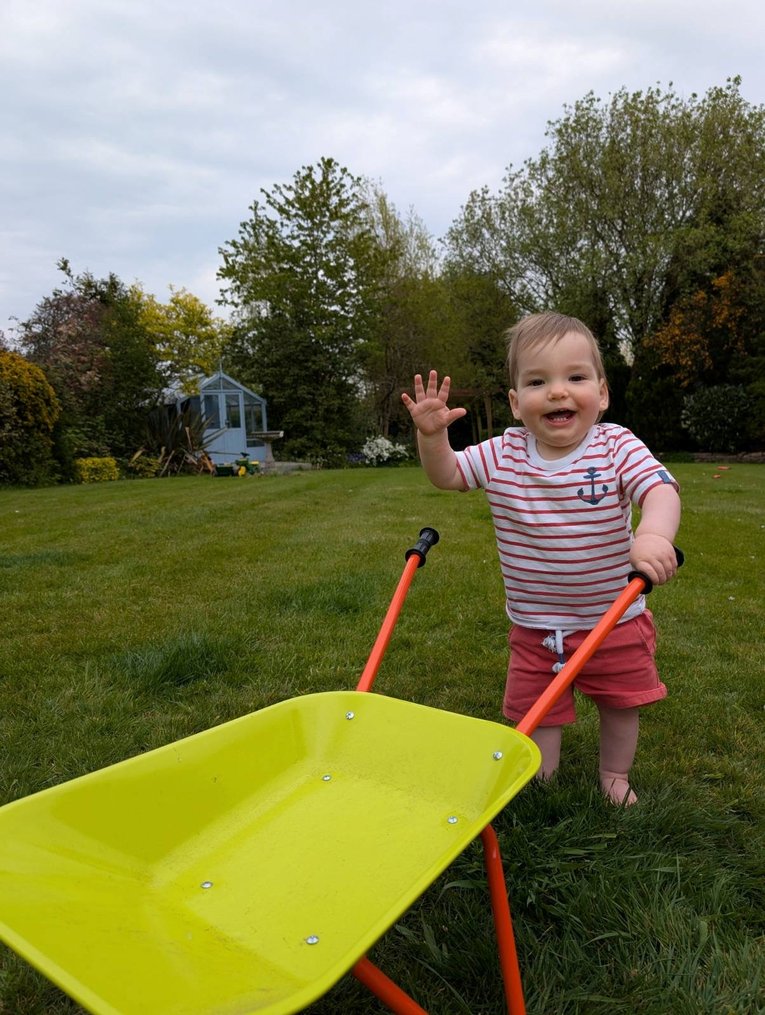
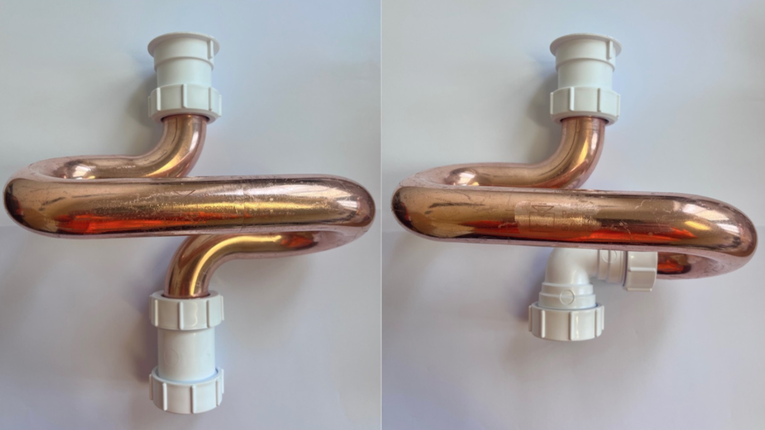
From staff idea to global innovation: Taking the next step towards improving patient safety
A simple idea developed by a GOSH clinician has secured a commercial partner.
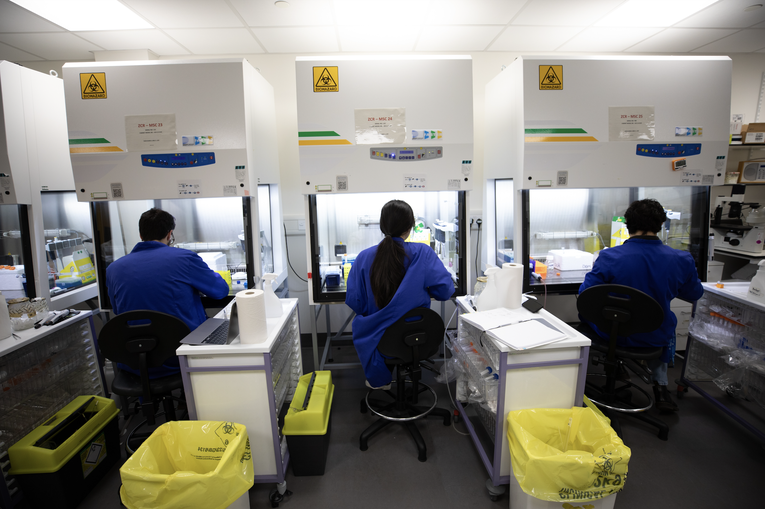
Four research projects receive funding to improve understanding and treatment of childhood cancer
Researchers at Great Ormond Street Hospital (GOSH) and UCL Great Ormond Street Institute of Child Health (UCL GOS ICH) have received funding from The Little Princess Trust for four childhood cancer research projects.
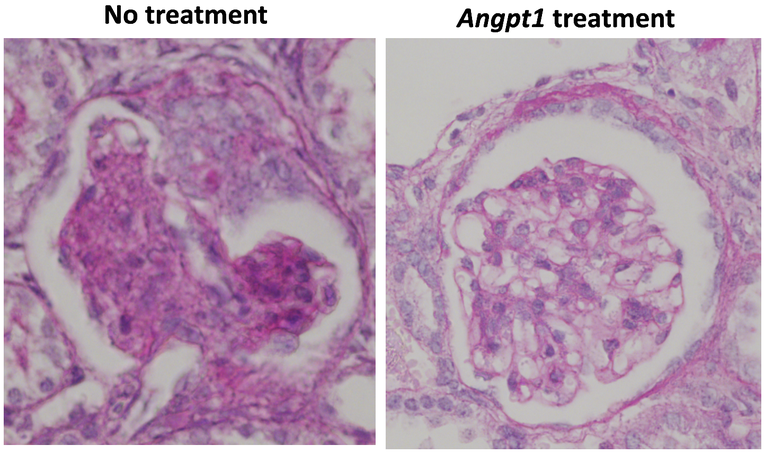
New study brings hope for children with rare life-threatening kidney disease
New research funded by Great Ormond Street Hospital Charity (GOSH Charity), LifeArc and Kidney Research UK has taken an important step towards developing a new treatment for serious genetic kidney diseases affecting children.